
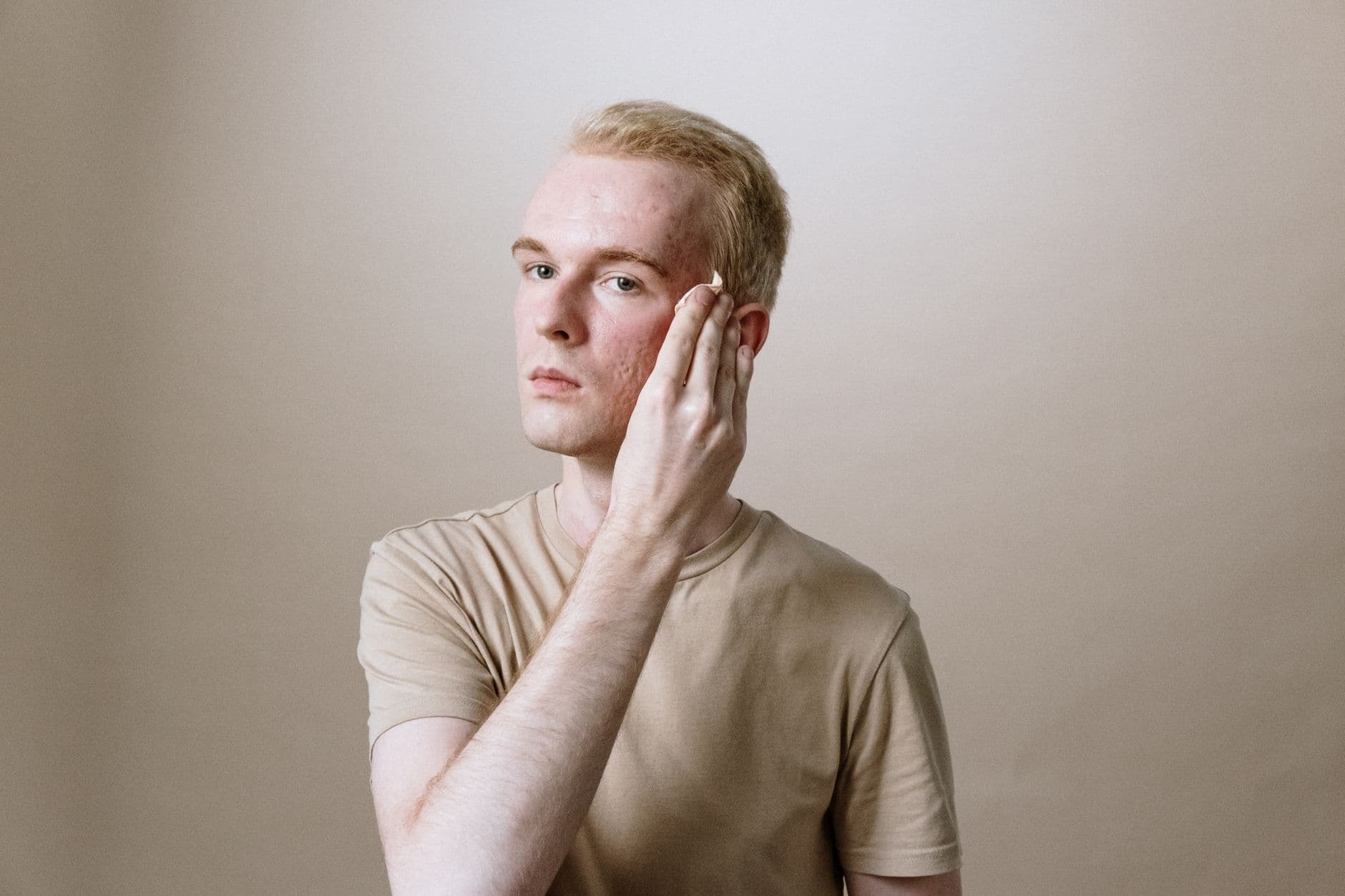
Watching your teenage child struggle with sudden breakouts is stressful for any parent. In a busy city like Pune, teenagers face demanding school routines, entrance exams, and shifting sleep patterns. The sudden arrival of pubertal acne often brings intense self-consciousness. Many adolescents start to avoid social gatherings, hesitate to speak up in class, or spend hours looking anxiously in the mirror.
When breakouts appear, many well-meaning parents assume that poor hygiene is to blame. They may tell their child to wash their face more often. They might buy harsh antiseptic soaps or switch products every few weeks. When the skin does not improve, frustration grows at home. The teenager often feels blamed for a condition they cannot control. In truth, acne is not caused by poor cleanliness. It is an inflammatory medical condition that starts deep within the pores due to natural pubertal changes.
Viewing acne as a medical concern changes how families handle it. It replaces guilt with calm, structured support. When looking for teenage acne treatment in Pune, parents need accurate medical information rather than quick internet remedies. Getting early clinical guidance helps protect your teenager's emotional well-being. It also prevents lasting skin complications, such as stubborn dark marks and atrophic scars.
The Biology of Pubertal Acne: Hormones, Sebum, and Inflammation
To support your teenager, it helps to understand what happens beneath the skin surface. Adolescent acne starts with natural hormonal shifts. During puberty, the body produces higher levels of androgen hormones. These hormones signal the sebaceous glands to grow and produce more sebum, which is the skin's natural oil.
In healthy skin, sebum travels up the pore and keeps the outer skin flexible. During puberty, however, dead skin cells shed abnormally. This process is called follicular hyperkeratinisation. Instead of shedding away smoothly, the dead cells clump together with sticky sebum. Together, they create a small plug inside the pore. This plug forms a blackhead if the pore stays open to the air, or a whitehead if the pore stays closed beneath the surface.
When a pore is blocked, oxygen cannot enter easily. Normal skin bacteria thrive in this low-oxygen space. The bacteria feed on the trapped oil and trigger an immune reaction. The surrounding tissue becomes swollen, red, and tender.
This reaction turns simple clogged pores into red bumps and pus-filled pimples. If the pressure builds up too much, the pore wall can break open under the skin. When this happens, inflammation spreads into the deeper layers of tissue, creating painful cysts and nodules. Because these events happen deep inside the skin, surface scrubbing and frequent face washing cannot resolve the underlying issue.
The Dangers of Internet Skincare Trends and Harsh Scrubs
When teenagers get sudden breakouts before school events or family gatherings, they often seek quick answers online. Social media apps are filled with advice recommending intense scrubs, strong chemical peels, and DIY home treatments. Adolescent facial skin is delicate. Following unregulated online trends often strips the skin barrier and makes breakouts much worse.
Physical face scrubs are a frequent problem. Many products contain abrasive particles or plastic microbeads. Scrubbing the face with microbead exfoliants creates tiny tears across the skin barrier (How To Tell if Your Skin Barrier Is Damaged and What To Do About It). These micro-tears weaken natural skin defences. They let irritants penetrate deeper and can break open active blemishes, spreading irritation across the face.
Viral cleansing fads also cause significant harm. For example, some online trends urge people to massage cleansers into the face for at least a full minute. Dermatologists note that cleansing for a full minute under this 60-second rule offers no extra benefit and can actually damage the skin barrier (How To Tell if Your Skin Barrier Is Damaged and What To Do About It).
Many teenagers also skip moisturiser because they worry that lotions make oily skin greasier. They often replace gentle care with harsh, drying soaps. Using harsh chemicals or soaps, scrubbing the face, and skipping moisturiser all break down the skin barrier and impair its normal function (How To Tell if Your Skin Barrier Is Damaged and What To Do About It). When the barrier is compromised, the skin loses water quickly and becomes red, raw, and tight. This constant irritation fuels further inflammation and worsens existing acne.
Establishing a Simple, Barrier-Safe Daily Routine
Adolescents are most consistent with daily habits that are quick and easy. Complex multi-step regimens often lead to skipped days and increased frustration. Parents can guide their teenager toward a simple three-step daily routine that supports the skin barrier:
- Gentle Cleansing: Wash the face with warm water using a mild, soap-free cleanser formulated for sensitive skin and free of fragrance (How To Tell if Your Skin Barrier Is Damaged and What To Do About It). Prolonged rubbing or aggressive scrubbing offers no benefit and can damage the barrier (How To Tell if Your Skin Barrier Is Damaged and What To Do About It).
- Barrier Nourishment: Even oily and acne-prone skin needs proper moisture. Applying a daily moisturiser with ceramides, fatty acids, and lipids nourishes the skin, helps rebuild the skin barrier, and keeps it healthy (How To Tell if Your Skin Barrier Is Damaged and What To Do About It).
- Sun Protection: Wearing sunscreen every day is one of the most important ways to protect your skin (How To Tell if Your Skin Barrier Is Damaged and What To Do About It). Daily sun protection prevents ultraviolet rays from darkening post-acne marks into stubborn brown patches.
Encourage your teenager to treat their skin with gentle care. Remind them never to pop, squeeze, or pick at active spots. Squeezing forces inflammation deeper into the tissue, damages surrounding collagen, and sharply increases the risk of atrophic scarring.
When to Seek Clinical Teenage Acne Treatment in Pune
A gentle home routine is the foundation of skin care, but it cannot treat moderate to severe acne on its own. Waiting for an adolescent to outgrow breakouts is a common mistake. Severe inflammation can cause lasting skin damage within just a few months. Knowing when to see a qualified doctor helps protect your child's skin.
Parents should book a clinical consultation if they notice any of these signs:
- Deep, painful lumps or cysts beneath the surface of the skin that feel hard and tender to the touch.
- Breakouts that show no improvement after four to six weeks of gentle, consistent home care.
- Acne lesions that heal by leaving behind pitted textures or dark brown pigment marks.
- Breakouts that spread across the jawline, neck, chest, shoulders, or back.
- Signs of emotional strain, such as missing school events, avoiding friends, or expressing anxiety about facial appearance.
An early consultation with an MD dermatologist provides a clear medical diagnosis. Clinical care targets bacteria and follicular inflammation deep inside the pore. This stops active lesions before tissue destruction occurs. For older teenagers who struggle with unwanted facial hair or ingrown hairs that worsen breakouts, dermatologists can also coordinate medical acne care with laser hair removal planned safely for Indian skin tones.
Understanding Clinical Approaches to Acne Scars in Indian Skin
When deep inflammation destroys dermal tissue, the skin heals by forming atrophic (depressed) scars. For parents reviewing clinical options, learning basic medical terms helps explain why different scar patterns require distinct treatments. This is especially true for Indian skin tones, which fall into Fitzpatrick skin types IV to VI.
Depressed acne scars fall into distinct morphological categories, and each shape requires a tailored approach:
- Rolling Scars: These appear as broad, shallow dips with soft edges. They happen when fibrotic bands anchor the upper skin down toward deeper tissue. Dermatologists use subcision to release these tethering fibrotic strands from the subcutaneous layer, allowing the depressed scar to lift, though complications like haematoma can occur (Standard guidelines of care for acne surgery).
- Ice Pick and Boxcar Scars: Ice pick scars are deep, narrow pits, while boxcar scars have distinct vertical walls. Punch excision techniques, such as punch excision and closure, punch elevation, or full-thickness punch grafting, are standard procedural options for depressed ice pick and boxcar scars (Standard guidelines of care for acne surgery).
- TCA CROSS: For deep ice pick scars, dermatologists may use the TCA CROSS technique (Standard guidelines of care for acne surgery). In this procedure, 95% trichloroacetic acid is applied directly to the ice pick scar and pressed against the floor of the scar for one full minute (Standard guidelines of care for acne surgery). This produces necrosis of the scar floor, which heals and results in elevation of the scar base (Standard guidelines of care for acne surgery).
Clinical treatments on Indian skin tones require careful planning because darker skin produces melanin easily in response to heat or chemical injury. For example, medium-depth and deep phenol peels carry a significant risk of prolonged pigmentary changes, which is why they are not recommended for Fitzpatrick skin types IV through VI (Standard guidelines of care for acne surgery). Similarly, full-face ablative laser resurfacing in darker skin types carries a heightened risk of postoperative hyperpigmentation that can persist for several weeks (Standard guidelines of care for acne surgery).
Because of these pigment risks, acne scar treatment should never rely on aggressive internet trends or unverified salon procedures. Safe tissue remodelling requires a thoughtful, staged clinical plan designed by an experienced medical dermatologist.
Taking a Proactive Step for Your Teen's Skin Health
Guiding a teenager through pubertal acne takes patience, empathy, and sound medical guidance. Moving away from abrasive scrubs and viral internet hacks helps protect your teenager's skin barrier from unnecessary damage. A gentle daily routine combined with timely clinical care provides a sound, gentle way to manage breakouts and protect long-term self-esteem.
Rather than relying on unguided trial and error, consulting an MD dermatologist gives your child a treatment plan built around their skin type. Skin Essence in Kalyani Nagar, Pune provides medical acne treatment and procedures for acne scars, planning every care pathway around the patient's individual skin type and goals rather than relying on a fixed chart.
Whether your teenager is experiencing early breakouts or struggling with persistent post-acne marks, clinical care stops inflammation early and protects long-term skin health. Families in Kalyani Nagar, Pune and neighbouring areas can take a positive, proactive step by seeking clinical acne care before temporary breakouts become lasting scars.
Frequently asked questions
Does washing the face more often treat teenage acne?
No. Acne is an inflammatory medical condition that starts deep in the pores due to hormones and trapped oil, not poor hygiene. Excessive washing and scrubbing can actually damage the skin barrier and worsen inflammation.
When should parents consult a doctor for adolescent breakouts?
A clinical consultation is recommended if acne causes deep or tender cysts, fails to improve after four to six weeks of gentle care, leaves dark marks or pitted scars, spreads across the body, or causes emotional distress.
Why do acne scar treatments require extra caution on Indian skin tones?
Indian skin types produce melanin readily after heat or chemical trauma. Aggressive procedures like deep phenol peels or full-face ablative lasers carry a higher risk of prolonged or postoperative hyperpigmentation.
This information is general and not a substitute for a consultation. Results vary from person to person.