
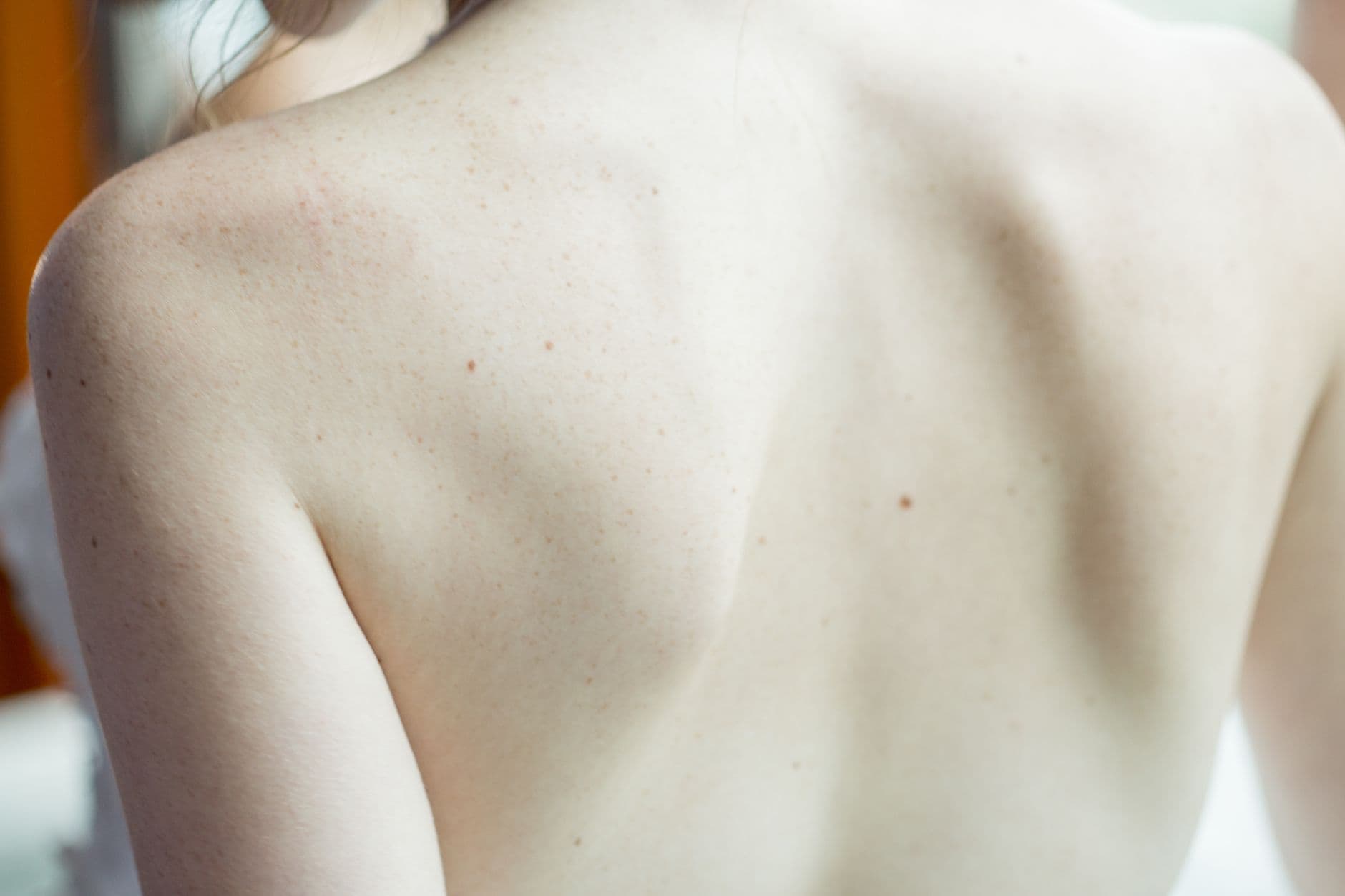
Many active women and men in Pune struggle with stubborn breakouts across the shoulders, back, and chest. Warm weather, intense gym workouts, and daily travel across the city often cause severe flare-ups. Body skin is thicker than facial skin. It also has many oil glands and hair follicles that face constant heat, sweat, and fabric friction. Because of these factors, seeking effective back acne treatment in Pune is a common goal for people who want clear, comfortable skin.
When red bumps appear on the body, many people try scrubbing them with rough loofahs or strong body washes. However, aggressive scrubbing can irritate trunk skin. Hair follicles can become damaged when skin is left hot and damp, or when tight clothes rub against it (Fungal acne: Malassezia Folliculitis, Pityrosporum Folliculitis). In addition, many body breakouts that look like common pimples are not driven by regular acne.
Clearing body breakouts requires moving beyond random drugstore products. An accurate dermatological assessment helps identify the real cause of your bumps. Once a doctor determines whether your breakouts stem from friction, bacteria, or yeast overgrowth, you can start a clinical plan designed safely for Indian skin tones.
Understanding Trunk Breakouts: Sweat, Friction, and Activewear
Regular exercise, tight athletic wear, and warm weather often lead to a condition known as acne mechanica. You get this type of acne when sports equipment or clothing traps heat and sweat on your skin (Is sports equipment causing your acne?). As gear or clothing rubs against heated skin, the surface becomes irritated (Is sports equipment causing your acne?). For people with acne-prone skin, this irritation triggers fresh breakouts (Is sports equipment causing your acne?).
Friction-related breakouts often develop through clear stages:
- Early rough texture: The first sign of acne mechanica is small, rough-feeling bumps that you can feel more easily than see (Is sports equipment causing your acne?).
- Follicular irritation: Continuous rubbing from tight straps, sports tops, and athletic apparel irritates pores across the upper body.
- Progression of lesions: If you continue to wear tight gear without taking precautions, these small, rough bumps can turn into pimples or deeper cysts (Is sports equipment causing your acne?).
Tight garments also encourage folliculitis through friction, occlusion, and maceration (Bacterial Folliculitis — DermNet). In addition, hair follicles may become damaged from skin rubbing against skin, wearing tight clothes, or leaving skin hot and damp (Fungal acne: Malassezia Folliculitis, Pityrosporum Folliculitis).
Acne Vulgaris vs Pityrosporum Folliculitis: Spotting the Difference
Many people find that their back breakouts do not respond to common acne washes. This often happens because two distinct conditions look very similar on the upper body. Common acne happens when hair follicles get blocked with bacteria, oil, and dead skin (Fungal acne: Malassezia Folliculitis, Pityrosporum Folliculitis). In contrast, fungal acne is a fungal infection in hair follicles (Fungal acne: Malassezia Folliculitis, Pityrosporum Folliculitis).
Dermatologists look for several key clinical clues to tell them apart:
- Itching sensations: The main difference between the two conditions is that fungal acne can be itchy, while acne vulgaris is not (Fungal acne: Malassezia Folliculitis, Pityrosporum Folliculitis).
- Bump appearance: Fungal acne causes a sudden breakout of small pimples that form in clusters and look similar in size and appearance (Fungal acne: Malassezia Folliculitis, Pityrosporum Folliculitis). In contrast, true acne vulgaris often presents with a varied mix of blackheads, whiteheads, and inflamed pimples.
- Common locations: Fungal acne blemishes can appear anywhere, but they are most common on the chest, shoulders, neck, upper arms, and upper back (Fungal acne: Malassezia Folliculitis, Pityrosporum Folliculitis).
A dermatologist diagnoses Pityrosporum folliculitis by examining your skin, taking a sample to view under a microscope, or using a Wood's lamp to check for characteristic fluorescence (Fungal acne: Malassezia Folliculitis, Pityrosporum Folliculitis). Getting an accurate medical diagnosis ensures that you do not apply products that worsen fungal overgrowth.
Clinical Peels for Back Acne Treatment in Pune
When home products fail, in-clinic chemical peels provide an evidence-based option. Recommendations from the European Academy of Dermatology and Venereology support using chemical peels, mainly glycolic acid and salicylic acid, for acne, with trials showing favorable results (What's new in the management of acne?). In clinical care, indications for chemical peels include comedonal acne, mild-to-moderately severe acne vulgaris, post-acne pigmentation, and superficial acne scars (Standard guidelines of care for chemical peels).
Skin safety is essential for Indian skin tones, which fall into Fitzpatrick skin types IV through VI. Standard guidelines confirm that superficial peels are safe in Indian patients (Standard guidelines of care for chemical peels). However, medium-depth peels require great caution in dark-skinned individuals, and deep peels are not recommended for Indian skin due to the risk of lasting pigmentary alterations (Standard guidelines of care for chemical peels).
The Protocol for Salicylic Acid Peels
Salicylic acid peels at concentrations of 20% to 30% are classified as very superficial light peels (Standard guidelines of care for chemical peels). They produce cell necrosis limited to the level of the stratum corneum (Standard guidelines of care for chemical peels).
During the procedure, the doctor applies one to three coats of the peeling solution until it crystallizes into an even pseudo-frost (Standard guidelines of care for chemical peels). Once burning sensations subside after three to five minutes, the solution is washed off with water (Standard guidelines of care for chemical peels).
The Role of Skin Priming
Skin priming is essential for at least two to four weeks before a peel (Standard guidelines of care for chemical peels). Proper priming helps reduce wound healing time, facilitates uniform penetration of the peeling agent, detects intolerance to any agent, and reduces the risk of complications (Standard guidelines of care for chemical peels).
Managing Recurrent Follicular Breakouts with Laser Care
Coarse trunk hair can trap sweat, oil, and debris around follicles. This build-up makes recurrent irritation more likely. For bacterial folliculitis, repeated laser hair removal is listed as a recognized clinical treatment (Bacterial Folliculitis — DermNet).
When addressing post-acne marks and superficial scars, safety protocols must be followed carefully. Clinical research notes that procedures like fractional laser skin resurfacing carry risks of post-inflammatory hyperpigmentation in darker Indian skin tones (Fitzpatrick IV to VI) and must be handled with caution (What's new in the management of acne?).
Dermatologists manage these concerns in careful steps. Active, inflamed blemishes are treated first. Once active inflammation subsides, gentle laser toning protocols and acne scar treatments can be planned to help clear stubborn pigment and improve skin texture.
Daily Habits and Wardrobe Choices to Prevent Trunk Acne
Clinical treatments work best when supported by sound everyday habits. Simple adjustments to your fitness routine and clothing choices help keep pores clear and protect your skin barrier:
- Wear loose clothing: Trade tight workout clothes for loose-fitting ones to prevent heat and sweat from getting trapped against your skin (Is sports equipment causing your acne?).
- Choose moisture-wicking fabrics: Wear moisture-wicking clothes next to your skin during exercise (Is sports equipment causing your acne?). This fabric pulls sweat away from your body, reducing skin friction and irritation (Is sports equipment causing your acne?).
- Rinse after workouts: Wash soon after physical activity, as leaving skin hot and damp can damage hair follicles (Fungal acne: Malassezia Folliculitis, Pityrosporum Folliculitis).
- Address early bumps: Using an acne medication with salicylic acid helps unclog pores to clear acne mechanica (Is sports equipment causing your acne?). In addition, acne mechanica tends to clear more quickly than regular acne (Is sports equipment causing your acne?).
Consulting a Dermatologist for Back Acne Treatment in Pune
Persistent back breakouts are rarely caused by poor hygiene alone. Vigorous scrubbing and harsh products often make inflammation worse. Achieving clear skin requires an accurate diagnosis that separates friction breakouts, bacterial folliculitis, and fungal acne, followed by therapies matched to your skin type.
For women and men looking for back acne treatment in Pune, Skin Essence in Kalyani Nagar offers clinical dermatology care. Led by Dr. Daksha Patel, MBBS, MD (Skin & VD), a dermatologist and cosmetologist with extensive clinical experience, the clinic creates individual plans for each patient's skin type and concerns. Treatment options include medical acne care, superficial peels, laser hair reduction, and acne scar procedures.
If stubborn trunk breakouts or marks are affecting your daily comfort, consult an MD dermatologist in Kalyani Nagar, Pune to begin an effective medical plan.
Frequently asked questions
What is the difference between regular back acne and fungal acne?
Regular acne vulgaris occurs when hair follicles are blocked by bacteria, oil, and dead skin, while fungal acne is a fungal infection in the follicles. Fungal acne is typically itchy, presents as uniform clusters of small pimples, and commonly appears on the upper back, shoulders, and chest.
Are chemical peels safe for Indian skin tones on the back?
Yes, superficial peels like 20% to 30% salicylic acid peels are considered safe for Indian skin (Fitzpatrick types IV to VI). However, medium-depth peels require caution and deep peels are avoided due to the risk of long-term pigmentary changes.
Can workouts and tight gym clothes cause back acne?
Yes, tight athletic wear and sports gear trap heat and sweat while rubbing against warm skin, causing a condition called acne mechanica. Friction, occlusion, and moisture can damage follicles and trigger red bumps or deeper pimples.
How does laser hair removal help recurrent trunk breakouts?
Coarse body hair can trap sweat, oil, and debris around pores. Repeated laser hair removal is a recognized medical option to help manage recurrent bacterial folliculitis.