
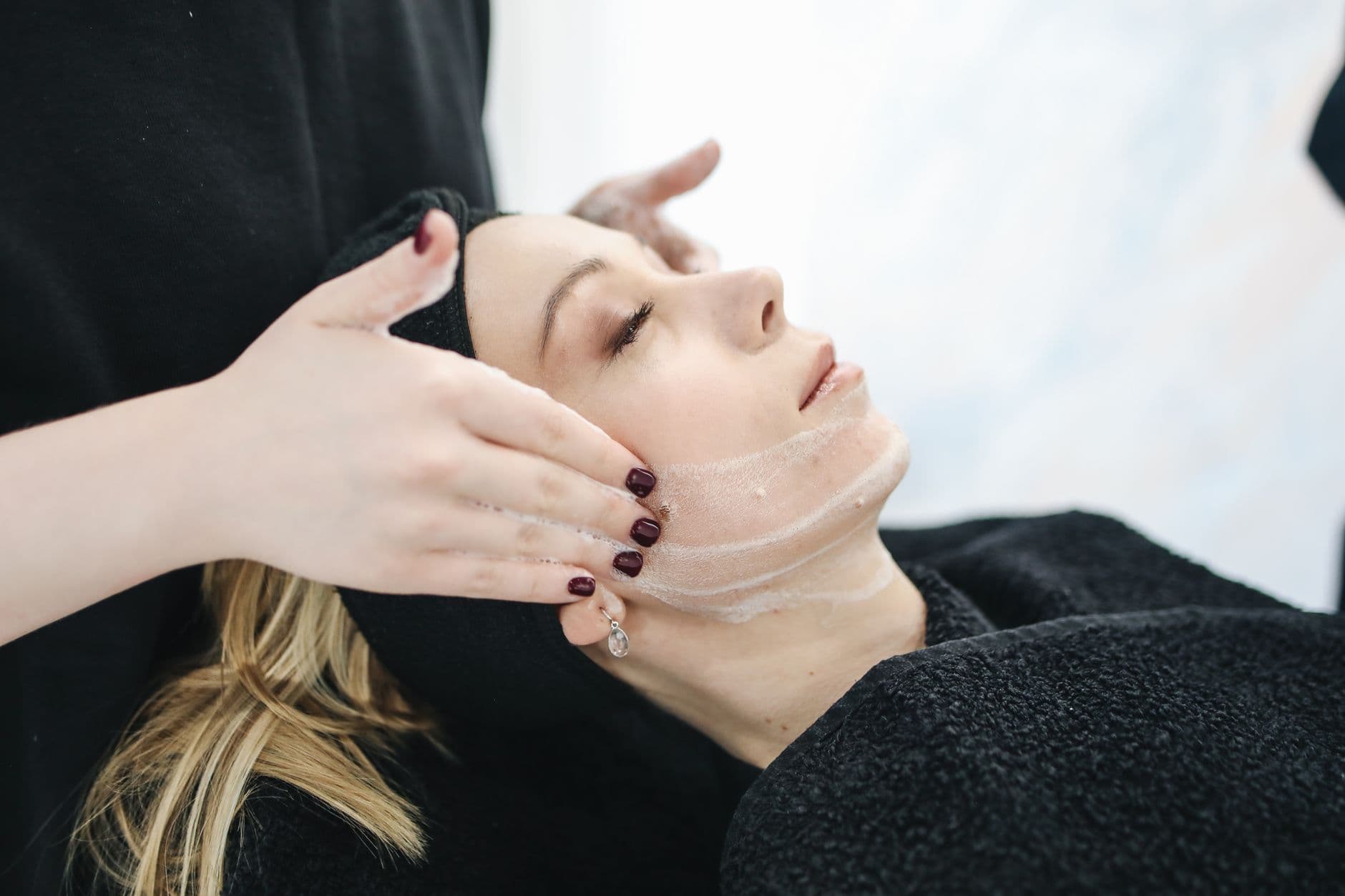
Many women and men in Pune visit a local beauty parlour before weddings, festivals, or family functions. In neighbourhoods like Kalyani Nagar, Viman Nagar, and Koregaon Park, salon facials are a common routine. Yet many people notice a frustrating pattern. The facial gives an immediate sheen for a day or two. Soon after, small bumps, clogged pores, or sudden dullness appear.
The difference between parlour promises and real results comes down to skin biology. Beauty parlours rely on manual massage, warm steam, and heavy creams. These steps temporarily swell the surface layer of the skin. In contrast, clinical skin glow treatments work under dermatological supervision. They focus on cellular renewal, barrier health, and controlled dermal stimulation.
Indian skin tones need special care. Most people in Pune have melanin-rich skin that reacts quickly to heat, friction, and harsh ingredients. Before choosing between a parlour facial and a clinic visit, it helps to compare how each option works. This guide examines their biological mechanisms, safety for Indian skin, and how long the results truly last.
Clinical Skin Glow Treatments vs Salon Facials: Biological Mechanisms
To see why parlour facials fade quickly, look at the outer skin layer, known as the stratum corneum. A salon facial relies on vigorous hand massage, steam, and thick cosmetic creams. This routine pushes water and mineral oils into dead surface cells. The skin swells slightly, reflecting light and creating a short-lived sheen. Once the creams wash away, that temporary brightness vanishes.
Chemical peels take a completely different approach. In dermatology, a peel involves applying a chemical agent to the skin to cause controlled destruction of epidermal layers, with or without dermal involvement (Chemical Peels for Melasma in Dark-Skinned Patients). This process leads to exfoliation and the regeneration of new tissue (Chemical Peels for Melasma in Dark-Skinned Patients). The applied chemical solution causes controlled trauma to the skin layers before peeling away to expose fresh skin (Chemical Peels: Types of Peels, Conditions Treated, What to Expect).
Dermatologists select specific peeling agents to target distinct layers of the skin:
- Alpha hydroxy acids, such as glycolic acid, decrease cohesion between corneocytes (Comparative study of trichloroacetic acid versus glycolic acid chem…). This allows dead cells to shed naturally while stimulating new cell growth in the basal layer (Comparative study of trichloroacetic acid versus glycolic acid chem…).
- Chemical peels produce a controlled burn of the epidermis or dermis, leading to epidermal resurfacing, collagen and elastic fibre remodelling, and the deposition of glycosaminoglycans (Comparative study of trichloroacetic acid versus glycolic acid chem…).
- Stronger medical agents like trichloroacetic acid precipitate cutaneous proteins and cause coagulative cell necrosis before the skin re-epithelialises from hair follicles (Comparative study of trichloroacetic acid versus glycolic acid chem…).
These biological pathways allow peels to renew the epidermal surface and remodel dermal fibres, rather than simply coating the surface (Comparative study of trichloroacetic acid versus glycolic acid chem…). Dermatologists also use peels to treat signs of ageing, uneven colour, and specific forms of acne (Chemical peels: Overview).
Pore Congestion and Acne Flare-Ups: Why Parlour Facials Trigger Breakouts
Post-facial breakouts are one of the most common complaints after a beauty parlour visit. Salon staff often call this a normal 'purging' or 'detox' process. In reality, it is a direct reaction to heavy products and excessive heat. Most parlour massage creams contain mineral waxes, heavy oils, and strong synthetic fragrances. These ingredients provide slip for hand massage, but they readily block pores.
During a facial, parlour staff often direct hot steam onto the face. When hot steam combines with heavy creams and friction, the skin softens and traps oils, bacteria, and cosmetic residues inside the pores. Within a day or two, this trapped debris triggers acute inflammation in the follicles. Patients frequently develop tender pustules, whiteheads, or folliculitis across their cheeks, forehead, and jawline.
In a medical clinic, treatments use regulated, non-comedogenic formulations that protect the skin barrier. The US Food and Drug Administration (FDA) advises using chemical peels only under the supervision of trained, licensed professionals like dermatologists to avoid severe skin injury (Chemical peels: Overview). Dermatologists routinely use medical peels to treat specific types of acne and conditions that discolour the skin (Chemical peels: Overview). Because clinical solutions do not rely on heavy massage waxes, they do not leave pore-clogging residues behind.
Medical glow therapies can also form part of comprehensive plans for acne treatment and acne scar treatment. If a patient arrives with active pimples, a dermatologist does not apply heavy oils or aggressive friction. Instead, the doctor selects gentle exfoliating agents that clear follicular blockages, calm inflammation, and restore clarity safely.
Safety for Indian Skin: Managing Hyperpigmentation and Peel Depth
Most Indian skin falls into Fitzpatrick phototypes IV to VI. Darker skin tones face an increased risk of post-inflammatory hyperpigmentation following procedures like chemical peels (Chemical Peels for Melasma in Dark-Skinned Patients, Chemical Peels: Types of Peels, Conditions Treated, What to Expect). This higher risk stems from an altered response to cutaneous injury driven by increased melanocyte activity (Chemical Peels for Melasma in Dark-Skinned Patients).
In parlour settings, staff frequently use unmonitored bleaching agents, coarse apricot or walnut scrubs, and high heat. These aggressive steps can inflame reactive melanocytes. The inflamed cells produce excess melanin, creating patchy dark marks that take significant time to fade. In a dermatology clinic, managing peel depth protects melanin-rich skin from these complications:
- Deep chemical peels are avoided in darker skin phototypes because of the risk of prolonged hyperpigmentation (Chemical Peels for Melasma in Dark-Skinned Patients, Chemical Peels: Types of Peels, Conditions Treated, What to Expect).
- Medium-depth peels require extreme caution, while trichloroacetic acid (TCA) is less preferred in dark skin because clinical frosting is hard to assess, raising the risk of scarring and dyschromia (Chemical Peels for Melasma in Dark-Skinned Patients).
- Patients with darker skin tones may be advised to choose less aggressive treatments over deep peels to reduce the risk of hyperpigmentation (Chemical Peels: Types of Peels, Conditions Treated, What to Expect).
- In a study of Indian melasma patients, glycolic acid peels provided facial rejuvenation without post-peel crackening, whereas 35% of patients treated with TCA peels developed crackening (Comparative study of trichloroacetic acid versus glycolic acid chem…).
Dermatologists also protect Indian skin through structured pre-peel priming. Priming the skin for two weeks prior to a peel with agents like hydroquinone, tretinoin, or glycolic acid facilitates uniform peel penetration, speeds healing, and reduces post-inflammatory hyperpigmentation (Chemical Peels for Melasma in Dark-Skinned Patients). In a clinical study of 40 Indian women with phototypes IV to VI, a nightly 12% glycolic acid cream for two weeks combined with regular sunscreen avoided major post-peel hyperpigmentation (Comparative study of trichloroacetic acid versus glycolic acid chem…). Beauty parlours do not offer these essential medical preparations.
Advanced Clinical Radiance: Laser Toning and Multi-Modal Treatments
Some patients prefer not to undergo chemical peeling. In these cases, dermatologists offer advanced energy-based treatments like laser toning. Parlour facials rely on physical massage to increase local blood flow, which fades within hours. In contrast, laser toning uses optical energy to address excess pigment without mechanical friction.
Laser toning employs a low-fluence, multipass 1064-nm Q-switched Nd:YAG laser (Laser Toning in Melasma). Using subcellular selective photothermolysis, this laser destroys melanosomes and melanin granules while leaving melanocyte cell membranes and nuclei intact (Laser Toning in Melasma). The laser causes dendrectomy by shortening the dendritic arms of hyperactive melanocytes and functionally downregulates pigment-producing proteins without causing melanocyte cell death (Laser Toning in Melasma). Typical procedural parameters include a 6 to 10 mm spot size, a fluence of 0.8 to 2 J/cm², and multiple passes until mild redness appears (Laser Toning in Melasma).
Safety protocols remain vital for Indian skin tones. The Indian Pigmentary Expert Group outlines a clear treatment hierarchy: topical therapies and sunscreens serve as first-line measures, chemical peels act as second-line therapy, and lasers represent third-line options for stubborn cases (Laser Toning in Melasma). In addition, laser toning in Indian skin should be scheduled once every 15 days rather than weekly to lower the risk of mottled hypopigmentation (Laser Toning in Melasma).
Clinical glow care also pairs cleanly with Laser Hair Reduction. In beauty parlours, facials often follow threading or waxing. Threading and hot wax strip the epidermal barrier, cause micro-tears, and frequently trigger folliculitis or dark marks. By contrast, medical Laser Hair Reduction planned for Indian skin tones targets unwanted hair at the root. Women and men can maintain smooth facial skin without the repeated trauma of parlour hair removal.
Longevity and Occasion Planning: Parlour Glow vs Dermatological Protocols
When planning for a major event in Pune, understanding how long results last is crucial. The primary difference between salon facials and clinical treatments lies in the durability of the visible improvement.
A parlour facial offers only an ephemeral glow. The surface sheen and plumping usually peak on the same day. Over the next day or two, normal washing and daily oil production return the skin to its baseline condition. Often, the skin feels greasier or looks duller than before.
Clinical treatments provide progressive, cumulative benefits. In research on Indian melasma patients, 75% of participants treated with glycolic acid peels noted significant improvements in skin texture and glow (Comparative study of trichloroacetic acid versus glycolic acid chem…). Because medical peels stimulate basal cell renewal and dermal collagen remodelling (Comparative study of trichloroacetic acid versus glycolic acid chem…), the skin looks clearer and smoother over an extended period.
For brides, grooms, and guests preparing for celebrations in Pune, careful timing ensures the best outcome:
- Consult a dermatologist six to eight weeks before your event to assess your skin barrier and discuss suitable options.
- Prepare the skin with a two-week topical priming routine to support uniform penetration and reduce the risk of post-inflammatory hyperpigmentation (Chemical Peels for Melasma in Dark-Skinned Patients).
- When undergoing laser toning, space sessions at 15-day intervals rather than weekly to reduce the risk of mottled hypopigmentation (Laser Toning in Melasma).
- Schedule your final gentle glow peel or polishing session seven to ten days before the event. This window allows complete recovery and reveals natural, balanced radiance.
Choosing Science-Led Skin Health in Kalyani Nagar, Pune
The choice between parlour facials and clinical treatments reflects two distinct approaches to skincare. Salon facials provide temporary relaxation and a fleeting surface sheen, but they carry real risks of pore congestion, breakouts, and friction-induced marks. Clinical treatments rely on dermatological science to promote genuine cellular renewal, refine texture, and protect melanin-rich skin.
Because Indian skin requires precise depth control and pigment safety, consulting an MD dermatologist is far safer than booking generic parlour packages. A medical specialist evaluates your unique skin type, barrier health, acne history, and pigmentation tendencies before recommending any procedure.
At Skin Essence in Kalyani Nagar, Pune, clinical treatments are led by Dr. Daksha Patel, MBBS, MD (Skin & VD), an experienced dermatologist and cosmetologist. Every treatment plan is customised around the patient's individual skin type and goals, rather than read from a fixed parlour menu. Whether you are considering gentle signature peels, laser toning, targeted acne and acne scar treatment, or medical Laser Hair Reduction, clinical care provides safe, durable radiance grounded in medical dermatology.
Frequently asked questions
Why do salon facials often cause breakouts or bumps?
Salon facials frequently use mineral waxes, heavy massage oils, and hot steam that trap cosmetic residue and bacteria inside pores. This heavy combination softens the skin and triggers acute follicular inflammation, resulting in post-facial pustules and whiteheads.
How does a clinical chemical peel differ from a beauty parlour facial?
Unlike parlour facials that simply swell surface cells with creams, a chemical peel causes controlled exfoliation of epidermal layers to stimulate basal cell turnover and collagen remodelling, delivering long-term structural renewal.
Are clinical skin glow treatments safe for Indian skin tones?
Yes, when performed under dermatological supervision. Dermatologists avoid deep peels on Fitzpatrick IV to VI skin types, use structured pre-peel priming, and carefully control peel depth or laser fluences to avoid post-inflammatory hyperpigmentation.
When should I schedule clinical glow treatments before an event in Pune?
It is best to consult a dermatologist six to eight weeks before your event to complete any pre-peel priming or laser sessions. Final gentle glow sessions should be scheduled seven to ten days before the event to ensure full skin recovery.