Uneven skin tone, patchy pigmentation, and stubborn dark spots are very common concerns in dermatology clinics across India. Melanin-rich skin tones naturally contain higher amounts of epidermal pigment. This provides some natural defense against sun-induced ageing. However, it also makes the skin sensitive to heat, friction, or superficial injury. When exposed to harsh thermal energy, Indian skin often reacts with post-inflammatory hyperpigmentation (PIH). A minor blemish or an aggressive cosmetic procedure can easily turn into a persistent dark patch.
For many years, traditional aesthetic treatments relied on aggressive resurfacing or high-intensity heat to strip away unwanted pigment. In darker phototypes, these ablative methods carry a real risk of rebound darkening. This can leave the complexion more uneven than before. Because of this risk, many people seeking pigmentation care in Pune look for gentle, non-thermal alternatives that do not peel or harm the skin.
Laser toning with a low-fluence Q-switched Nd:YAG laser offers an evidence-based method to treat deep pigment and melasma. Low-fluence toning delivers repetitive laser energy to fragment and disperse melanin granules at a subcellular level without causing cellular damage or cell death (A comparative study on efficacy of high and low fluence Q-switched…). Understanding how this gentle technology works helps you make informed choices when managing chronic skin discolouration.
The Biophysics of Low-Fluence Energy Delivery
Safe laser care for Indian skin requires precise targeting of pigment without injuring the surrounding tissue. In clinical practice, the treatment employs a 1064 nm Q-switched Nd:YAG laser to address melanin (A comparative study on efficacy of high and low fluence Q-switched…, Clinical applications of Q-switched NdYAG laser).
Using laser energy that penetrates deeply without injuring the top layer of skin, treatment targets the deeper layers (Clinical applications of Q-switched NdYAG laser). In conventional aesthetic settings, lasers deliver concentrated energy to heat and vaporise targets. In low-fluence laser toning, the clinical method is very different. Energy is delivered at sub-photothermolytic fluences, typically using wide spot sizes between 6 and 8 mm (A comparative study on efficacy of high and low fluence Q-switched…).
The procedure uses repetitive pulses at sub-photothermolytic fluences to break down pigment through a gentle subcellular process (A comparative study on efficacy of high and low fluence Q-switched…):
- Melanin granules are fragmented into tiny particles and dispersed into the surrounding cytoplasm (A comparative study on efficacy of high and low fluence Q-switched…).
- The total accumulative energy stays lower than the toxic dose that destroys living cells, keeping melanocytes alive and intact (A comparative study on efficacy of high and low fluence Q-switched…).
- This fragmentation acts as a biostimulation effect at the subcellular level, occurring without cell damage or death (A comparative study on efficacy of high and low fluence Q-switched…).
Because the laser does not burn or ablate the surface, the outer skin barrier stays healthy. The treatment works from within, keeping the skin surface calm while breaking up pigment beneath.
Why High-Fluence Settings Provoke Rebound Darkening
A common mistake in aesthetic skincare is assuming that higher laser energy creates faster results. When treating melanin-rich Indian skin, high-fluence lasers often produce unwanted side effects. The margin between safe pigment clearance and heat-induced injury is very narrow.
Wavelengths such as 532 nm, as well as conventional higher-fluence settings, are absorbed by both melanin and haemoglobin within superficial blood vessels (A comparative study on efficacy of high and low fluence Q-switched…). This interaction causes erythrocyte coagulation and photomechanical vessel damage, visible clinically as purpuric macules on the skin (A comparative study on efficacy of high and low fluence Q-switched…).
This vascular damage causes inflammation resulting in post-inflammatory hyperpigmentation, which is common in Asian skin, as well as non-response and rebound pigmentation (A comparative study on efficacy of high and low fluence Q-switched…).
A clinical study in Indian patients with melasma documented clear differences in safety outcomes between treatment protocols (A comparative study on efficacy of high and low fluence Q-switched…):
- Patients treated with high-fluence Q-switched laser protocols experienced post-inflammatory hyperpigmentation in 28.5% of cases (A comparative study on efficacy of high and low fluence Q-switched…).
- Mottled confetti-like hypopigmentation occurred in 23.8% of patients in the high-fluence group (A comparative study on efficacy of high and low fluence Q-switched…).
- In comparison, patients treated with low-fluence toning developed zero cases of post-inflammatory hyperpigmentation, and confetti-like hypopigmentation occurred in only a single patient (A comparative study on efficacy of high and low fluence Q-switched…).
These findings show why dermatologists avoid aggressive fluences on darker phototypes. Gentle, repetitive low-fluence passes help disperse unwanted pigment without setting off vascular injury or rebound darkening (A comparative study on efficacy of high and low fluence Q-switched…).
Dermal Conditions and Structural Concerns Addressed
By using laser energy that penetrates deeply without injuring the top layer of skin, the 1064 nm wavelength treats dermal conditions and stimulates natural collagen (Clinical applications of Q-switched NdYAG laser).
Deep Dermal Dyschromias and Birthmarks
Superficial treatments like mild chemical exfoliants cannot reach pigment trapped deep inside the dermis. The 1064 nm Q-switched laser is effective for deep dermal pigmented lesions, such as Nevus of Ota, Nevus of Ito, Mongolian spots, Hori's nevus, and acquired bilateral nevus of Ota-like macules (ABNOMs) (Clinical applications of Q-switched NdYAG laser). Multiple sessions are usually required, resulting in near-total clearing of the lesion in most cases (Clinical applications of Q-switched NdYAG laser).
Hormonal Melasma and Stubborn Dullness
Melasma often involves deep pigment deposits in the dermal layer. Low-fluence laser energy fragments and disperses melanin granules into the cytoplasm without destroying cells (A comparative study on efficacy of high and low fluence Q-switched…). Over a series of sessions, this gentle clearance helps lighten dark patches and restore a clearer, more balanced tone.
Post-Acne Blemishes and Structural Rejuvenation
Laser toning pairs well with broader acne treatment and acne scar treatment plans. For people recovering from breakouts, gentle laser passes help clear lingering post-inflammatory marks without irritating sensitive tissue. In addition, the 1064 nm laser stimulates natural collagen and other vital proteins in the deep dermis without injuring the surface layer (Clinical applications of Q-switched NdYAG laser). After three to six treatments done at monthly intervals, this collagen response helps soften wrinkles, refine skin texture, and tone the skin (Clinical applications of Q-switched NdYAG laser).
What to Expect During a Clinical Session
Knowing what happens during an appointment helps ease any worries. A clinical laser toning session is quick, manageable, and does not require numbing cream.
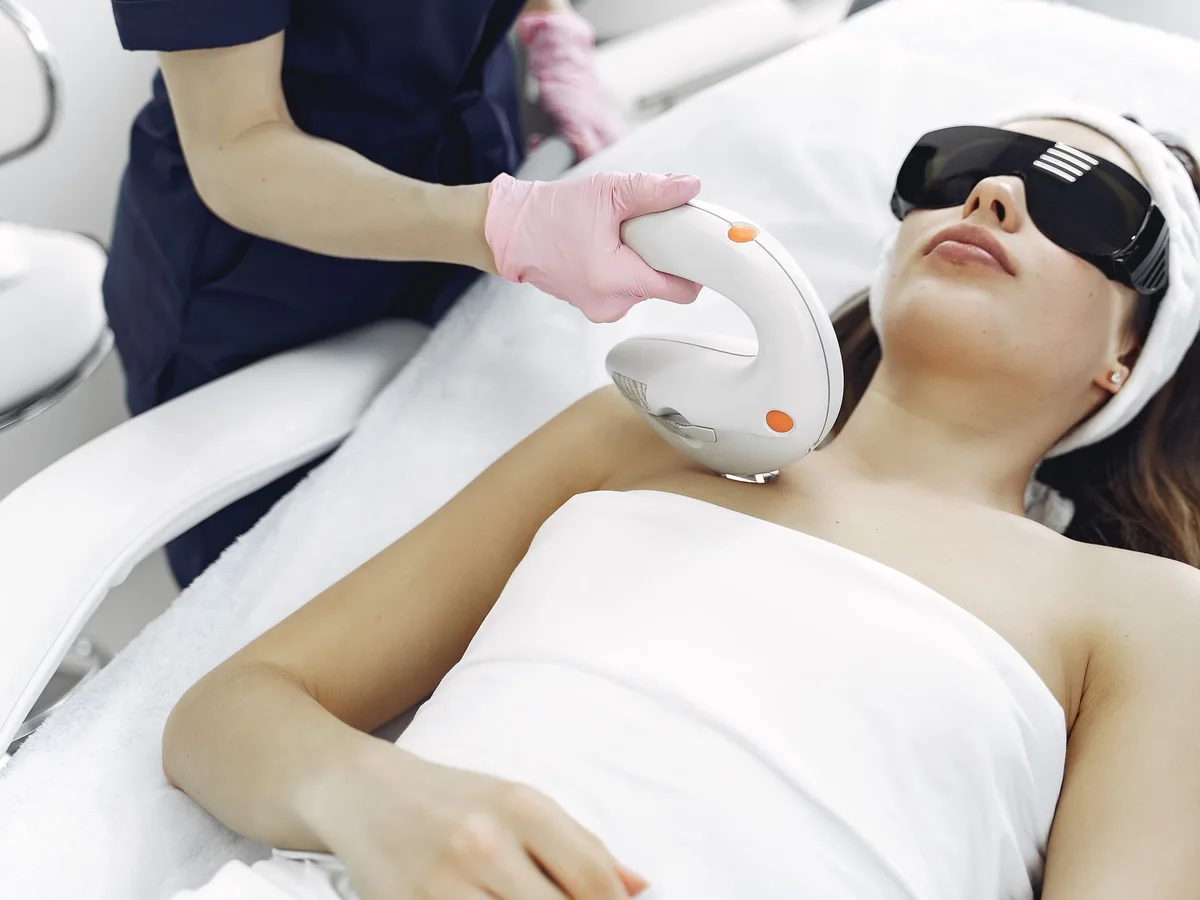
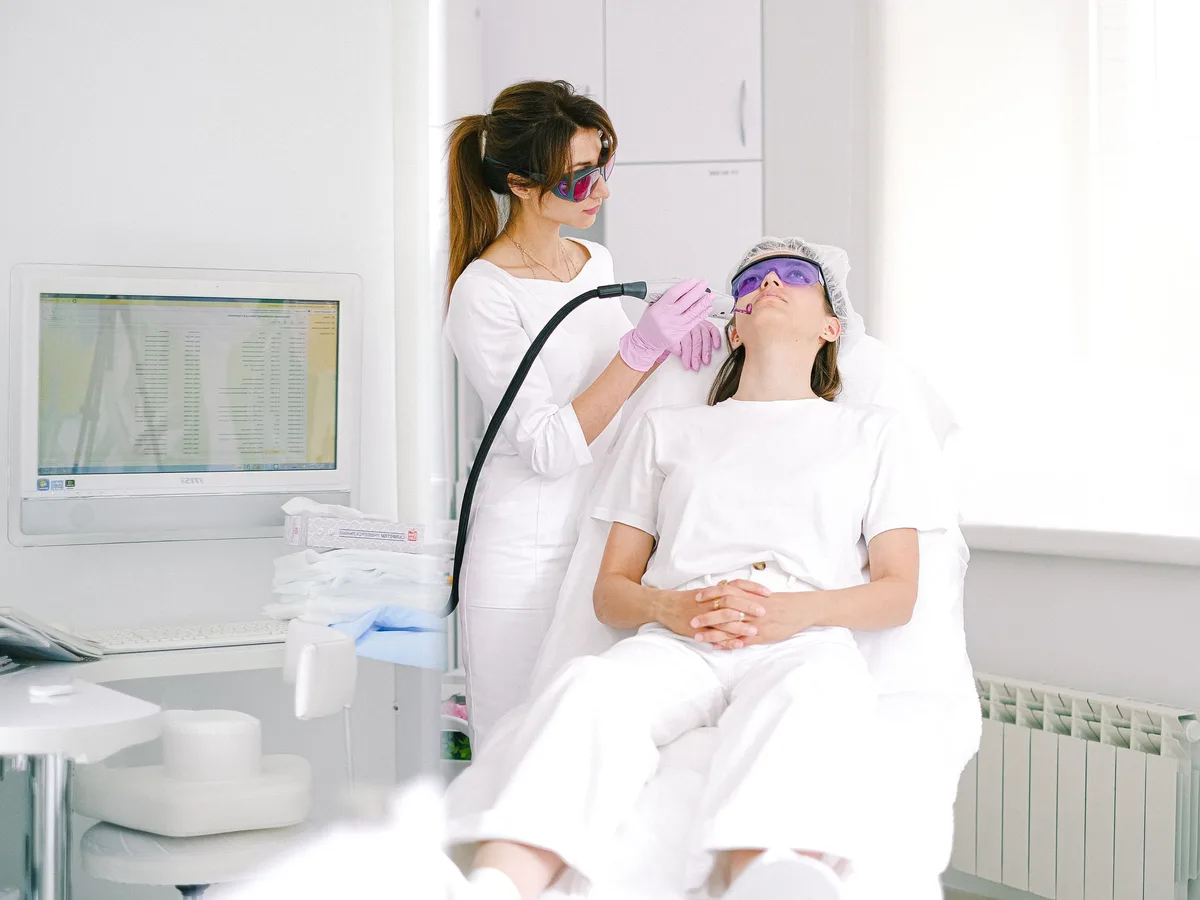
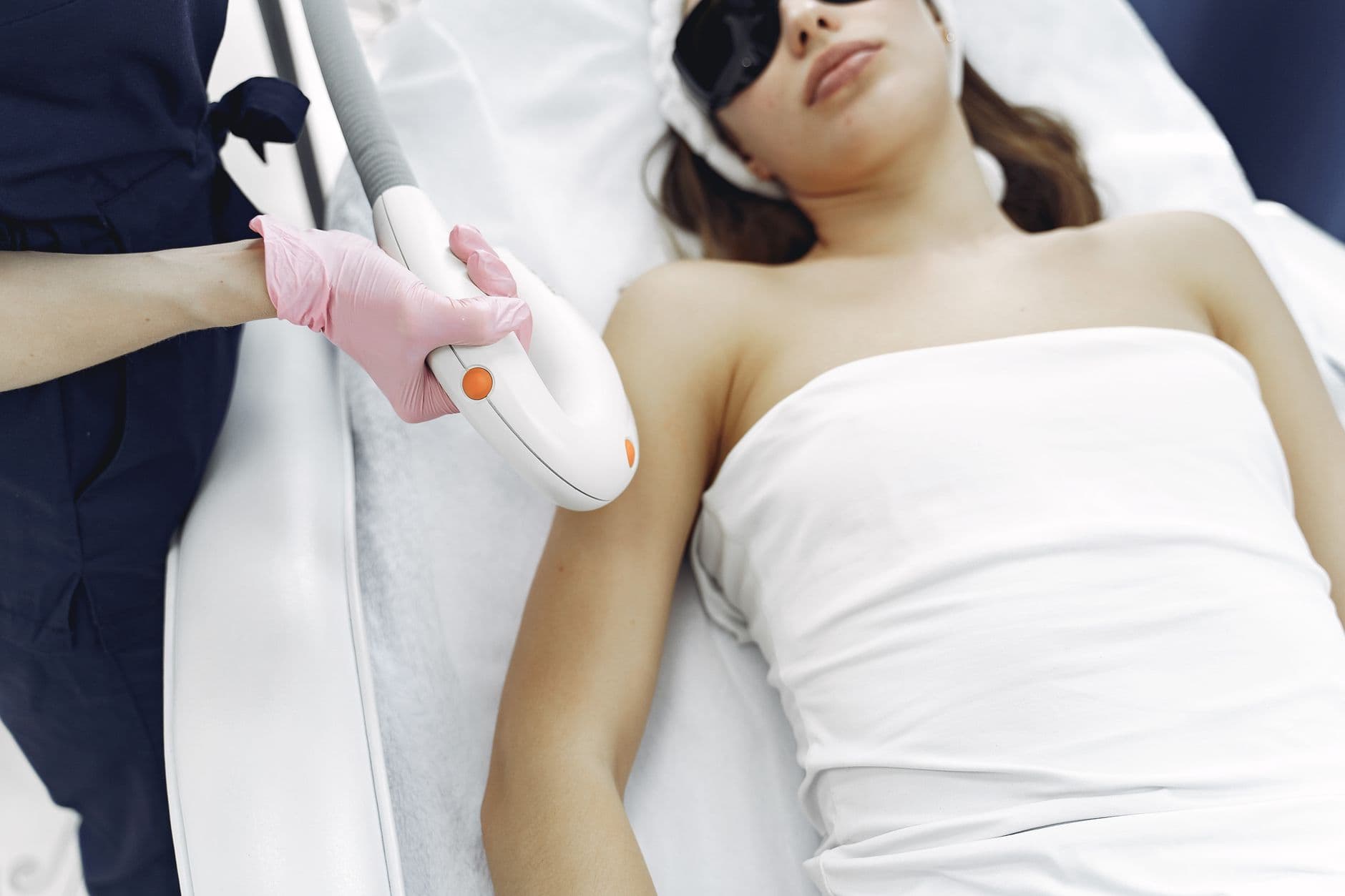
First, the skin is cleansed and protective eye shields are placed. The dermatologist then guides the laser handpiece across the target areas. In a standard clinical protocol, conservative fluences of 0.5 to 1 J/cm² are used with a 6 to 8 mm spot size at 10 Hz (A comparative study on efficacy of high and low fluence Q-switched…).
During each pass, you will hear a soft clicking sound and feel a mild prickling sensation, like the gentle snap of a small rubber band. Low-fluence toning does not break the skin or create open wounds. The practitioner monitors the skin closely throughout the session, stopping passes immediately if mild erythema or immediate lightening appears (A comparative study on efficacy of high and low fluence Q-switched…).
Q-switched pulses also deliver a photomechanical impact on hair shafts and hair follicles (Clinical applications of Q-switched NdYAG laser). This impact causes hair reduction and delays the hair growth cycle across all skin types, even on tanned skin, without fear of pigmentary changes (Clinical applications of Q-switched NdYAG laser). While this does not replace a dedicated course of laser hair removal for thick body hair, it offers a helpful reduction of fine facial peach fuzz.
Each session is brief, and there is no social downtime. Any mild flushing usually fades within a few hours. Because low-fluence laser therapy disperses melanin over time, clinical improvements occur across multiple weekly sessions (A comparative study on efficacy of high and low fluence Q-switched…).
Protecting Results: Photoprotection and Clinical Oversight
While low-fluence laser toning clears deep pigment, protecting your results requires daily sun protection and steady maintenance. Clinical studies show that melasma has a natural tendency to return once treatment stops (A comparative study on efficacy of high and low fluence Q-switched…).
In a 12-week post-treatment follow-up study of Indian patients, melasma severity scores worsened by 13.04% in the low-fluence group, 13.125% in the glycolic acid peel group, and 13.25% in the high-fluence group (A comparative study on efficacy of high and low fluence Q-switched…). This similar rate of recurrence across all groups proves that ongoing maintenance therapy and regular sunscreen use are essential to prevent pigment from returning (A comparative study on efficacy of high and low fluence Q-switched…).
Ultraviolet (UV) radiation triggers melanocytes to produce fresh pigment. Applying a broad-spectrum sunscreen every day protects vulnerable areas from darkening again. Wearing wide-brimmed hats and avoiding intense midday sun further protects your skin.
Supervision by an experienced dermatologist is also vital. If complications such as mottled hypopigmentation, hyperpigmentation, leukoderma, severe urticaria, severe acneiform eruptions, or herpes simplex activation occur, medical guidelines require stopping laser therapy or modifying treatment settings (Clinical applications of Q-switched NdYAG laser).
If speckled hypopigmentation develops, medical protocol requires stopping laser treatment and adopting medical management such as azelaic acid or kojic acid, while avoiding hydroquinone (Clinical applications of Q-switched NdYAG laser). After a period of two to three months, once the hypopigmentation resolves, laser treatment can be restarted at a lower fluence under 2.5 J/cm² (Clinical applications of Q-switched NdYAG laser). These safety measures show why laser care should always be directed by a medical professional.
Dermatologist-Led Care in Kalyani Nagar, Pune
Managing pigmentation on Indian skin requires careful attention to melanin biology. High-heat methods that promise overnight changes often cause vascular trauma, rebound darkening, or patchy hypopigmentation (A comparative study on efficacy of high and low fluence Q-switched…). Delivering 1064 nm energy at sub-photothermolytic fluences fragments melanin granules through a subcellular biostimulation effect (A comparative study on efficacy of high and low fluence Q-switched…), while stimulating deep dermal collagen without injuring the surface layer of the skin (Clinical applications of Q-switched NdYAG laser).
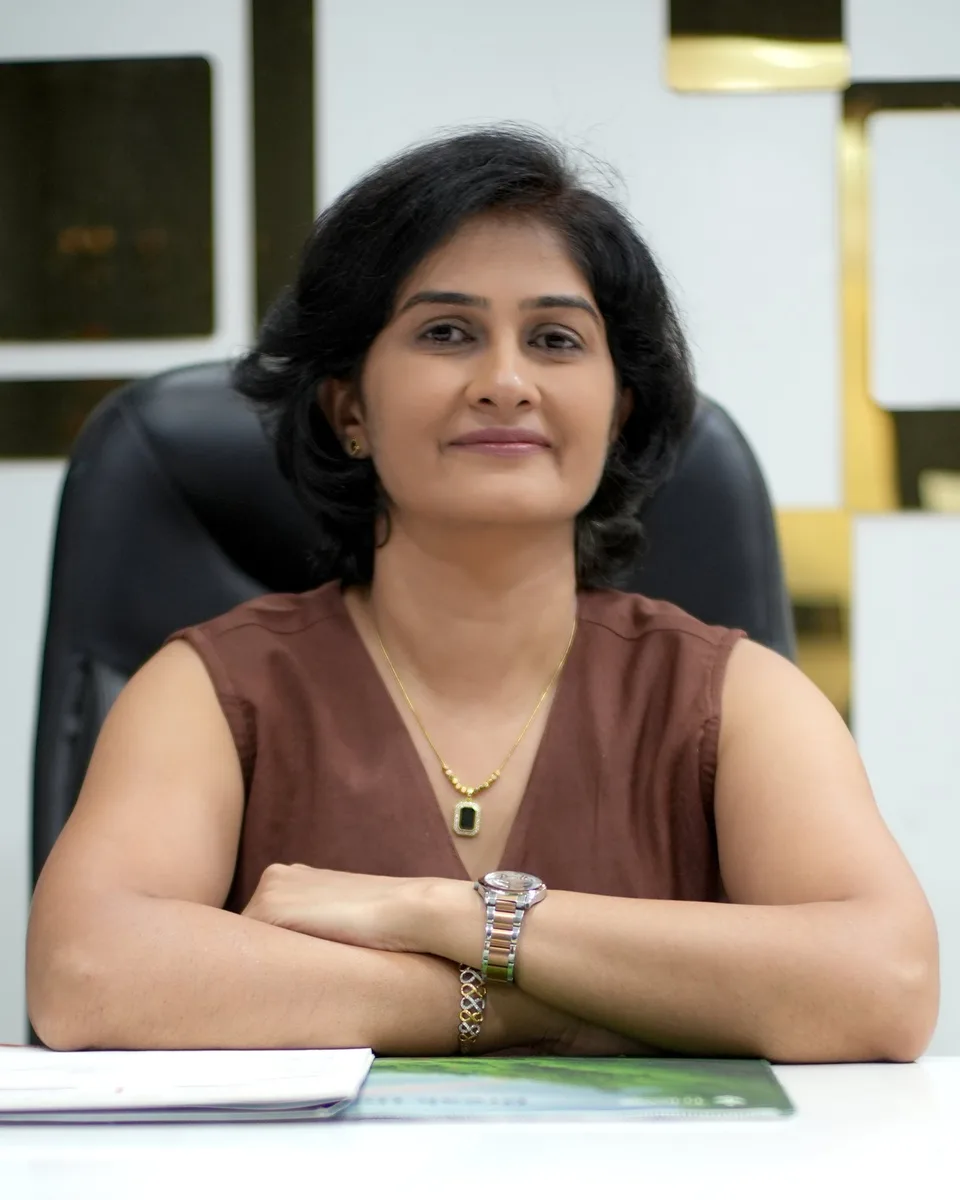
Skin thickness, pigment depth, and vascular sensitivity vary from person to person. Because of this, treatment settings should never come from a fixed, generic chart. At Skin Essence in Kalyani Nagar, Pune (with a second clinic in Ahmedabad), treatments are planned by Dr. Daksha Patel, MBBS, MD (Skin & VD), a dermatologist and cosmetologist with over 17 years of experience. Every plan is tailored around the individual patient's skin type and goals.
Whether you are dealing with deep melasma, post-acne marks, or uneven skin tone, consulting an MD dermatologist in Kalyani Nagar, Pune ensures your laser settings remain safe and controlled. A proper medical evaluation protects your skin barrier and supports clear, healthy skin over time.
Frequently asked questions
How does low-fluence laser toning work on Indian skin?
It uses a 1064 nm Q-switched Nd:YAG laser at sub-photothermolytic fluences to fragment and disperse melanin granules into the cytoplasm without causing cellular damage or killing cells.
Why can high-fluence laser settings be risky for darker skin types?
High-fluence settings can damage superficial blood vessels and cause inflammation, leading to rebound hyperpigmentation and mottled hypopigmentation.
What happens during a typical low-fluence laser toning session?
The skin is cleansed, protective eye shields are worn, and conservative laser passes are made across the skin, producing a soft clicking sound and a mild snapping sensation without breaking the skin.
Does laser toning also affect facial hair?
Yes, Q-switched laser pulses deliver a photomechanical impact on hair follicles, resulting in temporary hair reduction and delayed hair growth cycles across all skin types.