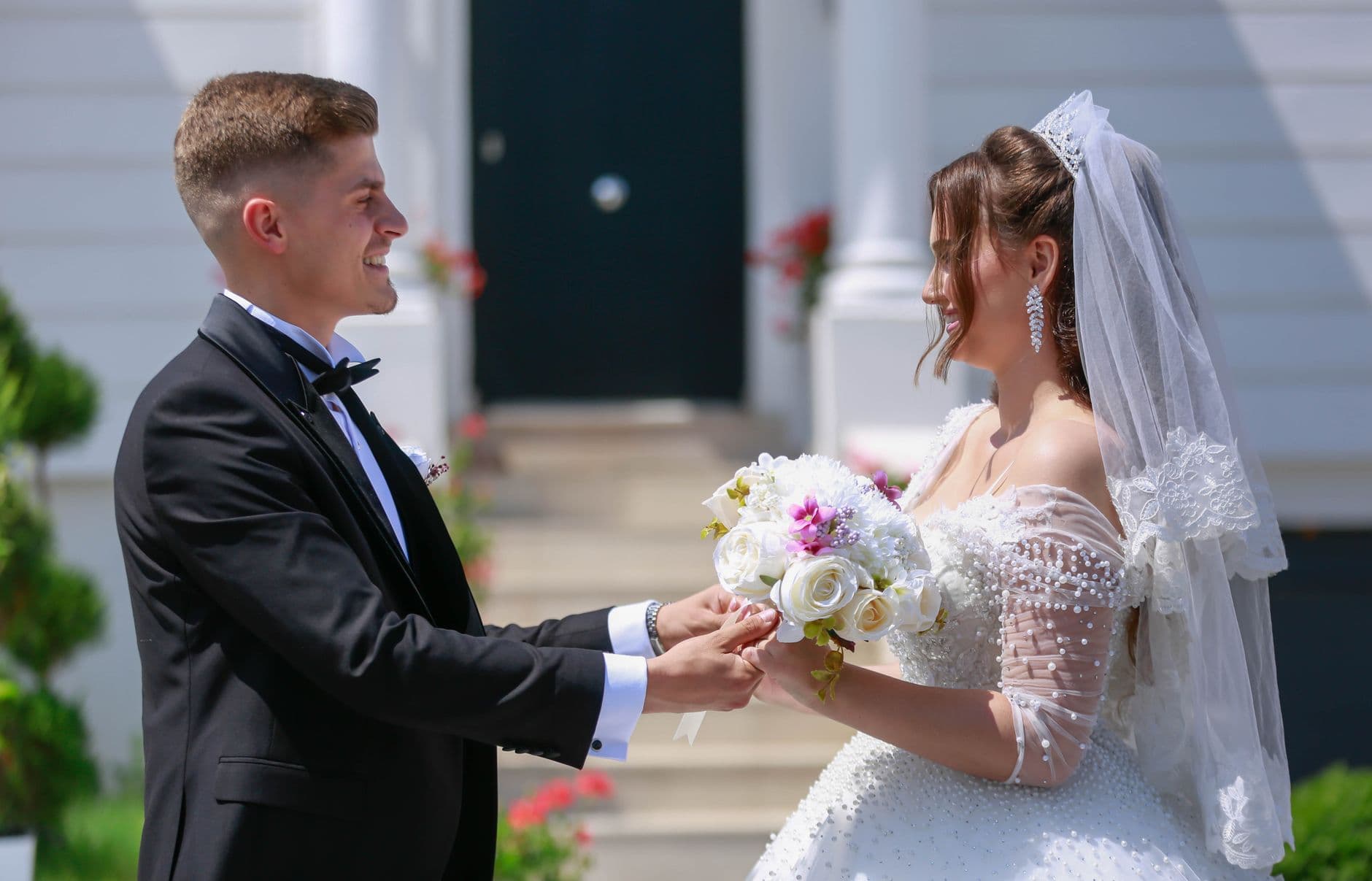
Wedding preparations involve months of coordinating venues, outfits, and photography schedules. Yet, when it comes to skin care, many couples leave clinical treatments until the final four weeks before their festivities. Booking intensive facials, peels, or new aesthetic procedures right before pre-wedding ceremonies is a frequent cause of unexpected irritation, redness, and compromised skin barriers. When time is short, the skin simply lacks the biological window needed to heal and show its best texture.
True skin transformation operates on physiological cycles. Cellular turnover, collagen remodeling, and follicular hair growth cannot be compressed into a few rushed sessions. Correcting concerns such as persistent acne, post-acne scarring, stubborn sun-induced hyperpigmentation, or unwanted facial and body hair requires a phased roadmap planned backward from your wedding date.
Both brides and grooms benefit immensely from an early, structured dermatological approach. By addressing corrective and procedural work six to nine months ahead, you eliminate the risk of prolonged peeling or unexpected reactions close to your functions. As the wedding day approaches, treatments naturally transition from deep corrective procedures to gentle barrier hydration and radiance.
6 to 9 Months Out: Addressing Acne, Scars, and Starting Laser Hair Reduction
The earliest phase of your wedding preparation timeline should focus on concerns situated deep in the skin. If your goals include addressing textured acne scars, stubborn melasma, or significant unevenness, treatments must begin early because these structural changes require sustained cellular turnover.
Medium chemical peels are an established clinical option for these deeper concerns. A medium chemical peel works by removing skin cells from both the epidermis and the upper portions of the dermis, making it effective for addressing wrinkles, acne scars, and uneven skin tone (Chemical peel). However, medium peels demand careful advance planning because multiple sequential sessions may be needed to achieve or maintain the desired improvements (Chemical peel).
Couples must also understand the distinct healing timeline of medium chemical peels to prevent cosmetic panic during engagement parties or pre-wedding shoots. Following a medium peel, the treated area takes approximately 7 to 14 days to heal; as initial swelling subsides, the skin crusts and can develop temporary brown blotches or darkening (Chemical peel). While cosmetics can typically be used to cover visible redness after 5 to 7 days, residual erythema and pinkness can persist for several months (Chemical peel). Undergoing such procedures at least six to nine months prior to celebrations ensures that all peeling, crusting, and post-procedural redness completely resolve well before any cameras are present.
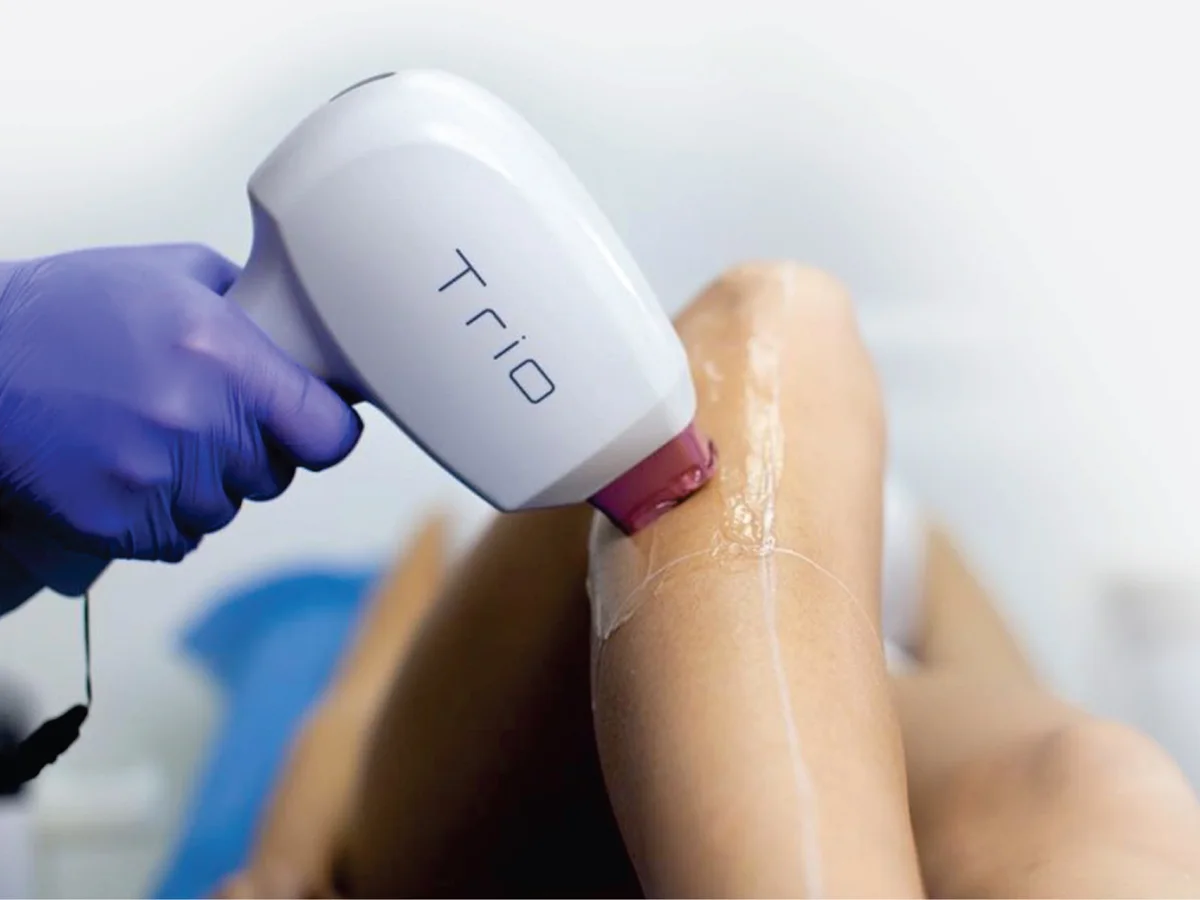
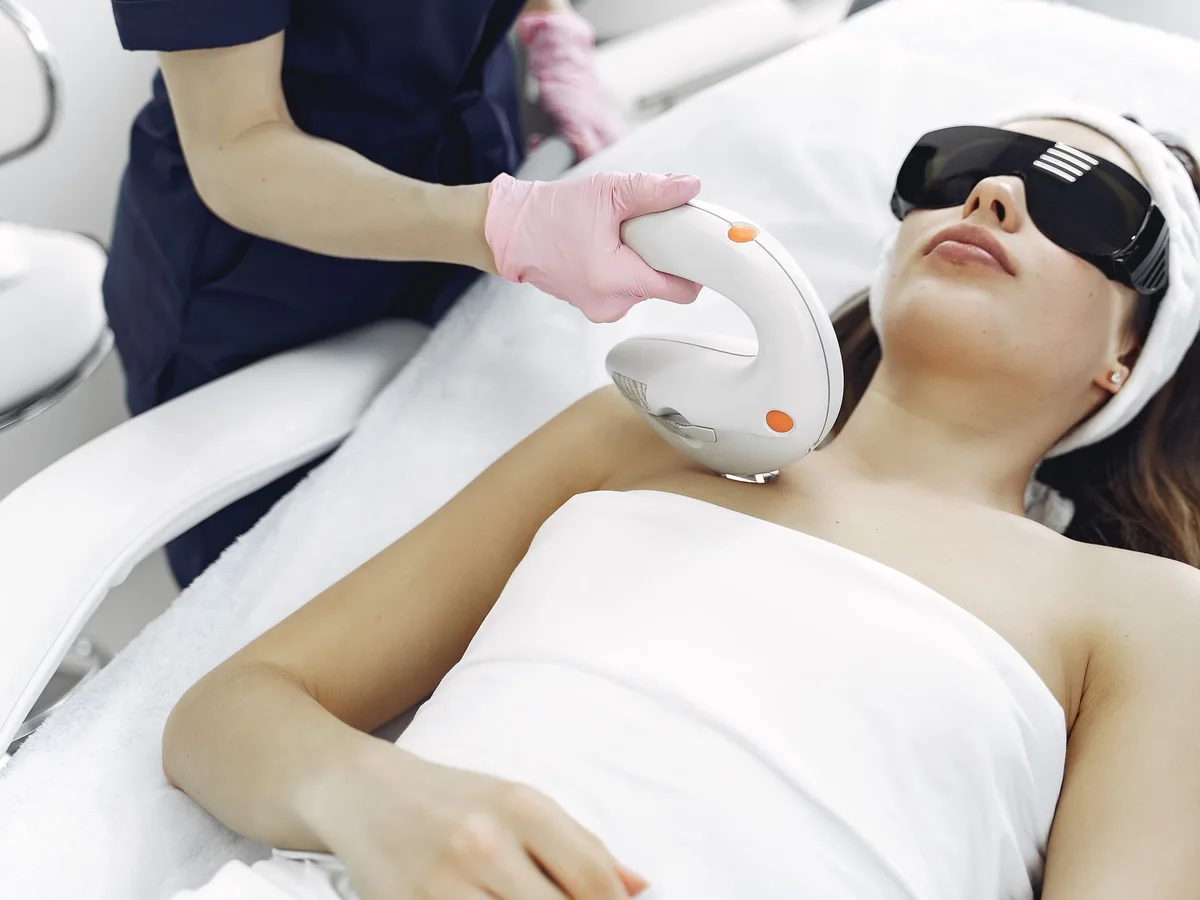
This period is also the ideal window to start Laser Hair Reduction. Hair grows in staggered biological cycles—anagen (active growth), catagen (transition), and telogen (resting). Because laser energy selectively targets follicles in the active growth phase, complete reduction requires multiple spaced sessions. Initiating treatments six to nine months out allows brides and grooms to undergo multiple sequential sessions across target zones like the face, neck, arms, or back, avoiding last-minute waxing burns or follicular bumps during wedding week.
3 to 6 Months Out: Managing Pigmentation and Laser Toning Intervals
Once deeper structural work is underway, the intermediate phase focuses on refining skin tone, addressing superficial sun tanning, and targeting residual pigmentation. On Indian skin tones, aggressive single-session treatments run a high risk of triggering post-inflammatory hyperpigmentation. A steady, measured cadence of low-downtime procedures is far safer and more predictable.
Superficial chemical peels serve as an excellent clinical modality during this phase. A light peel removes only the outer epidermal layer, helping to improve fine wrinkles, active acne breakouts, uneven tone, and dryness (Chemical peel). Because their depth is controlled, superficial peels can be performed at regular intervals of two to five weeks (Chemical peel).
The recovery profile for superficial peels fits comfortably within a busy planning schedule. The treated skin generally heals within 1 to 7 days, and you are typically permitted to apply makeup as early as the following day (Chemical peel).
Pairing light peels with laser toning over this multi-month window allows for gradual, uniform brightening. Laser toning uses gentle, non-ablative pulses to break down scattered melanin particles without overheating the surrounding tissue. Spacing these sessions several weeks apart gives the body's lymphatic system adequate time to clear cellular debris, delivering a clear, luminous canvas without requiring prolonged downtime.
Groom's Protocol: Calming Razor Bumps and Beard Line Grooming
Grooms frequently face unique dermatological challenges, especially surrounding the beard and neck area. High-collared ethnic attire, embroidered sherwanis, and daily wet shaving can aggravate the skin, leading to chronic redness and painful bumps right along the neckline.
This recurrent condition is commonly diagnosed as pseudofolliculitis barbae—an inflammatory reaction of the hair follicle resulting from shaving (Pseudofolliculitis Barbae (Razor Bumps): Images and Management). It manifests as an acne-like eruption characterized by ingrown hairs accompanied by red or flesh-coloured follicular papules, most frequently distributed across the face and neck (Pseudofolliculitis Barbae (Razor Bumps): Images and Management).
When shaving habits remain unaltered, pseudofolliculitis barbae typically persists (Pseudofolliculitis Barbae (Razor Bumps): Images and Management). While the condition generally subsides approximately 4 to 6 weeks after stopping the causative shaving technique, ceasing shaving entirely is often impractical for grooms who desire a clean, well-groomed beard profile (Pseudofolliculitis Barbae (Razor Bumps): Images and Management).
To solve this without having to grow an unshaped beard, grooms can adopt alternative hair management strategies (Pseudofolliculitis Barbae (Razor Bumps): Images and Management). Specifically, laser epilation using an Nd:YAG laser serves as a targeted clinical measure for managing pseudofolliculitis barbae (Pseudofolliculitis Barbae (Razor Bumps): Images and Management). By targeting the coarse, curved hair follicles that cause ingrown hairs along the lower neck and upper cheek lines, an Nd:YAG laser helps reduce follicular density and hair regrowth in those specific zones. This eliminates repetitive razor friction, keeps beard lines neat, and leaves the neck smooth and clear of inflammatory bumps well before the festivities begin.
4 to 6 Weeks Out: Procedural Cutoffs and Final Glow Treatments
As the calendar narrows to the final month, the focus must shift entirely from aggressive correction to skin barrier preservation, gentle hydration, and subtle radiance. Corrective clinical procedures must cease to prevent unforeseen skin barrier disruption.
Establish a strict procedural cutoff window for all chemical peeling treatments. Even light chemical peels, which heal in approximately 1 to 7 days, should not be scheduled closer than two weeks before major public functions, ensuring that any temporary flaking or tonal variation resolves completely (Chemical peel). Deeper corrective lasers and medium chemical peels should have concluded months prior.
During these final four to six weeks, the clinical focus narrows to gentle medical facials and hydrating skin glow treatments. Rather than introducing new active exfoliation, these sessions prioritize deep hydration and barrier reinforcement, giving the skin a healthy, luminous quality without triggering peeling, redness, or unpredictable recovery periods right before your events.
Always coordinate clinical cutoffs around your pre-wedding photography sessions. Heavy makeup adheres best to a calm, well-hydrated barrier; scheduling a glow treatment roughly a week before camera dates ensures the skin is supple, radiant, and free of localized sensitivity.
Common Last-Minute Skincare Mistakes Couples Must Avoid
Even with a well-planned calendar, last-minute impulses can disrupt weeks of clinical progress. Keeping your skin steady during the final month requires avoiding these frequent pitfalls:
- Introducing untried active ingredients: Starting high-strength retinol formulas, unverified chemical exfoliants, or new serums within four weeks of the wedding can trigger acute irritant contact dermatitis and breakout flare-ups.
- Booking unverified intensive peels: A medium chemical peel requires 7 to 14 days of healing with crusting and brown blotches, and underlying redness can persist for months (Chemical peel). Booking an unvetted deep peel late in the timeline risks severe, visible downtime during your ceremonies.
- Switching hair removal techniques right before events: Aggressive dry shaving or sudden waxing passes can prompt acute follicular trauma, triggering pseudofolliculitis barbae papules that can take 4 to 6 weeks of non-shaving to fully calm down (Pseudofolliculitis Barbae (Razor Bumps): Images and Management).
- Undergoing heavy salon extractions: Aggressive manual extractions performed by non-medical salon personnel often bruise delicate facial tissue and rupture follicle walls, transforming minor clogged pores into inflamed inflammatory lesions.
Personalised Bridal and Groom Skin Care at Skin Essence
The golden rule of pre-wedding skin preparation is straightforward: correct deep concerns early, and dedicate the final weeks to hydration and barrier protection. Because Indian skin tones require meticulous attention to prevent post-inflammatory pigmentary changes, treatment programs should never be based on generic, off-the-shelf salon packages.
At Skin Essence in Kalyani Nagar, Pune, every bridal and groom treatment timeline is medically customized by Dr. Daksha Patel, MBBS, MD (Skin & VD). With over 17 years of experience in clinical dermatology and cosmetology, having treated more than 3,00,000 patients, Dr. Patel crafts bespoke roadmaps designed around your specific skin type, concerns, and wedding calendar.
Whether you need early corrective care for acne scarring, laser hair reduction, pigmentation balancing, or gentle pre-event glow treatments, seeking dermatologist guidance at Skin Essence in Kalyani Nagar, Pune ensures your path to clear, healthy skin is safe, predictable, and perfectly timed for your celebrations.
Frequently asked questions
When should couples begin clinical treatments before their wedding?
Deep structural concerns like acne scars or starting laser hair reduction should ideally begin six to nine months prior to celebrations. This allows sufficient time for cellular turnover, biological hair cycles, and complete skin recovery.
How long does it take to heal from a medium chemical peel?
A medium chemical peel takes approximately 7 to 14 days to heal, during which the skin can crust and form temporary brown blotches. While makeup can usually be applied after 5 to 7 days, residual redness can persist for several months.
How can grooms avoid razor bumps along the beard line before wedding functions?
Grooms dealing with pseudofolliculitis barbae can use targeted laser epilation with an Nd:YAG laser. This reduces follicular density and coarse ingrown hairs along the neck and cheek lines without requiring an unkempt beard.
What skin treatments are safe to perform 4 to 6 weeks before wedding events?
The final month should shift away from aggressive peels or deep corrective lasers to focus on barrier reinforcement, gentle medical facials, and hydrating skin glow treatments to avoid unpredictable peeling or redness.