
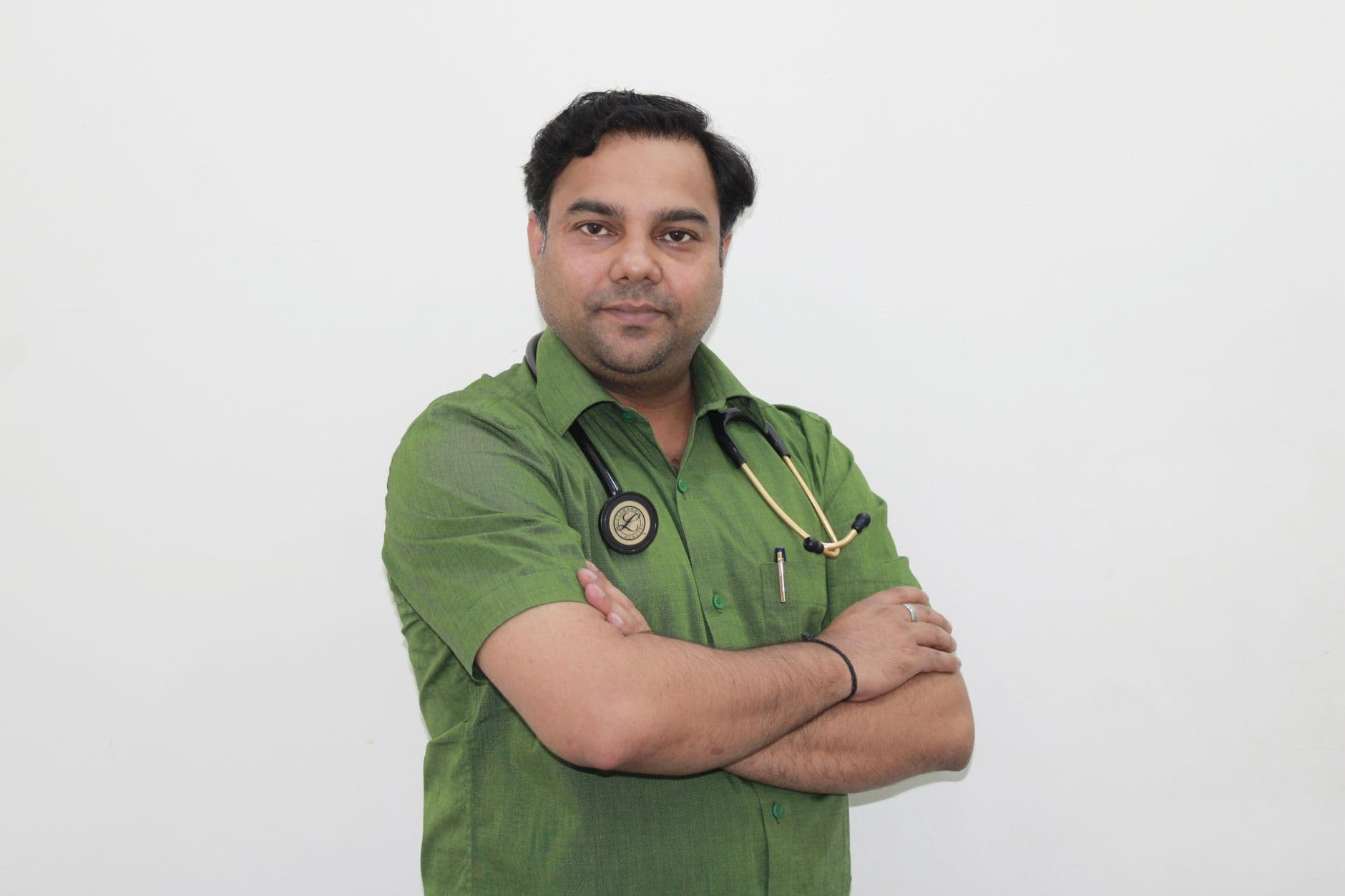
Many women and men in Ahmedabad notice an expanding hair parting or a thinning crown. Experiencing hair thinning can feel overwhelming. People often look for non-surgical therapies to slow shedding and help hair regrow naturally. In response, commercial advertising often makes bold promises of rapid reversal. When considering PRP hair treatment in Ahmedabad, navigating these options requires an objective medical perspective. An MD dermatologist focuses on what biological cellular therapies can truly achieve.
Platelet-rich plasma (PRP) therapy is an autologous medical procedure. This means it uses your own blood components. It does not rely on synthetic chemicals, artificial additives, or foreign substances. Because the biological material comes entirely from your own circulation, the therapy delivers your body's natural signaling proteins directly to the hair roots. It cannot create new follicles out of nothing. It also cannot replace surgery in areas where roots have completely disappeared. Instead, it offers targeted biological support to existing, struggling follicles.
At Skin Essence, consultations across our centres in Ahmedabad and Kalyani Nagar, Pune, focus on diagnostic clarity. We avoid commercial promotional campaigns. Deciding on autologous plasma therapy starts with an in-depth medical evaluation of your scalp health. An MD dermatologist examines your hair loss pattern, shedding rate, and root viability. When patients understand how autologous plasma works, they can set practical expectations and make informed decisions.
The Biological Mechanism: How Autologous Plasma Stimulates Follicles
To evaluate PRP objectively, it helps to understand how cellular growth factors function in the scalp. Whole human blood contains red blood cells, white blood cells, plasma, and platelets. Most people recognise platelets for their role in blood clotting and wound repair. However, platelets also hold tiny internal structures called alpha granules. These granules contain vital biological signaling proteins.
During the procedure, platelets are separated, concentrated, and placed into targeted scalp layers. There, the platelets become activated. Activated platelets release an array of critical growth factors (Platelet-Rich Plasma in Female Androgenic Alopecia: A Comprehensive…). These include basic fibroblast growth factor (bFGF), platelet-derived growth factor (PDGF), and vascular endothelial growth factor (VEGF) (Platelet-Rich Plasma in Female Androgenic Alopecia: A Comprehensive…). They also release epidermal growth factor (EGF), transforming growth factor-beta (TGF-β), and insulin-like growth factor-1 (IGF-1) (Platelet-Rich Plasma in Female Androgenic Alopecia: A Comprehensive…). Once released, these proteins interact directly with the local tissue environment (Platelet-Rich Plasma in Female Androgenic Alopecia: A Comprehensive…). They help promote cell differentiation, cellular proliferation, and tissue regeneration (Platelet-Rich Plasma in Female Androgenic Alopecia: A Comprehensive…).
In androgenetic alopecia, hair follicles undergo a gradual decline known as miniaturisation. Genetic and hormonal factors disrupt the normal hair cycle. The active growth phase, known as anagen, becomes shorter. Meanwhile, the resting phase, known as telogen, lasts longer. With each passing cycle, hair strands emerge thinner, shorter, and lighter in colour. Eventually, the weakened follicle stops producing a visible hair shaft. Autologous growth factors assist the local tissue environment in several distinct ways:
- Supplying signaling proteins, including bFGF and PDGF, that promote cellular proliferation and differentiation within local tissue (Platelet-Rich Plasma in Female Androgenic Alopecia: A Comprehensive…).
- Delivering growth factors such as VEGF, EGF, and IGF-1, which interact with local tissue to promote tissue regeneration (Platelet-Rich Plasma in Female Androgenic Alopecia: A Comprehensive…).
- Supporting the scalp tissue environment to encourage cellular health in miniaturising follicles.
- Delivering biological signals from the patient's own body without introducing foreign chemical agents or risking allergic reactions.
This autologous approach supports cellular health around thinning hair roots. It helps existing roots stay active and produce sturdier hair shafts, as long as viable follicles remain in the scalp.
PRP Hair Treatment in Ahmedabad: Candidacy and Clinical Assessment
A crucial step in medical dermatology is determining who will benefit from biological therapy. Autologous plasma cannot revive follicles that have fully closed or scarred over. A proper clinical assessment categorises hair loss stages. This evaluation helps determine whether plasma therapy, medical management, or surgical restoration is the right step.
Clinical research provides helpful clarity for female pattern hair loss. A systematic review examined randomised controlled trials on this condition (Platelet-Rich Plasma in Female Androgenic Alopecia: A Comprehensive…). Most patients had experienced hair loss for at least 3 to 5 years (Platelet-Rich Plasma in Female Androgenic Alopecia: A Comprehensive…). They presented with Ludwig scale types I to III or Sinclair score stages 1 to 5 (Platelet-Rich Plasma in Female Androgenic Alopecia: A Comprehensive…). In this meta-analysis, PRP showed positive efficacy in increasing hair density compared to controls, with an odds ratio of 1.61 (95% CI 0.52–2.70) (Platelet-Rich Plasma in Female Androgenic Alopecia: A Comprehensive…). Compared to baseline, the odds ratio was 1.11 (95% CI 0.86–1.37) (Platelet-Rich Plasma in Female Androgenic Alopecia: A Comprehensive…).
From a clinical standpoint, biological plasma therapy aims to support areas where active follicles remain viable across the parting and crown. When living roots are still present, delivering growth factors helps strengthen the surrounding tissue.
In male androgenetic alopecia, results vary by hair loss stage. A clinical study evaluated men across different grades of hair thinning (A study of the efficacy of platelet-rich plasma in the treatment of…). At 6 months, the mean increase in hair density per 10 mm² varied significantly across alopecia grades (P = 0.0196) (A study of the efficacy of platelet-rich plasma in the treatment of…). Men with early or moderate thinning experienced higher density gains (A study of the efficacy of platelet-rich plasma in the treatment of…). The mean increase was 3.0±0 in grade 3, 3.67±1.53 in grade 3V, and 3.5±0.71 in grade 4 (A study of the efficacy of platelet-rich plasma in the treatment of…). By comparison, patients with advanced grade 6 hair loss had a mean increase of 1.73±0.47 (A study of the efficacy of platelet-rich plasma in the treatment of…).
Hair thickness also depends on the initial stage of loss. In the same study, the 6-month mean increase in hair diameter showed statistically significant variation across grades (P = 0.0446) (A study of the efficacy of platelet-rich plasma in the treatment of…). It reached 0.03±0.01 mm in grade 5, but was 0.015±0.007 mm in grade 6 (A study of the efficacy of platelet-rich plasma in the treatment of…).
These clinical findings define clear medical boundaries. Patients with active miniaturisation and visible follicular openings make suitable candidates for autologous therapy. In contrast, areas of the scalp that are completely smooth, bare, or scarred show little response to plasma alone. For advanced thinning, such as extensive grade 6 or 7 baldness, surgical options like hair transplants are usually needed to restore coverage.
Centrifuge Standards and Clinical Delivery Protocols
Understanding the clinical steps of PRP therapy helps patients evaluate care standards. Under medical supervision, the procedure follows three distinct stages: collecting the blood, separating the components, and administering the plasma to the scalp.
Centrifugation and Concentration Quality
The procedure begins with a simple blood draw from the arm. The clinic collects a small volume of peripheral blood in sterile tubes containing an anticoagulant. The sample is placed in a calibrated medical centrifuge. This machine spins the sample to separate blood layers based on density. The goal is to isolate the platelet-rich buffy coat and plasma while leaving heavy red blood cells behind.
Standardisation is vital during blood preparation. Preparation methods vary across clinical studies (Platelet-Rich Plasma in Female Androgenic Alopecia: A Comprehensive…). Platelet concentrations range from 1.5-fold to 7-fold above baseline whole blood levels depending on the protocol (Platelet-Rich Plasma in Female Androgenic Alopecia: A Comprehensive…). Proper centrifuge cycles protect the platelets. This ensures they remain intact until delivered into the scalp dermis.
Patient Comfort and Scalp Administration
Before starting, the clinician cleanses the scalp with an antiseptic solution. Scalp sensitivity varies from person to person. To keep the procedure comfortable, a numbing cream applied by the clinic is left on the scalp beforehand. Once the area is numb, the concentrated plasma is carefully delivered into the superficial dermis. The clinician targets depths near the follicular bulge and dermal papilla.
Clinical research confirms that PRP has a favourable safety profile in androgenetic alopecia (Platelet-Rich Plasma in Female Androgenic Alopecia: A Comprehensive…). Side effects are usually mild and short-lived (Platelet-Rich Plasma in Female Androgenic Alopecia: A Comprehensive…). Patients may notice mild local tenderness or bruising at the administration sites that resolve within 4 to 5 days (Platelet-Rich Plasma in Female Androgenic Alopecia: A Comprehensive…). Studies also note occasional mild headache or scalp sensitivity (Platelet-Rich Plasma in Female Androgenic Alopecia: A Comprehensive…). Because the plasma is autologous, systemic side effects are avoided. Downtime is minimal, so patients can quickly return to their normal routine.
Evaluating Treatment Options and Complementary Dermatological Care
Managing hair loss effectively requires a complete, long-term plan. Follicular thinning is a chronic, progressive condition. Slowing it down requires ongoing care rather than a single, isolated session. Patients in Ahmedabad should weigh clinical options based on their schedule, stage of thinning, and personal goals.
Dermatologists often review clinical research to guide treatment planning. A systematic review evaluating combination therapies for androgenetic alopecia identified 46 initial records from databases and registers, ultimately including 9 clinical studies in its final analysis (Platelet Rich Plasma Combination Therapies for Treatment of Androge…). In clinical practice, dermatologists frequently evaluate whether biological plasma sessions should be paired with prescribed medical therapies. For instance, combining plasma sessions with prescribed topical maintenance directed by a dermatologist addresses thinning from two angles. In-clinic plasma delivers localized growth factors, while prescribed topical solutions support hair health daily at home. Your dermatologist will advise whether this is suitable for you.
When considering hair care options, patients should evaluate the practical trade-offs:
- In-Clinic Biological Sessions (PRP / GFC): These sessions focus on periodic stimulation using autologous growth factors. They require clinic visits every few weeks at first, followed by maintenance visits. They do not require daily application at home.
- Prescribed Topical Maintenance: This approach relies on consistent daily home use to support scalp circulation and slow miniaturisation. Stopping daily use can lead to a gradual loss of gains.
- Surgical Hair Restoration: This approach is meant for areas where follicles have disappeared. It requires surgical planning, graft harvesting, and recovery time, rather than cellular stimulation alone.
Scalp care often fits into a broader aesthetic plan. Many patients visiting our clinic coordinate hair restoration with other treatments. For example, some patients schedule laser hair reduction to treat unwanted facial or body hair. Others seek medical acne treatment or acne scar treatment to smooth their skin texture. Laser hair reduction targets unwanted follicles on the body or face without interfering with scalp treatments. Each procedure is planned separately by the dermatologist to match the patient's skin tone, hair texture, and individual goals across our clinics in Ahmedabad and Kalyani Nagar, Pune.
Planning Your Clinical Hair Assessment in Ahmedabad
Addressing hair thinning starts with an accurate diagnosis rather than commercial promotions. Because follicular miniaturisation progresses over time, early evaluation helps protect existing hair roots. Timely medical care helps maintain hair density and improve hair shaft calibre.
At Skin Essence, every treatment plan is tailored to the individual. Our MD dermatologist evaluates your scalp condition and personal goals rather than relying on a pre-set routine. Whether you are considering PRP hair treatment, exploring hair transplant options, or planning laser hair reduction or acne scar treatment, our clinics in Ahmedabad and Kalyani Nagar, Pune, provide honest, evidence-based care.
If you are noticing hair shedding or thinning, take a practical step forward. WhatsApp the clinic or send an enquiry to schedule your in-person scalp assessment with a dermatologist.
Frequently asked questions
How does PRP hair treatment work for thinning hair?
PRP therapy uses a concentrated sample of your own blood platelets, which release growth factors like VEGF, bFGF, and PDGF. These signaling proteins interact with local scalp tissue to support cellular proliferation and help existing, miniaturising hair follicles stay active.
Who is a suitable candidate for PRP hair treatment in Ahmedabad?
The therapy is most effective for individuals with active follicular miniaturisation and visible openings, such as early-to-moderate androgenetic alopecia. It cannot revive follicles in areas of the scalp that are completely smooth, bare, or scarred over.
What side effects are associated with scalp PRP sessions?
Because PRP is autologous, systemic side effects are avoided. Patients may experience mild, short-lived tenderness, bruising at session sites resolving in 4 to 5 days, or occasional mild headaches.
Can PRP replace a surgical hair transplant?
No, PRP cannot replace surgery in areas where follicles have completely disappeared. It provides biological support to living, struggling roots, whereas advanced baldness typically requires surgical graft restoration.
This information is general and not a substitute for a consultation. Results vary from person to person.