
Noticing excess hair on your pillow or thinning around the crown often brings a wave of quiet anxiety. For both women and men in Pune, where hard water, demanding work schedules, and high-stress commutes are everyday realities, hair loss is frequently noticed early. Yet, many people hesitate for months or even years before consulting a doctor. A common point of confusion is whether to seek a non-surgical procedure like platelet-rich plasma (PRP) therapy or to undergo surgical hair restoration.
Much of this hesitation stems from viewing PRP therapy and hair transplantation as rival solutions for the exact same stage of hair loss. In clinical dermatology, they serve entirely different purposes. PRP therapy is an autologous regenerative treatment aimed at reviving struggling, miniaturised follicles that are still alive. In contrast, hair transplantation is a surgical procedure that redistributes healthy, genetically resilient hair follicles into areas where follicles have already closed down completely.
It is also essential to distinguish between natural hairline development and progressive androgenetic alopecia. Many men mistake a normal shift in their hairline for premature balding, when clinical classifications show that Norwood Class I and Class II simply represent adolescent and mature adult hairlines rather than active balding (Hair Loss Classification in Men: Defining Types & Stages). Determining whether your follicles need biological support or surgical relocation requires an objective examination by a qualified MD dermatologist, rather than trying to diagnose yourself through online photographs.
How PRP Therapy Works to Strengthen Existing Follicles
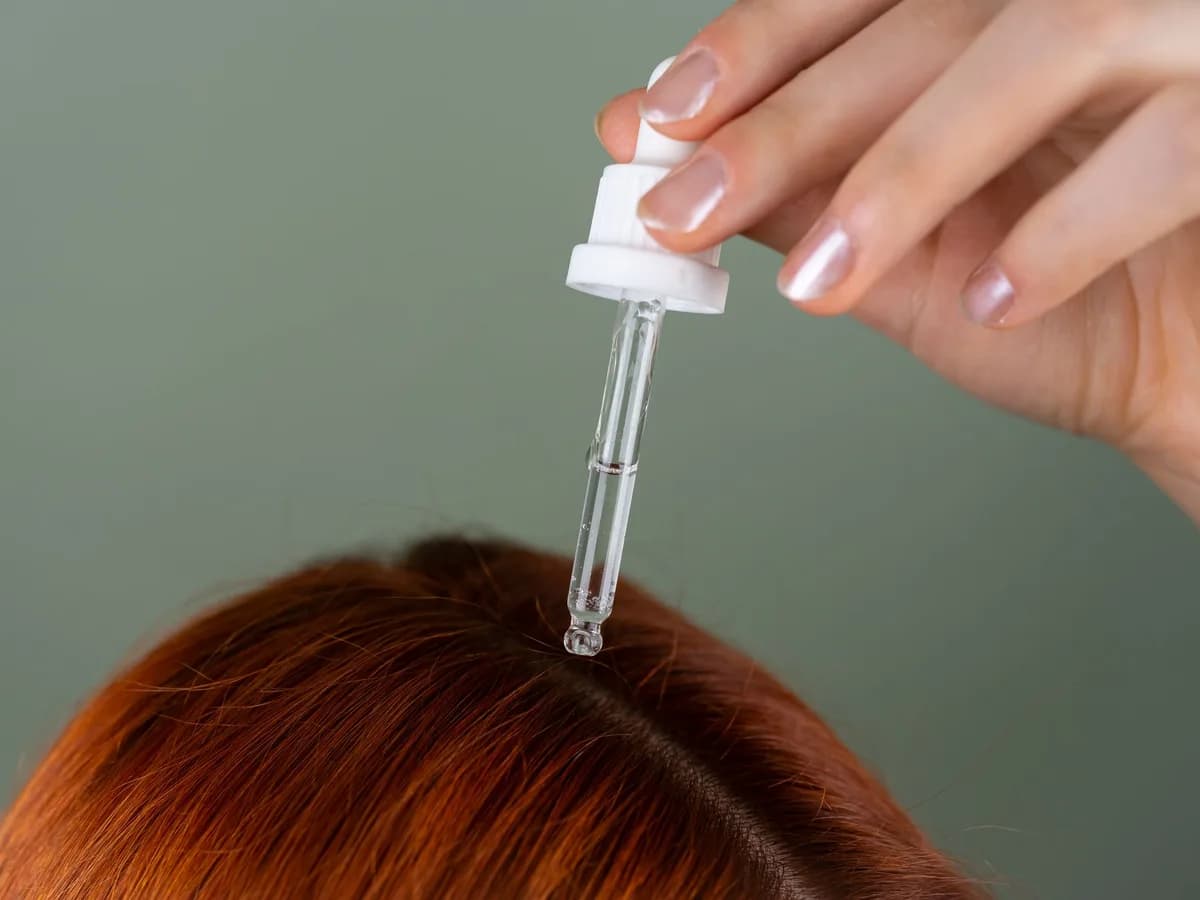
Platelet-rich plasma therapy is a non-surgical, in-clinic procedure that uses your own biological healing factors to stimulate compromised hair follicles. During a session, a small volume of peripheral blood is drawn and processed in a specialised centrifuge to separate and concentrate the platelets from red blood cells. These concentrated platelets contain cellular growth factors that, when reintroduced into the scalp via fine micro-injections, improve local microvascular perfusion and prolong the anagen (active growth) phase of the hair cycle.
Clinical evidence confirms the biological efficacy of this approach. A comprehensive meta-analysis evaluating 43 randomized controlled trials with a total of 1,877 participants demonstrated that PRP therapy effectively decreases hair loss regardless of activation status or the type of control used (Platelet-Rich Plasma in the Management of Alopecia: A Systematic Re…). Furthermore, the study noted that activated PRP significantly increased hair density and lowered recurrence compared to control interventions (Platelet-Rich Plasma in the Management of Alopecia: A Systematic Re…). In contrast, non-activated PRP formulations were associated with a higher frequency of adverse effects (Platelet-Rich Plasma in the Management of Alopecia: A Systematic Re…).
However, an honest dermatological assessment also recognizes the clinical limitations of PRP therapy:
- PRP does not significantly increase individual hair shaft thickness, even while improving overall hair density and reducing shedding (Platelet-Rich Plasma in the Management of Alopecia: A Systematic Re…).
- PRP relies entirely on viable, existing follicles and cannot stimulate hair growth in areas that are completely bald or where follicles have closed down.
For patients experiencing early diffused thinning or miniaturization—where hair is thinning but the scalp is not yet bare—PRP provides a targeted biological boost without surgical downtime.
How Hair Transplantation Restores Areas of Established Hair Loss
When hair loss progresses to the point where follicles have ceased production, biological stimulation alone cannot restore coverage. Hair transplantation solves this problem through surgical redistribution. Healthy follicular units are harvested from a genetically resilient donor zone—typically the dense fringe at the back and sides of the head that is resistant to dihydrotestosterone (DHT)—and implanted into bare or severely receded recipient zones.
Transplantation becomes the primary recommendation when progressive hair loss reaches established clinical stages. In men, true patterned hair loss typically begins at Norwood Class III, which is characterized by a deepening recession at the temples (Hair Loss Classification in Men: Defining Types & Stages). While medical therapies can slow further shedding, they rarely regrow hair across receded temples once the follicles are absent.
Surgical restoration is particularly effective for specific progressive presentations. For example, men presenting with Norwood Class A patterns—where hair loss recedes steadily from front to back without leaving an isolated central forelock—frequently seek surgical restoration early (Hair Loss Classification in Men: Defining Types & Stages). In these cases, frontal bare areas respond poorly to non-surgical medical therapies, while the sharp contrast against a dense donor area makes them excellent candidates for surgical redistribution (Hair Loss Classification in Men: Defining Types & Stages).
Evaluating Donor Zones and Hair Thinning Patterns
Undergoing a hair transplant is not simply a matter of wanting more hair; it requires a viable donor supply. A qualified dermatologist must evaluate your specific thinning pattern to confirm whether surgical restoration is clinically viable.
A crucial distinction involves differentiating between Diffuse Patterned Alopecia (DPA) and Diffuse Unpatterned Alopecia (DUPA) (Hair Loss Classification in Men: Defining Types & Stages):
- Diffuse Patterned Alopecia (DPA): Involves thinning across the top of the scalp while maintaining a stable donor area at the back and sides, making these patients viable candidates for surgical transplantation (Hair Loss Classification in Men: Defining Types & Stages).
- Diffuse Unpatterned Alopecia (DUPA): Features rapid, widespread thinning across the entire scalp, including donor regions; lacking a stable harvesting zone, DUPA patients are almost never suitable surgical candidates (Hair Loss Classification in Men: Defining Types & Stages).
For patients with unpatterned thinning or unstable donor reserves, non-surgical approaches like PRP, combined with medical management, are the safer clinical option to preserve remaining hair.
Scalp Health and Inflammation: Pre-Treatment Requirements
Before scheduling either PRP therapy or hair transplantation, the health of your scalp tissue must be thoroughly evaluated. In cities like Pune, where ambient dust, vehicle pollution, and seasonal weather shifts contribute to scalp irritation, inflammatory conditions are common.
Seborrheic dermatitis is one of the most frequent culprits. While seborrheic dermatitis does not directly destroy hair follicles in the manner of scarring alopecias, chronic scalp inflammation disrupts the hair cycle, prematurely pushing follicles into the telogen (shedding) phase and accelerating underlying androgenetic hair loss (Can Patients with Seborrheic Dermatitis Undergo Hair Transplantation?).
Active seborrheic dermatitis serves as an absolute surgical contraindication for hair transplantation (Can Patients with Seborrheic Dermatitis Undergo Hair Transplantation?). Inflamed tissue compromises normal wound repair, elevates the risk of post-procedural infection, and impairs the rapid revascularization required for newly implanted grafts to survive (Can Patients with Seborrheic Dermatitis Undergo Hair Transplantation?).
To ensure patient safety and procedure success, dermatologists follow strict clinical protocols before surgery:
- Achieving 4 to 6 weeks of sustained remission: Scalp inflammation must fully subside at the tissue level prior to proceeding with surgical restoration (Can Patients with Seborrheic Dermatitis Undergo Hair Transplantation?).
- Tapering and stopping topical corticosteroids: Steroid treatments used to calm active flare-ups must be discontinued at least two weeks before transplantation, as prolonged use impairs wound healing (Can Patients with Seborrheic Dermatitis Undergo Hair Transplantation?).
Downtime, In-Clinic Visits, and Lifestyle Adjustments
Comparing PRP therapy and hair transplantation also involves practical considerations regarding daily routines, office commitments, and recovery periods.
PRP Therapy Lifestyle Demands
PRP therapy fits easily into a demanding work schedule. An in-clinic session typically takes under an hour. Because it is non-surgical, there are no incisions or dressings. Patients may experience mild scalp tenderness or temporary redness for 24 to 48 hours, but you can return to desk work and routine daily activities almost immediately. For professionals working in business districts like Kalyani Nagar or commuting across Pune, PRP requires minimal disruption to your routine.
Hair Transplantation Recovery Demands
Hair transplantation is a minor surgical procedure requiring deliberate recovery planning. Swelling around the forehead and eyes can occur during the first few days, and tiny crusts form over recipient sites, requiring careful washing protocols.
Post-operative scalp hygiene requires strict adherence to clinical guidelines. Medicated anti-dandruff shampoos containing active ingredients like ketoconazole or ciclopirox must be withheld for the initial 10 to 14 days after surgery (Can Patients with Seborrheic Dermatitis Undergo Hair Transplantation?). During this crucial window, the scalp must only be cleansed using a gentle, surgeon-approved mild wash to prevent tissue irritation and protect delicate graft anchoring (Can Patients with Seborrheic Dermatitis Undergo Hair Transplantation?). Additionally, patients must avoid wearing tight bike helmets, engaging in heavy gym sessions, and direct sun exposure for several weeks post-surgery.
Integrating Hair and Skin Health in Dermatological Care
Scalp care does not exist in isolation from facial dermatology. The hairline, temples, and neck form an interconnected aesthetic frame. Patients presenting with hair loss often manage concurrent dermatological concerns, such as facial acne, acne scars, or recurring folliculitis around the beard line.
Addressing these conditions simultaneously creates cleaner aesthetic outcomes. For example, clinical procedures like laser hair reduction can be used to cleanly define the neck and lower beard borders while medical hair restoration focuses on rebuilding density on the scalp. Managing active acne and treating lingering acne scars with dermatological peels or resurfacing improves overall skin texture, allowing the newly restored hairline to frame a clear, healthy complexion.
Rather than seeking isolated treatments for individual symptoms, consulting a medical dermatologist ensures your scalp barrier, facial skin, and follicular health are treated as a cohesive whole.
Choosing Your Path with a Dermatologist in Kalyani Nagar, Pune
Choosing between PRP therapy and hair transplantation comes down to follicle viability and hair loss stage. PRP therapy provides an evidence-based biological approach to decrease hair loss and increase hair density in areas where living follicles are thinning (Platelet-Rich Plasma in the Management of Alopecia: A Systematic Re…). A hair transplant, meanwhile, redistributes resilient donor units to re-establish coverage over completely bare recipient areas like receded temples (Hair Loss Classification in Men: Defining Types & Stages).
Attempting to self-diagnose your scalp condition can lead to wasted months while follicular miniaturization continues. An in-person clinical scalp examination provides objective answers regarding your hair density, donor zone stability, and scalp health.
At Skin Essence in Kalyani Nagar, Pune, hair restoration is approached with medical rigor. Led by Dr. Daksha Patel, MBBS, MD (Skin & VD), a dermatologist and cosmetologist with over 17 years of clinical experience, each treatment plan is tailored around your specific hair loss pattern, scalp condition, and personal goals. Whether your scalp requires non-surgical regenerative therapies, surgical hair restoration, or complementary dermatological care, an objective medical evaluation is the right first step toward lasting hair health.
Frequently asked questions
Can PRP therapy regrow hair on completely bald areas?
No. PRP therapy relies on viable, living follicles and cannot stimulate new hair growth in areas where follicles have already closed down completely.
When is a hair transplant recommended over PRP therapy?
A hair transplant is recommended when hair loss has progressed to established clinical stages, such as receded temples or bare zones where follicles are absent, provided you have a stable donor area.
Can I have a hair transplant if I have active seborrheic dermatitis?
No. Active seborrheic dermatitis is an absolute surgical contraindication because inflamed scalp tissue increases infection risks and impairs graft survival; sustained remission of 4 to 6 weeks is required first.
What is the difference in downtime between PRP and a hair transplant?
PRP therapy has minimal downtime, allowing you to return to work almost immediately, while a hair transplant requires deliberate post-operative care, including avoiding heavy workouts and tight helmets for several weeks.