
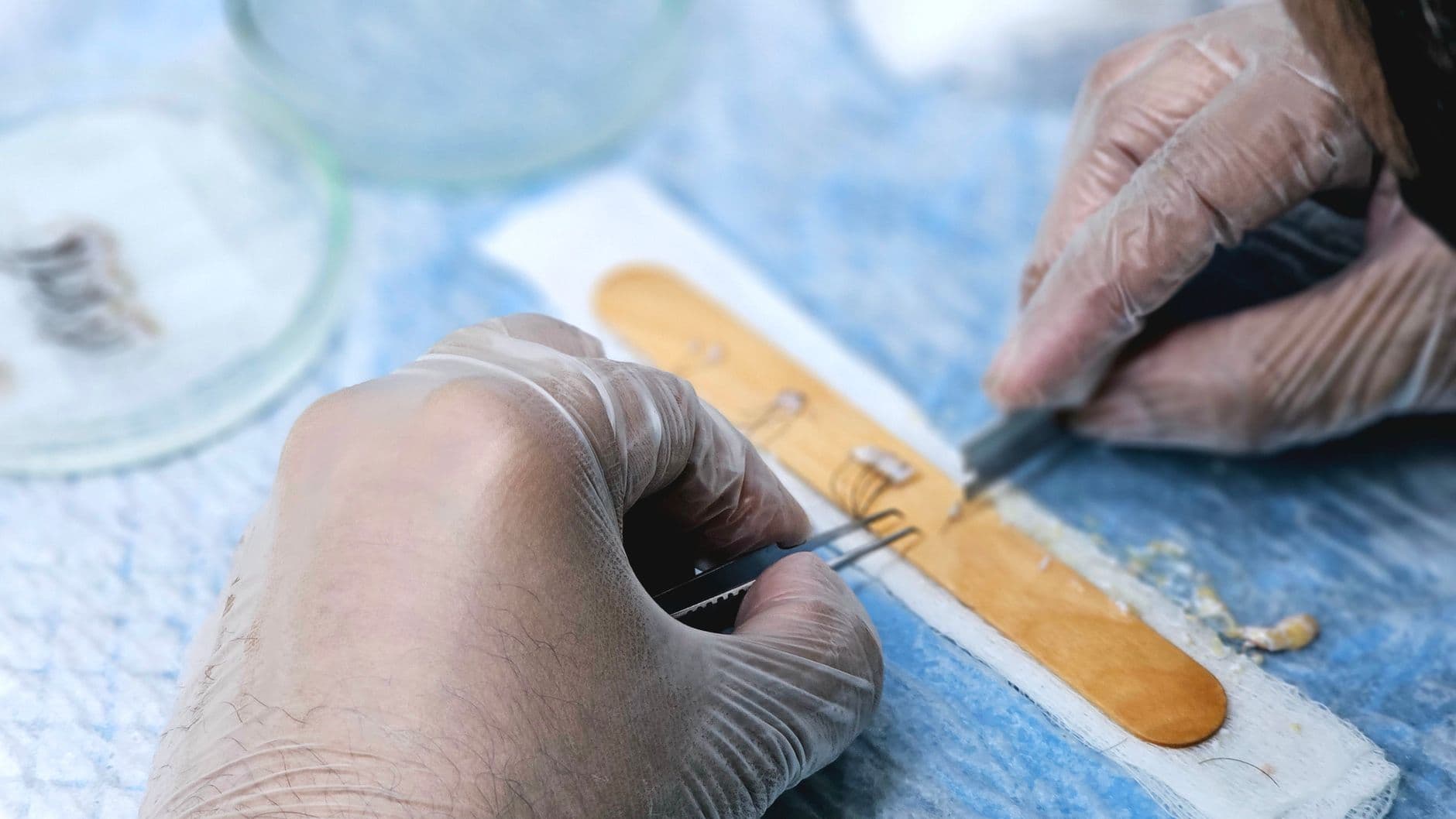
Undergoing surgical hair restoration is an important step toward regaining natural hair density, but the procedure itself represents only the beginning of the journey. During the second week following surgery, transplanted grafts finish anchoring into the scalp and the skin of the recipient area closes around them (Sweating after hair transplant: when it's safe | Body Specialist). In the earliest days of this phase, follicles are held in place solely by physiological fibrin (Washing Hair After Transplant: Clinical Day-by-Day Guide). Mechanical tugging on a hair can extract the graft during the first two days (Sweating after hair transplant: when it's safe | Body Specialist), and tearing off an adherent scab that clings to the skin risks removing the underlying follicle through Day 5 (Sweating after hair transplant: when it's safe | Body Specialist).
For women and men living in Pune, post-procedure recovery also involves adapting to local environmental realities. Navigating the city's warmer daytime temperatures, elevated humidity during monsoon transitions, and common urban dust encountered while commuting between areas like Kalyani Nagar, Koregaon Park, or Viman Nagar in Pune requires proactive scalp hygiene. Sweat left sitting on the scalp can trigger folliculitis, an inflammatory reaction around hair follicles that produces spots at the base of transplanted hairs (Sweating after hair transplant: when it's safe | Body Specialist).
Achieving an optimal outcome requires moving away from unverified home remedies, salon treatments, or aggressive self-cleaning routines. Instead, patients benefit most from a structured, medically supervised aftercare protocol. Understanding the biological timeline of graft healing, learning gentle washing techniques, maintaining proper nocturnal posture, and planning scheduled dermatological reviews will safeguard your grafts and set the foundation for healthy, sustained hair regrowth.
Hair Transplant Aftercare: Protecting Delicate Grafts and Nighttime Positioning
In the immediate aftermath of hair restoration, newly placed follicular units are held in place solely by a delicate web of physiological fibrin during the first 48 to 72 hours (Washing Hair After Transplant: Clinical Day-by-Day Guide). Clinical research indicates that during the first two days, tugging on a transplanted hair consistently extracts the underlying graft (Sweating after hair transplant: when it's safe | Body Specialist). Adherent scabs that cling to the skin surface extend this mechanical risk window through Day 5 (Washing Hair After Transplant: Clinical Day-by-Day Guide), meaning that tearing off an adherent scab removes the graft underneath until Day 5 inclusive (Sweating after hair transplant: when it's safe | Body Specialist). By Day 6, pulling on a hair no longer dislodges the graft (Washing Hair After Transplant: Clinical Day-by-Day Guide). By Day 9, grafts cannot be pulled out (Sweating after hair transplant: when it's safe | Body Specialist). Collagen stabilizes follicles by Days 10 to 14 (Washing Hair After Transplant: Clinical Day-by-Day Guide). During the second week, the grafts finish anchoring into the recipient scalp skin, and after two weeks, sweat from moderate effort no longer threatens their hold (Sweating after hair transplant: when it's safe | Body Specialist).
Because physical contact poses a direct risk during the initial week, nighttime positioning requires strict adherence to clinical guidelines. Patients should sleep with their upper body elevated at roughly 30 to 45 degrees to minimise oedema and prevent any contact between pillows and the recipient area (Washing Hair After Transplant: Clinical Day-by-Day Guide). Sleeping on the back with the head raised at approximately 45 degrees using a neck pillow is recommended for the first 10 nights to prevent nocturnal friction and graft dislodgement (How to Sleep After a Hair Transplant | Sule Hair Clinic). Patients should raise the upper body, not just the head, by using two pillows behind the shoulders, a wedge cushion, or a reclining chair (How to Sleep After a Hair Transplant | Sule Hair Clinic). The ring of a neck pillow supports the neck while the back of the head rests inside the opening rather than resting against the cushion surface (How to Sleep After a Hair Transplant | Sule Hair Clinic). From Night 11, patients can move to a normal pillow and return to side sleeping gradually, while sleeping face-down comes last (How to Sleep After a Hair Transplant | Sule Hair Clinic).
Upper body elevation also plays an essential medical role in managing post-operative oedema (Washing Hair After Transplant: Clinical Day-by-Day Guide). Fluid from the local anaesthetic solution moves down towards the forehead and eyes over the first days (How to Sleep After a Hair Transplant | Sule Hair Clinic). Sleeping at roughly 45 degrees keeps this fluid from settling in the face overnight, which helps swelling remain milder and pass faster (How to Sleep After a Hair Transplant | Sule Hair Clinic). Post-operative facial swelling typically reaches its peak on Days 2 to 3 across the forehead, may reach the eyes, and mostly resolves by Days 6 to 7 (How to Sleep After a Hair Transplant | Sule Hair Clinic). Significant swelling in the forehead area can also last for 4 to 5 days before taking its course (Hair Transplantation Expands Beyond the Scalp: Eyebrows, Beard, and…). Maintaining upper body elevation during the initial recovery window assists natural fluid drainage and prevents facial puffiness from worsening (Washing Hair After Transplant: Clinical Day-by-Day Guide, How to Sleep After a Hair Transplant | Sule Hair Clinic).
Safe Scalp Hygiene and Scab Softening Protocol
Scalp hygiene requires careful, methodical handling following hair restoration. The surgical sites must be kept clean, but cleansing must be performed without disturbing newly implanted follicles. Post-transplant scabs typically appear within two to three days after surgery (Sweating after hair transplant: when it's safe | Body Specialist). Following a structured washing protocol allows crusts to soften and shed naturally without traumatising the underlying tissue.
Days 3 to 5: Passive Cup-Pour Cleansing
Between Days 3 and 5, recipient scalp washing begins using a hands-free cup-pour method (Washing Hair After Transplant: Clinical Day-by-Day Guide). Direct water pressure from a showerhead and direct contact with the recipient grafts must be strictly avoided (Washing Hair After Transplant: Clinical Day-by-Day Guide). Patients should follow this controlled protocol:
- Fill a clean cup with lukewarm water (Washing Hair After Transplant: Clinical Day-by-Day Guide).
- Dilute a gentle shampoo into lukewarm water rather than applying cleanser directly to grafts (Washing Hair After Transplant: Clinical Day-by-Day Guide).
- Gently pour the lukewarm water and diluted cleanser over the recipient area from a low height using a hands-free technique (Washing Hair After Transplant: Clinical Day-by-Day Guide).
- Rinse by gently pouring clean lukewarm water over the recipient area from a low height without direct shower pressure (Washing Hair After Transplant: Clinical Day-by-Day Guide).
- Allow the scalp to dry naturally without rubbing, keeping the recipient grafts untouched by towels or fabrics.
Days 6 to 10: Emollient Application and Crust Removal
From Day 6 onward, applying an emollient such as Panthenol lotion or a clinic-recommended moisturiser to the scalp 30 to 60 minutes before washing softens adherent scabs (Washing Hair After Transplant: Clinical Day-by-Day Guide). When rinsing, patients should transition from passive pouring to gentle circular motions using only the soft pads of their fingertips (Washing Hair After Transplant: Clinical Day-by-Day Guide). Under no circumstances should fingernails, scratching, or picking be permitted (Washing Hair After Transplant: Clinical Day-by-Day Guide). Tearing off an adherent scab that still clings to the skin removes the graft beneath it through Day 5 (Sweating after hair transplant: when it's safe | Body Specialist). With suitable care, scabs generally fall off between Day 7 and Day 10 (Sweating after hair transplant: when it's safe | Body Specialist).
Hair Transplant Aftercare in Pune: Managing Perspiration and Folliculitis
Pune's climate presents specific considerations for post-transplant recovery. In a city with warm daytime temperatures throughout much of the year, ambient warmth and urban commuting can prompt scalp perspiration. Sweat left sitting on the scalp brings an important clinical concern: folliculitis (Sweating after hair transplant: when it's safe | Body Specialist).
Folliculitis is an inflammatory reaction around hair follicles that produces spots, sometimes with a white head, at the base of transplanted hairs (Sweating after hair transplant: when it's safe | Body Specialist). It mostly appears between the first and fourth weeks following hair transplantation, with surgical procedures performed in warm conditions identified as an established risk factor (Sweating after hair transplant: when it's safe | Body Specialist). Monitoring for any early signs of follicular inflammation is therefore an essential component of post-procedure care.
To keep the scalp calm and balanced, patients in Pune should implement practical environmental precautions during their first month of recovery:
- Avoid heavy physical exertion and excessive sweating during the initial healing period; during the second week, grafts finish anchoring and sweat from moderate effort no longer threatens their hold (Sweating after hair transplant: when it's safe | Body Specialist).
- Spend time in cool, shaded indoor spaces during peak daytime heat, reducing unnecessary sun and heat exposure while commuting across Pune.
- Avoid restrictive headwear or friction across the recipient zone during the initial fortnight, keeping the scalp open to air unless a very loose cover that avoids all graft contact is medically advised.
- Watch for spots, sometimes with a white head, appearing at the base of transplanted hairs, which signal folliculitis (Sweating after hair transplant: when it's safe | Body Specialist).
- Report any pustules or worsening scalp inflammation directly to your treating dermatologist for clinical guidance rather than attempting self-treatment.
Understanding Post-Procedure Shedding and Follicle Cycles
Following surgery, patients commonly encounter post-operative shedding, referred to clinically as shock loss (Shock Loss (Shedding) After Hair Transplant: What To Know). Between Weeks 2 and 4 following the procedure, temporary shedding of transplanted hairs typically begins (Washing Hair After Transplant: Clinical Day-by-Day Guide). Loose hairs found on a pillow or in rinse water a few weeks after the procedure reflect this normal shedding phase of transplanted hair (Sweating after hair transplant: when it's safe | Body Specialist). This occurrence can cause concern, but it reflects a normal shedding phase rather than graft failure (Washing Hair After Transplant: Clinical Day-by-Day Guide, Sweating after hair transplant: when it's safe | Body Specialist).
Shock loss occurs when follicles temporarily enter a resting phase in response to the surgical stress experienced during transplantation (Shock Loss (Shedding) After Hair Transplant: What To Know). Contributing factors include the temporary interruption of follicular blood flow during extraction and implantation, local tissue swelling or inflammation as part of the healing response, and tension or trauma to nearby existing hairs (Shock Loss (Shedding) After Hair Transplant: What To Know). Post-transplant follicles often shift prematurely into the telogen resting phase, causing the hair shaft to shed, while the root structures remain intact beneath the skin (Shock Loss (Shedding) After Hair Transplant: What To Know). Patients should also recognise this as anagen effluvium, an expected physiological occurrence (Washing Hair After Transplant: Clinical Day-by-Day Guide).
Understanding the clinical timeline of follicle re-emergence helps maintain realistic expectations over the course of the recovery year:
- Weeks 2 to 4: Shedding begins as transplanted hairs shed over several weeks and follicles transition into a temporary resting phase (Shock Loss (Shedding) After Hair Transplant: What To Know, Hair Transplantation Expands Beyond the Scalp: Eyebrows, Beard, and…).
- Months 1 to 2: Follicles rest for about 2 months following the procedure, signifying that they are preparing for new growth (Shock Loss (Shedding) After Hair Transplant: What To Know).
- Months 3 to 4: New growth begins at 3 to 4 months (Washing Hair After Transplant: Clinical Day-by-Day Guide). Regrowth typically starts around 3 months post-procedure, initially appearing like baby hairs (Shock Loss (Shedding) After Hair Transplant: What To Know).
- Months 6 to 9: Substantial, visible hair growth develops across the treated areas (Hair Transplantation Expands Beyond the Scalp: Eyebrows, Beard, and…).
- Months 12 to 18: Full results of the hair transplant develop, reaching final clinical maturity between 12 and 18 months (Washing Hair After Transplant: Clinical Day-by-Day Guide, Shock Loss (Shedding) After Hair Transplant: What To Know).
Long-Term Density Maintenance and Complementary Dermatological Care
A hair transplant relocates healthy donor follicles to areas of thinning, but it does not eliminate the need for ongoing medical care to prevent further hair loss (Hair Transplantation Expands Beyond the Scalp: Eyebrows, Beard, and…). Patients are often advised to use supportive medical therapies, supplements, or adjunctive clinical options such as PRP to help maintain results and limit future loss (Hair Transplantation Expands Beyond the Scalp: Eyebrows, Beard, and…). Regular clinical follow-ups with an experienced dermatologist ensure that your overall scalp health and native hair density are monitored over time.
To facilitate recovery and lessen post-surgical shedding, some surgeons may recommend adding Platelet-Rich Plasma (PRP) therapy or anti-inflammatory medications immediately after surgery to support early healing and reduce the extent of temporary shedding (Shock Loss (Shedding) After Hair Transplant: What To Know). Used as an adjunctive treatment alongside ongoing dermatological management, PRP helps patients maintain long-term results and limit future loss across the scalp (Hair Transplantation Expands Beyond the Scalp: Eyebrows, Beard, and…).
Furthermore, many patients seek to coordinate hair restoration with comprehensive facial and skin aesthetic treatments. Managing overall skin health—such as undergoing medical acne treatment or acne scar treatment for blemishes near the temple and forehead margins—requires careful clinical planning so active topical formulations or procedural tools do not irritate healing micro-incisions. Similarly, those pursuing laser hair reduction for beard shaping or neck clean-ups must ensure laser energy is strictly directed away from newly placed hair margins. A qualified medical dermatologist can safely schedule these complementary treatments around your hair restoration timeline, ensuring healthy skin and graft protection.
Personalised Clinical Guidance at Skin Essence
The long-term success of hair restoration depends on consistent care during the first fortnight. Carefully following gentle washing protocols, maintaining elevated sleep posture, managing sweat and heat, and staying patient through normal shedding will protect newly placed grafts as they anchor and mature. For patients recovering in Pune, ongoing supervision by an experienced medical specialist ensures healing remains on track.
At Skin Essence in Kalyani Nagar, Pune, Dr. Daksha Patel, MBBS, MD (Skin & VD), provides comprehensive dermatological consultations and hair loss treatments, including hair transplant and PRP hair treatment. Every treatment plan is planned by the dermatologist around the patient's skin type and goals, ensuring that medical dermatology and procedural aftercare support healthy scalp recovery.
Frequently asked questions
When can I wash my hair after a hair transplant?
Recipient scalp washing begins between Days 3 and 5 using a hands-free cup-pour technique with diluted gentle shampoo and lukewarm water, avoiding direct shower pressure. From Day 6 onward, an emollient can be used to soften scabs, and gentle circular motions with fingertip pads may be introduced.
How should I sleep after undergoing a hair transplant?
Patients should sleep on their back with the upper body elevated at roughly 30 to 45 degrees using a neck pillow for the first 10 nights. This positioning prevents nocturnal friction against the recipient area and helps drain fluid from local anaesthetic solutions to reduce facial swelling.
Why does hair shed a few weeks after a transplant?
Temporary shedding between Weeks 2 and 4, known as shock loss or anagen effluvium, is a normal response to surgical stress. While the hair shafts shed as follicles temporarily enter a resting phase, the underlying follicular root structures remain intact beneath the skin to produce new growth starting around Months 3 to 4.
How does Pune's climate affect hair transplant recovery?
Warm daytime temperatures and urban commuting in Pune can trigger scalp perspiration, which risks causing folliculitis—an inflammation producing spots at the base of transplanted hairs. Patients should avoid heavy exertion, stay in cool shaded areas, and keep the scalp clean and ventilated during the initial weeks.
This information is general and not a substitute for a consultation. Results vary from person to person.