
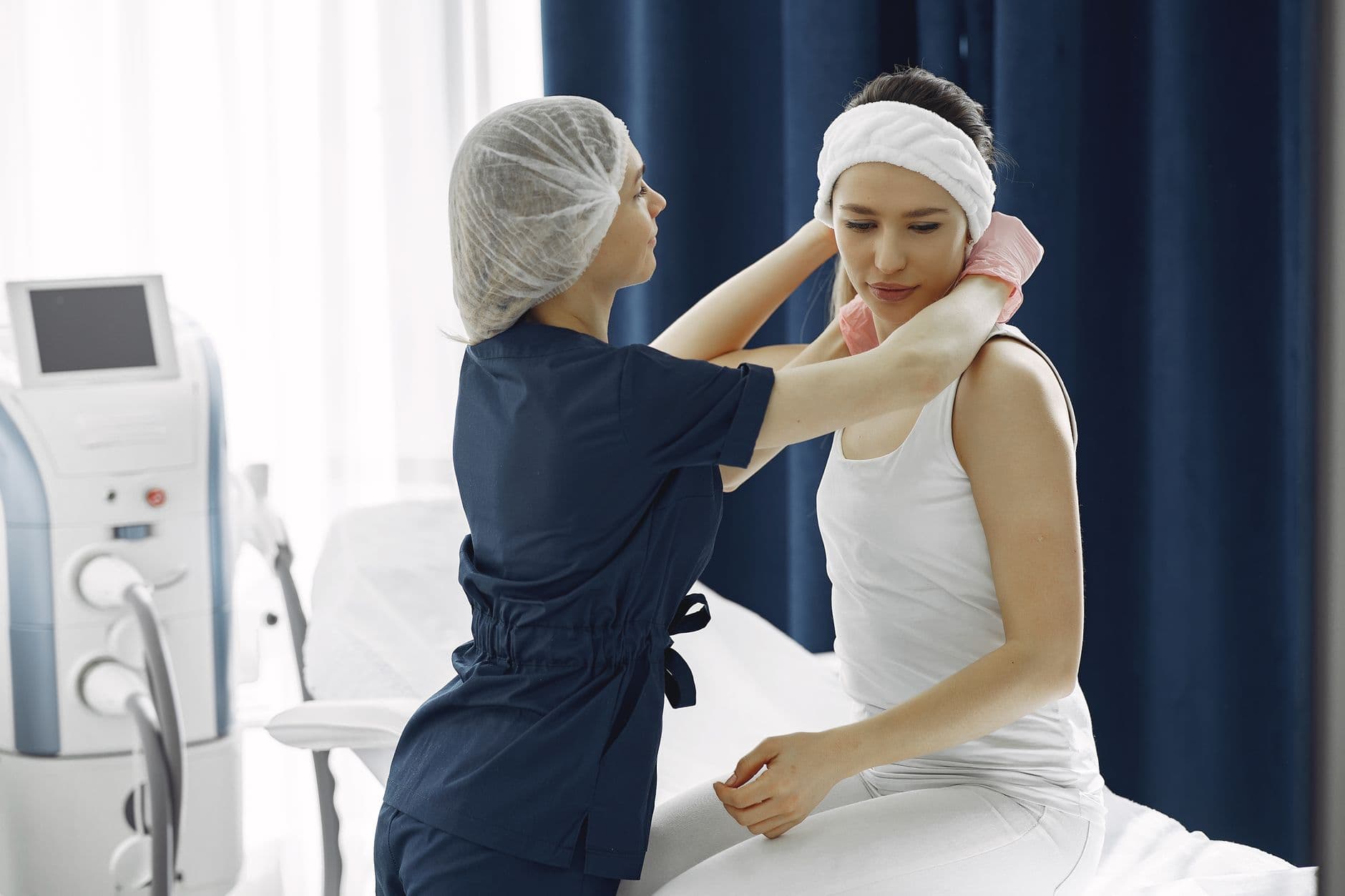
For many working professionals in Pune, hair thinning often comes at a busy stage of life. Demanding work hours, daily travel through city traffic, and seasonal changes all add stress to the body. You might see a wider parting, a receding hairline, or more strands on your pillow each morning. Noticing hair loss can be unsettling. Many people want to explore medical care, but stepping into a clinic without knowing what happens can make them hesitate.
Platelet-rich plasma, or PRP, is a widely used clinical procedure for pattern thinning and hair shed. In simple terms, PRP involves drawing a small amount of your blood, placing it into a machine that separates it into parts, and then injecting the plasma component into the area with hair loss (Hair loss: Diagnosis and treatment). Because it uses your own blood, the procedure works naturally with your body.
This guide provides a clear walkthrough of what happens before, during, and after a clinical session in Pune. We cover scalp preparation, blood separation, injection comfort, and simple home care. Knowing the clinical facts helps you approach hair restoration with calm confidence.
How PRP Hair Treatment Supports Miniaturised Hair Follicles
To understand how PRP works, it helps to look at what happens under the scalp during thinning. The most common cause of hair loss is androgenetic alopecia. In this condition, hair roots shrink over time. Doctors call this process follicular miniaturisation. As roots shrink, they produce finer, shorter, and weaker hairs. Eventually, these follicles can stop producing visible hair altogether.
PRP therapy works by using the plasma portion of your blood. In dermatological care, this plasma contains platelets packed with natural growth factors. When placed near thinning hair roots, these factors provide biological support to sluggish follicles. They help nourish hair roots and support their natural growth cycle.
A clear benefit of this approach is that it uses your own biological material. Because the plasma comes directly from your body, your tissues accept it easily. This greatly lowers the chance of allergic reactions.
Honest expectations are vital for any medical procedure. PRP is designed to strengthen, stabilise, and support miniaturised, struggling hair roots. It cannot bring back areas where roots have been missing for decades. It is a biological therapy meant to slow shedding and build hair density, not an overnight cure. A qualified dermatologist will always assess your scalp first to confirm whether living roots remain before recommending treatment.
Pre-Treatment Preparation: Scalp Hygiene and Hydration Guidelines
A smooth clinical visit starts with basic preparation at home. Simple steps ensure your scalp is clean and make blood collection easy for the clinical team.
Key preparation guidelines include:
- Wash your hair on the morning of your visit: Use a gentle shampoo to wash away oil, sweat, and road dust from Pune traffic. A clean scalp provides a fresh base for clinical injections.
- Drink plenty of water: Stay well-hydrated during the 24 hours before your session. Good hydration supports healthy blood volume, which makes the blood draw quick and smooth.
- Pause chemical treatments: Avoid hair dye, bleaching, or chemical straightening for a few days before your session to keep your scalp free from irritation.
- Skip heavy styling products: Do not use hair gels, waxes, heavy oils, or styling sprays on the day of your appointment. These leave residues on the scalp surface.
If you are dealing with other skin concerns, such as facial acne or skin sensitivity, mention them during your visit. Making sure your skin barrier is calm helps the medical team plan your care safely.
Step 1 in the Clinic: Safe Blood Collection and Separation Standards
When you arrive in the procedure room, the session starts with a simple blood draw. A clinical professional draws a small amount of your blood (Hair loss: Diagnosis and treatment). The amount taken is modest, similar to a regular blood test, and the collection takes only a couple of minutes.
Next, the tube is placed into a machine that separates the blood into parts (Hair loss: Diagnosis and treatment). This spinning device is called a centrifuge. It rotates at controlled speeds to separate blood components by weight:
- Red blood cells settle at the bottom of the tube.
- A thin middle layer holds platelets and white blood cells.
- The top layer holds the amber-coloured plasma.
Under medical supervision, the doctor isolates the plasma layer. Clinical staff use sterile, single-use equipment to keep the sample clean. This careful handling maintains platelet quality before injection.
Step 2 in the Clinic: Scalp Delivery, Sensation, and Comfort Measures
Many patients worry about discomfort during scalp injections. Good clinics take clear steps to keep you comfortable. Before injections begin, the doctor cleanses your scalp with an antiseptic wash. They then apply local numbing cream or cooling aids to numb the skin surface.
Once the scalp is numbed, the doctor injects the plasma into the area with hair loss (Hair loss: Diagnosis and treatment). The doctor spaces these micro-injections across target thinning zones, such as the crown or hairline. Most patients describe the feeling as mild pressure or small pinpricks rather than sharp pain.
The entire procedure takes about 10 minutes (Hair loss: Diagnosis and treatment). Because the injection process is focused and direct, it fits easily into a normal day.
In some clinical plans, dermatologists combine this therapy with other methods. Studies show that using microneedling along with platelet-rich plasma helps improve hair growth (Hair loss: Diagnosis and treatment). Your doctor will decide if this combination matches your scalp profile.
Sensible Scalp Aftercare: Protecting Your Scalp in the First 48 Hours
A major advantage of PRP therapy is that it usually does not require any downtime (Hair loss: Diagnosis and treatment). Most patients return to office work or regular routines right after their appointment.
After the session, mild scalp tenderness, slight redness, or scalp tightness is normal. These sensations are temporary and usually fade within one or two days. Simple aftercare steps help protect your scalp:
- Keep your scalp dry: Avoid washing your hair or getting your head wet for 12 to 24 hours so injection points can close cleanly.
- Do not scratch or rub: Keep your hands away from treated areas to avoid introducing dirt or bacteria.
- Protect your head on Pune roads: If you ride a two-wheeler, avoid wearing a tight, unwashed helmet right after the session. Cover your head loosely with a clean cotton scarf to shield against sun and road dust.
- Pause hard workouts: Avoid heavy gym exercise, steam baths, and saunas for 48 hours. Heavy sweating can irritate the sensitive scalp.
PRP Hair Treatment Schedules and Realistic Timelines
A single clinical session cannot reverse hair thinning. Hair grows in natural phases, including growth, resting, and shedding stages. Repeated sessions are needed to stimulate roots across their natural cycles.
Treatment schedules depend on your clinical assessment. In clinical research, an initial consolidation phase may involve administering PRP once a month for 3 to 4 months (jcasonline.com). Under general dermatological guidance, most patients return once a month for 3 months, followed by maintenance visits once every 3 to 6 months (Hair loss: Diagnosis and treatment). In certain rotational schedules, maintenance PRP is given once every 3 months (jcasonline.com).
Understanding the timeline for visible progress helps you stay patient:
- Months 1 to 3: Within the first few months of treatment, you may notice that you are losing less or minimal amounts of hair (Hair loss: Diagnosis and treatment). A drop in daily hair fall is often the first sign of progress.
- Months 4 to 6: As hair cycles advance, strands often feel thicker and thinning patches look gradually fuller.
- Ongoing maintenance: Regular maintenance visits help support hair density and keep follicles active over time.
Every person responds differently based on age, genetics, and scalp health. Ethical dermatological care never promises fixed outcomes. PRP should be seen as an ongoing management plan to support your hair rather than a single lifelong solution.
Choosing Dermatologist-Led PRP Hair Treatment in Pune
Managing hair loss starts with an accurate medical diagnosis. Hair fall can stem from nutritional gaps, thyroid changes, physical stress, or genetic thinning. Relying on random hair oils or salon packages often delays proper care. Consulting an MD dermatologist ensures your scalp is evaluated correctly so PRP is used only when it suits your needs.
Visiting a medical dermatology clinic also lets you combine hair care with your broader skin health goals. Many patients in Pune combine hair restoration with procedures like acne treatment, acne scar treatment, or laser hair removal. Having one doctor supervise your care ensures each treatment matches your skin type and health history.
At Skin Essence in Kalyani Nagar, Pune, hair and cosmetic treatments are led by Dr. Daksha Patel, an experienced MD dermatologist and cosmetologist. Rather than using fixed charts, Dr. Patel evaluates each patient's hair density and scalp health to design an individualised plan. Whether you need help with early thinning, acne scars, or laser care, choosing doctor-led care in Kalyani Nagar gives you calm, honest, and medically grounded support.
Frequently asked questions
How long does a PRP hair treatment session take?
The blood draw takes only a couple of minutes, and the micro-injections take about 10 minutes, making the entire procedure quick to fit into a normal day.
Is there downtime after PRP hair treatment?
PRP therapy usually does not require downtime, allowing most patients to return to office work or daily activities right after the session.
How many PRP sessions are typically needed to see results?
Treatment usually begins with sessions once a month for 3 to 4 months, followed by maintenance visits every 3 to 6 months. Reduced shedding is typically noticed in the first few months, followed by improved thickness around 4 to 6 months.
What aftercare should I follow in the first 48 hours?
Avoid washing your hair for 12 to 24 hours, do not scratch or rub the scalp, skip intense workouts and saunas for 48 hours, and protect your head loosely with a clean scarf instead of a tight helmet on Pune roads.