
For many working professionals in Pune, maintaining a disciplined fitness regimen and balanced diet is an established part of daily life. However, even with regular workouts at local fitness centres and careful nutritional habits, certain pockets of subcutaneous fat frequently resist change. Localised bulges around the lower abdomen, flanks, or inner thighs often persist due to genetic fat distribution and metabolic factors that general exercise cannot isolate. This biological reality has driven growing interest among men and women in Pune in non-invasive body contouring treatments that avoid surgical downtime, incisions, or general anaesthesia.
Cryolipolysis, commonly known as fat freezing, offers a clinically proven method for reducing these targeted fat pockets (Cryolipolysis | Nonsurgical Fat Reduction | ASPS). Rather than acting as a tool for overall weight reduction, the procedure is engineered specifically to sculpt and debulk distinct subcutaneous deposits (Cryolipolysis | Nonsurgical Fat Reduction | ASPS, Fat Freezing (Cryolipolysis)). By understanding the physiological mechanisms behind controlled cooling and the body's natural cellular clearance pathways, individuals can establish realistic aesthetic expectations before scheduling a clinical evaluation in Kalyani Nagar, Pune.
The Science of Controlled Cooling: How Cryolipolysis Triggers Adipocyte Apoptosis
The foundation of cryolipolysis lies in the differing thermal sensitivities of human tissue types. Lipid-rich adipocytes (fat cells) are significantly more susceptible to cold-induced injury than surrounding water-rich structures, such as dermal tissue, epidermal layers, blood vessels, and motor nerves (Cryolipolysis | Nonsurgical Fat Reduction | ASPS, Fat Freezing (Cryolipolysis), Cryolipolysis: a review of published clinical data, 20 Maximizing Safety with Cryolipolysis). When exposed to sustained low temperatures, intracellular lipids crystallise, initiating cellular distress without freezing the surrounding skin (Cryolipolysis | Nonsurgical Fat Reduction | ASPS, Cryolipolysis: a review of published clinical data, 20 Maximizing Safety with Cryolipolysis).
Clinical devices deliver controlled thermal cooling within a precise therapeutic range between -11°C and 5°C, safely reducing tissue temperatures below 4°C to trigger cellular changes without causing epidermal frostbite (Cryolipolysis: a review of published clinical data, 20 Maximizing Safety with Cryolipolysis). This cooling process induces cellular oedema, local cold-induced ischaemia, and the release of mitochondrial free radicals within the adipocyte (Cryolipolysis: a review of published clinical data, 20 Maximizing Safety with Cryolipolysis).
These physiological stresses activate apoptosis, the natural process of programmed cell death (Cryolipolysis: a review of published clinical data, 20 Maximizing Safety with Cryolipolysis). Because the cooling curve is calibrated strictly to the susceptibility threshold of lipid cells, the overlying dermis, nerve fibres, vascular networks, and underlying muscle tissues remain uninjured and structurally intact throughout the procedure (Fat Freezing (Cryolipolysis), 20 Maximizing Safety with Cryolipolysis).
Targeted Contouring Versus Weight Loss: Evaluating Candidate Suitability
A vital step in assessing cryolipolysis is distinguishing focal body contouring from medical weight loss. Cryolipolysis does not treat systemic obesity and will not produce dramatic shifts on a weighing scale (Fat Freezing (Cryolipolysis), Cryolipolysis: a review of published clinical data). Instead, it functions as an aesthetic contouring procedure that reshapes localised, pinchable subcutaneous fat deposits that remain recalcitrant to diet and active routines (Cryolipolysis | Nonsurgical Fat Reduction | ASPS, Fat Freezing (Cryolipolysis)).
Clinical studies demonstrate that a single cryolipolysis session typically yields an average reduction of 15 to 28 percent of the subcutaneous fat layer in a treated pocket (Fat Freezing (Cryolipolysis), 20 Maximizing Safety with Cryolipolysis). Common anatomic zones cleared for treatment include:
- Abdomen: Targeting stubborn lower or upper abdominal bulges that resist core workouts (20 Maximizing Safety with Cryolipolysis).
- Flanks: Contouring the lateral waistline, commonly referred to as love handles (20 Maximizing Safety with Cryolipolysis).
- Thighs: Reducing localized fullness along the inner or outer thigh lines (20 Maximizing Safety with Cryolipolysis).
Ideal candidates are individuals who are close to their stable target weight and possess adequate skin elasticity alongside distinct, pliable fat layers (Fat Freezing (Cryolipolysis), Cryolipolysis: a review of published clinical data). During a clinical consultation, a dermatologist evaluates whether the targeted bulge consists of pinchable subcutaneous fat rather than deeper, intra-abdominal visceral fat, which cannot be addressed with surface cooling.
The Treatment Experience: Sensations, Suction, and Post-Procedure Massage
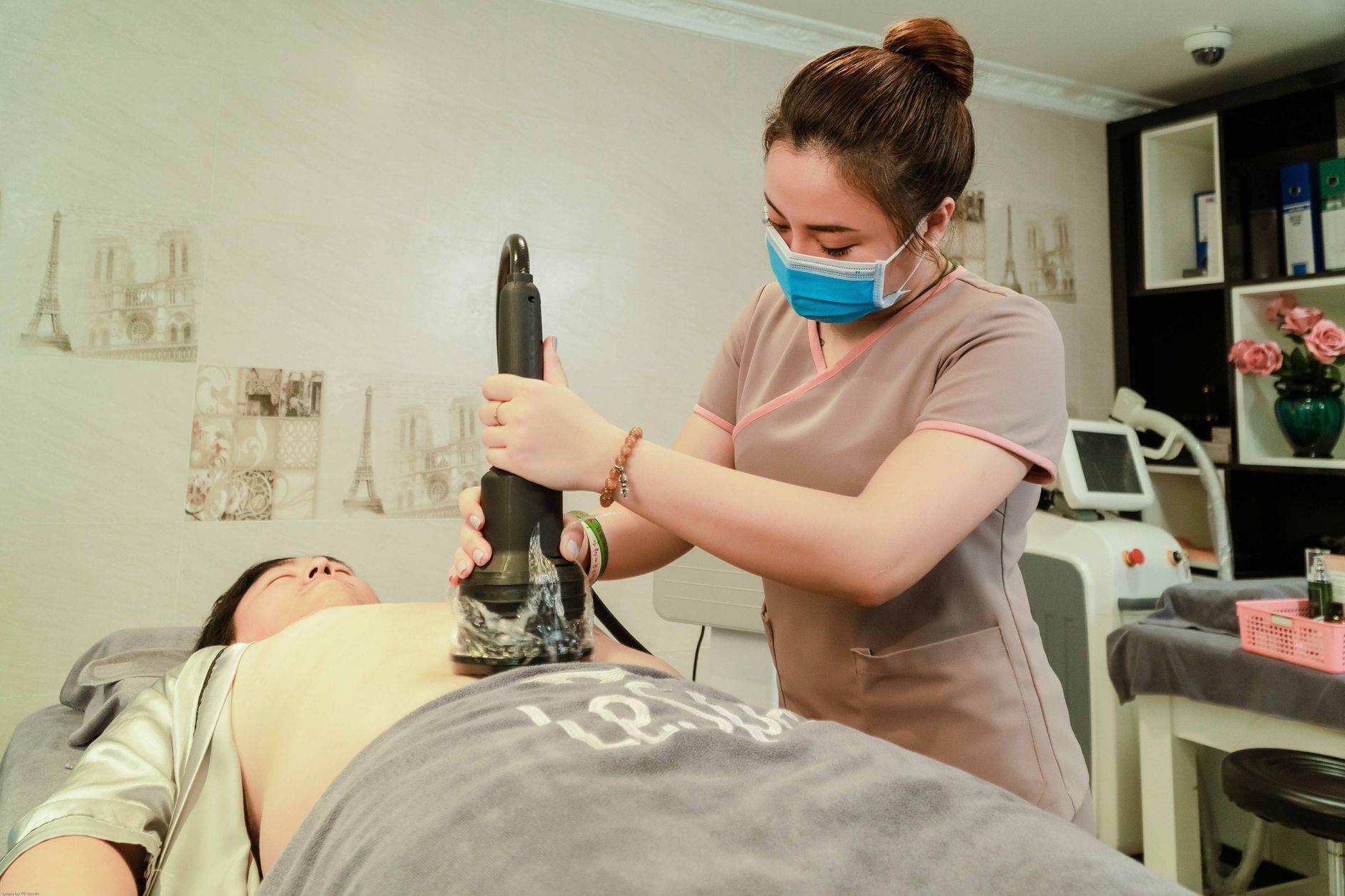
Knowing what occurs during an in-clinic session helps patients approach body contouring with confidence. The procedure begins as a specialized hollow cup applicator is positioned over the target zone, utilizing moderate vacuum suction to draw the subcutaneous tissue securely between cooling panels (Cryolipolysis | Nonsurgical Fat Reduction | ASPS, Cryolipolysis: a review of published clinical data).
Each treatment zone typically requires approximately 45 minutes of active thermal application (Cryolipolysis: a review of published clinical data). Patients generally experience a predictable sequence of physical sensations during this period:
- First 5 to 10 minutes: A firm pulling or tugging sensation from the vacuum suction, accompanied by intense localized cold, tingling, stinging, or mild aching (Fat Freezing (Cryolipolysis), Cryolipolysis: a review of published clinical data).
- Mid-session: As the cooling reaches therapeutic levels, the treatment site becomes entirely numb, allowing patients to relax, read, or work on mobile devices comfortably (Cryolipolysis | Nonsurgical Fat Reduction | ASPS, Fat Freezing (Cryolipolysis)).
- Immediate post-cooling: When the applicator is removed, the treated fat layer temporarily retains a firm, chilled shape.
Immediately upon applicator removal, the clinician performs a mandatory two-minute manual massage (Cryolipolysis: a review of published clinical data). This vigorous tissue massage breaks down the crystallised lipid structures, enhancing cellular reperfusion injury and encouraging optimal cellular destruction (Cryolipolysis: a review of published clinical data). While this brief massage can cause transient tenderness, it is an essential clinical component for maximizing overall treatment efficacy (Cryolipolysis: a review of published clinical data).
Metabolic Clearance Timelines: How the Body Processes Crystallized Fat
Because cryolipolysis relies on natural apoptosis rather than immediate surgical extraction, results develop gradually in tandem with the immune system's biological cleanup mechanisms (Fat Freezing (Cryolipolysis), Cryolipolysis: a review of published clinical data). Damaged adipocytes do not vanish overnight; they undergo an orderly breakdown and clearance process managed by the body's white blood cells (Fat Freezing (Cryolipolysis), Cryolipolysis: a review of published clinical data).
The physiological timeline following a session unfolds over several distinct phases:
- Days 1 to 14: Cellular signalling pathways initiate an inflammatory cascade. Inflammatory cells begin gathering around the crystallised adipocytes around day 14 (Cryolipolysis: a review of published clinical data).
- Days 14 to 30: Macrophages, specialised immune cells, actively envelop and digest the non-viable fat cells and cellular debris through phagocytosis (Fat Freezing (Cryolipolysis), Cryolipolysis: a review of published clinical data).
- Week 3 to Month 2: Early visual changes often become detectable around week 3, with noticeable volumetric reductions visible by the second month as local inflammation subsides (Fat Freezing (Cryolipolysis), Cryolipolysis: a review of published clinical data).
- Months 3 to 6: The lymphatic system continues to transport processed lipid debris through natural metabolic pathways, with final contour stabilization typically completing over 4 to 6 months (Cryolipolysis | Nonsurgical Fat Reduction | ASPS, Fat Freezing (Cryolipolysis), 20 Maximizing Safety with Cryolipolysis).
Establishing an honest timeline prevents post-procedure impatience. Because clearance depends entirely on natural cellular turnover, maintaining balanced hydration and daily physical activity supports normal metabolic and lymphatic function throughout the recovery phase.
Coordinating Aesthetic Goals: Aligning Body Contouring with Clinical Skin Care
Many individuals in Pune balance demanding professional schedules and prefer coordinating aesthetic and dermatological care within unified clinical visits. Because cryolipolysis is an entirely non-invasive, localized procedure with zero systemic downtime, it can easily be scheduled alongside routine dermatological maintenance.
For instance, patients undergoing a multi-session regimen for laser hair reduction can readily combine body contouring appointments on the same day, optimizing their clinic visits. Similarly, facial concerns such as ongoing acne treatment or clinical acne scar treatment operate through completely distinct physiological mechanisms, meaning surface skin rejuvenation and deep subcutaneous cooling can proceed simultaneously without interactive risks.
A comprehensive consultation with a qualified dermatologist ensures that each treatment modality is appropriately sequenced. The dermatologist assesses underlying tissue volume, structural skin laxity, and surface epidermal health, ensuring your personal care plan remains cohesive, safe, and tailored to your specific aesthetic goals.
Planning Your Non-Surgical Body Contouring Consultation in Pune
Cryolipolysis offers an evidence-based, clinically validated pathway to debulk exercise-resistant subcutaneous fat without surgical risk or recovery downtime (Cryolipolysis | Nonsurgical Fat Reduction | ASPS, Fat Freezing (Cryolipolysis)). By harnessing the specific thermal sensitivity of fat cells, the treatment achieves an average 15 to 28 percent layer reduction in treated focal bulges through gradual, biological clearance (Cryolipolysis | Nonsurgical Fat Reduction | ASPS, Fat Freezing (Cryolipolysis)). Achieving satisfying, natural-looking results depends on accurate candidate selection, healthy lifestyle maintenance, and patience while your body completes its cellular metabolic process (Cryolipolysis | Nonsurgical Fat Reduction | ASPS, Cryolipolysis: a review of published clinical data).
If you are considering whether non-surgical fat freezing matches your physical goals, a personalized clinical assessment can verify your candidacy and outline a structured care plan. To evaluate your options with a dermatologist, call the clinic, WhatsApp the clinic, or send an enquiry to Skin Essence in Kalyani Nagar, Pune.
Frequently asked questions
What is cryolipolysis fat reduction?
Cryolipolysis is a non-invasive body contouring procedure that exposes targeted subcutaneous fat cells to sustained, controlled cooling. This cooling induces apoptosis, or natural programmed cell death, without damaging overlying skin, nerves, or muscle tissue.
Is cryolipolysis a weight loss treatment?
No, cryolipolysis is designed for focal body contouring and reducing localized, pinchable subcutaneous fat deposits, rather than treating systemic obesity or creating significant changes on the weighing scale.
How long does it take to see results after fat freezing?
Early visual changes can begin around week three, with noticeable reductions typically seen around two months. The lymphatic system continues to clear processed lipid debris, with final contour stabilization completing over four to six months.
Why is a manual massage performed right after cryolipolysis?
Immediately after the cooling applicator is removed, a brief two-minute manual massage is performed to break down crystallised lipid structures. This enhances cellular reperfusion injury and encourages optimal cellular destruction.
This information is general and not a substitute for a consultation. Results vary from person to person.