
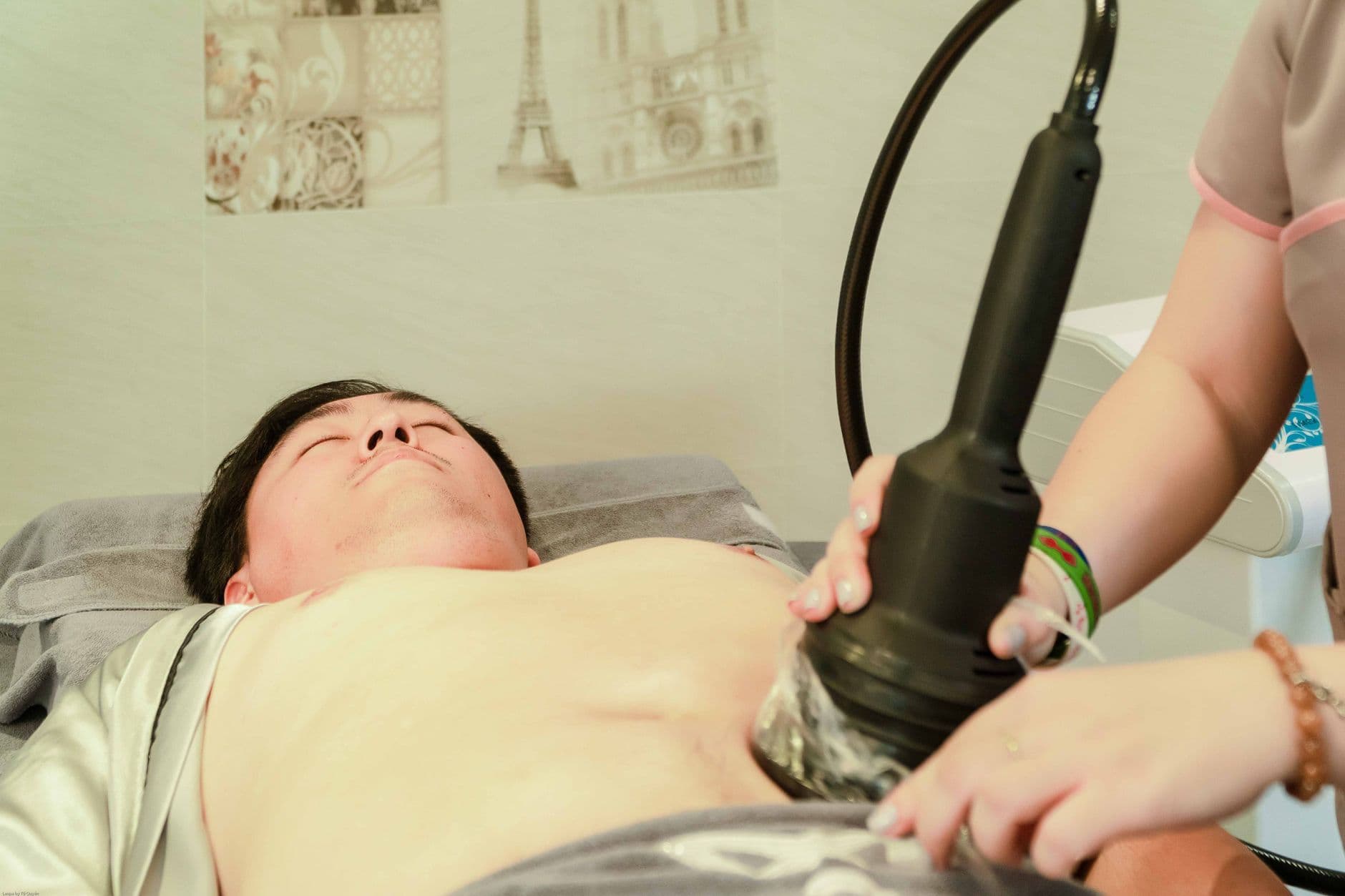
For many women and men in Pune balancing demanding professional routines in IT hubs and commercial centres with fitness goals, stubborn areas of fat can prove frustratingly persistent. Even with consistent gym sessions and careful dietary habits, certain pockets around the abdomen, flanks, or under the chin refuse to shift. In response, non-invasive body contouring has gained considerable attention as an alternative to surgical procedures.
However, there is frequent confusion regarding what these non-surgical technologies actually achieve. Commercial wellness centres and fitness salons often blur the line between overall weight management and medical body contouring. Clinically, non-invasive body contouring does not remove tissue physically from the body, will not produce generalised weight loss, and cannot treat obesity or offer the systemic health improvements associated with reducing body weight (Non-Invasive Body Contouring Technologies).
Instead, non-surgical fat reduction is a clinical dermatological intervention designed specifically for localized, subcutaneous fat bulges that do not respond to diet and exercise (Fat Freezing (Cryolipolysis)). Assessing whether an individual is an appropriate candidate requires an objective medical evaluation of skin quality, subcutaneous tissue depth, and overall medical history rather than aesthetic promises.
Fat Reduction vs. Weight Loss: Understanding the Difference
To evaluate body contouring realistically, it is essential to distinguish between biological weight loss and localized adipocyte reduction. The human body maintains a relatively stable number of fat cells (adipocytes) after adulthood. When you lose weight through a calorie deficit, regular exercise, or lifestyle modifications, your fat cells do not disappear; rather, their individual volume shrinks across the entire body.
Non-invasive fat reduction operates on a fundamentally different principle. These procedures do not extract tissue from the body, nor do they act as a treatment for obesity (Non-Invasive Body Contouring Technologies). Instead, they apply targeted physical energy—such as controlled cold, radiofrequency, or ultrasound—to induce cellular disruption within localized subcutaneous bulges (Non-Invasive Body Contouring Technologies, Cryolipolysis: a review of published clinical data). The affected fat cells are broken down and cleared by internal physiological processes, reducing the absolute number of adipocytes in that specific zone (Non-Invasive Body Contouring Technologies, Fat Freezing (Cryolipolysis)).
Because the overall volume of fat targeted is localized, patients should not expect a noticeable change on the weighing scale following treatment (Non-Invasive Body Contouring Technologies). Ideal candidates are individuals who already maintain a stable weight, follow a nutritious diet, engage in regular exercise, and seek silhouette refinement for distinct anatomical bulges rather than total-body weight reduction (Cryolipolysis: a review of published clinical data).
Clinical Technologies: How Non-Invasive Fat Cell Disruption Works
Modern body contouring relies on medical technologies engineered to target subcutaneous fat while sparing the overlying skin, nerves, and surrounding structures (Cryolipolysis | Nonsurgical Fat Reduction | ASPS). The two primary clinical mechanisms utilized are cold-induced cell destruction and thermal energy.
Cryolipolysis (Controlled Cooling)
Cryolipolysis works on the principle that subcutaneous adipocytes are more sensitive to cold temperatures than surrounding water-rich tissues like the epidermis and dermis (Non-Invasive Body Contouring Technologies, Cryolipolysis | Nonsurgical Fat Reduction | ASPS). During this procedure, a targeted pocket of pinchable fat is drawn by vacuum suction into an applicator, where it is cooled for up to an hour (Non-Invasive Body Contouring Technologies). The tissue is gradually brought to a target temperature between 30.2 and 39.2 degrees Fahrenheit (below 4°C) (Fat Freezing (Cryolipolysis), Cryolipolysis: a review of published clinical data).
This sustained cooling triggers apoptosis, a form of programmed cell death in the adipocytes (Cryolipolysis: a review of published clinical data). Following cellular damage, an inflammatory response is initiated in which surrounding macrophages gradually engulf and digest the lipid debris over a period of 14 to 30 days, continuing over several weeks and months (Cryolipolysis: a review of published clinical data). The body's immune system clears these cellular fragments naturally (Non-Invasive Body Contouring Technologies).
Thermal Energy Modalities
Thermal technologies utilize heat rather than cold to address adipose tissue (Non-Invasive Body Contouring Technologies). Radiofrequency (RF) energy delivers controlled heat into the subdermal fat layer and the connective tissue strands linking the skin to underlying tissue, causing thermal damage to adipose tissue (Non-Invasive Body Contouring Technologies, Cryolipolysis: a review of published clinical data). Therapeutic ultrasound uses focused sound waves directed through the skin surface into the subcutaneous fat layer, mechanically disrupting cell membranes and causing adipocytes to rupture (Non-Invasive Body Contouring Technologies, Cryolipolysis: a review of published clinical data).
Candidate Evaluation and Common Treatment Areas
A clinical consultation begins with verifying whether the patient's concerns correspond to anatomical sites cleared for non-invasive contouring devices. Regulatory bodies like the US FDA review device safety and effectiveness for designated sites, including (Non-Invasive Body Contouring Technologies, Fat Freezing (Cryolipolysis)):
- Submental region (localized fat beneath the chin)
- Upper arms
- Abdomen (belly fat)
- Flanks (commonly referred to as love handles)
- Upper back (bra rolls) and lower back
- Inner and outer thighs
- Subfemoral folds (underneath the buttocks)
It is critical to note that there are no regulatory clearances for non-invasive body contouring devices to treat breast tissue in either males or females (Non-Invasive Body Contouring Technologies). Conditions such as male pseudogynecomastia or true gynecomastia require distinct medical evaluation rather than standard fat-freezing applicators.
Beyond the treatment area, dermatologists evaluate tissue characteristics. An ideal candidate presents with localized, pinchable subcutaneous fat and good underlying skin elasticity (Cryolipolysis | Nonsurgical Fat Reduction | ASPS). Patients exhibiting marked skin laxity or poor tissue tone may not achieve satisfactory aesthetic outcomes from fat reduction alone, as eliminating underlying volume can sometimes accentuate loose skin (Cryolipolysis | Nonsurgical Fat Reduction | ASPS). In such cases, focused skin tightening procedures may be recommended instead of, or prior to, fat reduction.
Furthermore, medical safety requires screening for absolute contraindications. Cryolipolysis is strictly contraindicated in patients with abnormal cold sensitivity or cold-intolerance disorders, including Raynaud's phenomenon, cryoglobulinemia, cold urticaria, cold agglutinin disease, and paroxysmal cold hemoglobinuria (Fat Freezing (Cryolipolysis)). Individuals with generalized obesity are also advised against the procedure, as it is strictly engineered for localized contouring (Fat Freezing (Cryolipolysis)).
What to Expect During and After a Contouring Session
Understanding the procedural process helps patients in Pune plan their appointments around work and family commitments. Non-invasive fat reduction procedures are performed in an outpatient clinic setting without the need for anaesthesia or surgical incisions (Fat Freezing (Cryolipolysis), Cryolipolysis | Nonsurgical Fat Reduction | ASPS).
During a cryolipolysis session, an applicator is secured to the target area using vacuum suction (Non-Invasive Body Contouring Technologies). Patients generally feel intense cold, mild pulling, or cramping sensations for the initial minutes, after which the area typically becomes numb. Each cycle lasts up to an hour per anatomical zone (Non-Invasive Body Contouring Technologies). Thermal procedures involve sensations of deep warmth or pulsing acoustic energy as the handpiece moves across the skin.
Immediately following treatment, there are no activity restrictions, allowing patients to resume normal daily activities right away (Cryolipolysis | Nonsurgical Fat Reduction | ASPS). Common, temporary post-procedure sensations include (Fat Freezing (Cryolipolysis), Cryolipolysis | Nonsurgical Fat Reduction | ASPS):
- Erythema (redness) and mild localized swelling
- Transient stinging, tingling, or skin sensitivity
- Bruising or localized discoloration
- A sensation of muscle soreness similar to an intense workout
- Temporary superficial numbness that typically resolves over days to weeks
Results do not appear immediately. Because the body relies on natural immune and lymphatic mechanisms to metabolize damaged adipocytes, measurable contour changes emerge gradually (Non-Invasive Body Contouring Technologies, Cryolipolysis: a review of published clinical data). Clinical studies document average subcutaneous fat layer reductions ranging between 10% and 28% at approximately two to four months post-treatment, with cellular clearance continuing for up to six months (Fat Freezing (Cryolipolysis), Cryolipolysis | Nonsurgical Fat Reduction | ASPS, Cryolipolysis: a review of published clinical data).
Understanding Risks and Rare Complications
A transparent medical consultation must address potential adverse events alongside expected benefits. While mild reactions such as temporary swelling, bruising, and numbness are anticipated and self-resolving, patients should be informed about rare complications unique to specific modalities (Fat Freezing (Cryolipolysis)).
The most significant documented complication of cryolipolysis is Paradoxical Adipose Hyperplasia (PAH) (Non-Invasive Body Contouring Technologies, Complication of 'Fat Freezing' Procedure May Be More Common Than Th…). In this condition, instead of shrinking, the treated fatty tissue undergoes an unexpected expansion, growing into a raised, firm, and visibly enlarged mass that frequently mirrors the exact rectangular shape of the treatment applicator (Non-Invasive Body Contouring Technologies, Complication of 'Fat Freezing' Procedure May Be More Common Than Th…).
PAH develops between two and five months following the procedure and does not resolve on its own (Non-Invasive Body Contouring Technologies, Complication of 'Fat Freezing' Procedure May Be More Common Than Th…). According to manufacturer estimates, PAH occurs in approximately 0.025 percent of treatments (1 in 4,000 cycles), though independent single-centre clinical studies have reported higher incidences around 0.72 percent (about 1 in 138 treatments) (Complication of 'Fat Freezing' Procedure May Be More Common Than Th…). Clinical data also indicates that while PAH occurs in fewer than 1 percent of patients overall, it is documented three times more frequently in men than in women, and is noted more often in patients of Hispanic descent (Fat Freezing (Cryolipolysis), Cryolipolysis | Nonsurgical Fat Reduction | ASPS).
If PAH occurs, it is typically managed through corrective surgical intervention (Non-Invasive Body Contouring Technologies). However, patients must wait several months for the hardened tissue to soften before corrective procedures can be safely undertaken to avoid recurrence (Complication of 'Fat Freezing' Procedure May Be More Common Than Th…). This underscores why non-surgical treatments should always be monitored by an experienced medical professional capable of recognizing and managing procedural risks.
Integrating Fat Reduction into a Comprehensive Aesthetic Plan
Body contouring rarely exists in isolation. Many individuals in Pune seek body contouring as part of a wider self-care routine that includes skin health and grooming. A comprehensive clinical evaluation considers how structural contouring interacts with skin quality across different anatomical zones.
For instance, when localized fat is reduced in areas like the submental region or abdomen, mild tissue laxity can become more apparent in patients with moderate skin tone (Cryolipolysis | Nonsurgical Fat Reduction | ASPS). In these scenarios, dermatologists often recommend combining or following fat reduction cycles with dedicated skin tightening treatments to support collagen structure and firm the overlying skin.
Similarly, patients frequently coordinate their body contouring alongside routine aesthetic therapies, such as Laser Hair Reduction for smooth contours, or clinical acne and acne scar treatments to restore skin clarity. Because Indian skin tones require careful energy selection and customized parameters, all device-based procedures—whether optical lasers or thermal body contouring—should be overseen by a qualified dermatologist who plans therapies specifically around the patient's skin type and tissue response.
Clinical Body Contouring at Skin Essence in Kalyani Nagar, Pune
Non-surgical fat reduction offers a clinically grounded approach to refining stubborn contours that persist despite diet and exercise. However, achieving satisfactory outcomes depends entirely on accurate candidate selection, an honest understanding of biological timelines, and realistic expectations regarding localized fat reduction versus systemic weight loss.
At Skin Essence in Kalyani Nagar, Pune, all aesthetic and medical treatments are overseen by Dr. Daksha Patel, MBBS, MD (Skin & VD). With over 17 years of experience in clinical dermatology and cosmetology, having treated more than 3,00,000 patients and performed over 10,000 cosmetic procedures, Dr. Patel evaluates each patient's subcutaneous tissue, skin elasticity, and health history individually rather than relying on standard commercial packages.
If you are exploring non-surgical fat reduction in Pune and wish to understand whether your target areas are clinically suitable for body contouring, schedule a medical consultation at Skin Essence in Kalyani Nagar to receive an honest anatomical assessment.
Frequently asked questions
Is non-surgical fat reduction the same as weight loss?
No. Weight loss reduces the overall size of fat cells throughout the entire body, whereas non-surgical fat reduction disrupts and clears localized fat cells in specific treated bulges without significantly changing numbers on the weighing scale.
How long does it take to see results from non-invasive body contouring?
Results appear gradually as the body's immune and lymphatic systems metabolize damaged fat cells. Clinical reductions typically emerge between two to four months post-treatment, with cellular clearance continuing for up to six months.
What is Paradoxical Adipose Hyperplasia (PAH)?
Paradoxical Adipose Hyperplasia is a rare complication of cryolipolysis where the treated fat expands into a firm, enlarged mass mirroring the shape of the applicator instead of shrinking. It develops between two and five months post-treatment and generally requires corrective surgery.
Can non-surgical fat reduction treat male breast tissue?
No. Non-invasive body contouring devices do not have regulatory clearance to treat breast tissue in either males or females, and conditions like gynecomastia require distinct medical evaluation.