Patients often arrive asking for a specific procedure: "I want laser for my scars" or "my friend had microneedling". The honest answer is that the scar decides the treatment, not the other way round. Most faces carry more than one type of scar, and each responds to something different.
First, marks are not scars
The flat red or brown marks left after a pimple heals are colour changes, not true scars. They fade with time, sunscreen, chemical peels and laser toning, and they often fade almost completely.
True scars are dents. The inflammation of deep acne destroys collagen, and the skin heals with less support than it had before. Creams cannot rebuild that; procedures that stimulate or release collagen can.
The three types of pitted scar
Ice-pick scars are narrow and deep, like a puncture. They are the hardest to treat because the damage runs straight down.
Boxcar scars are wider, with sharp, defined edges, a little like chickenpox marks.
Rolling scars make the skin look wavy. Fibrous bands under the surface pull it down, so the dent disappears when you stretch the skin.
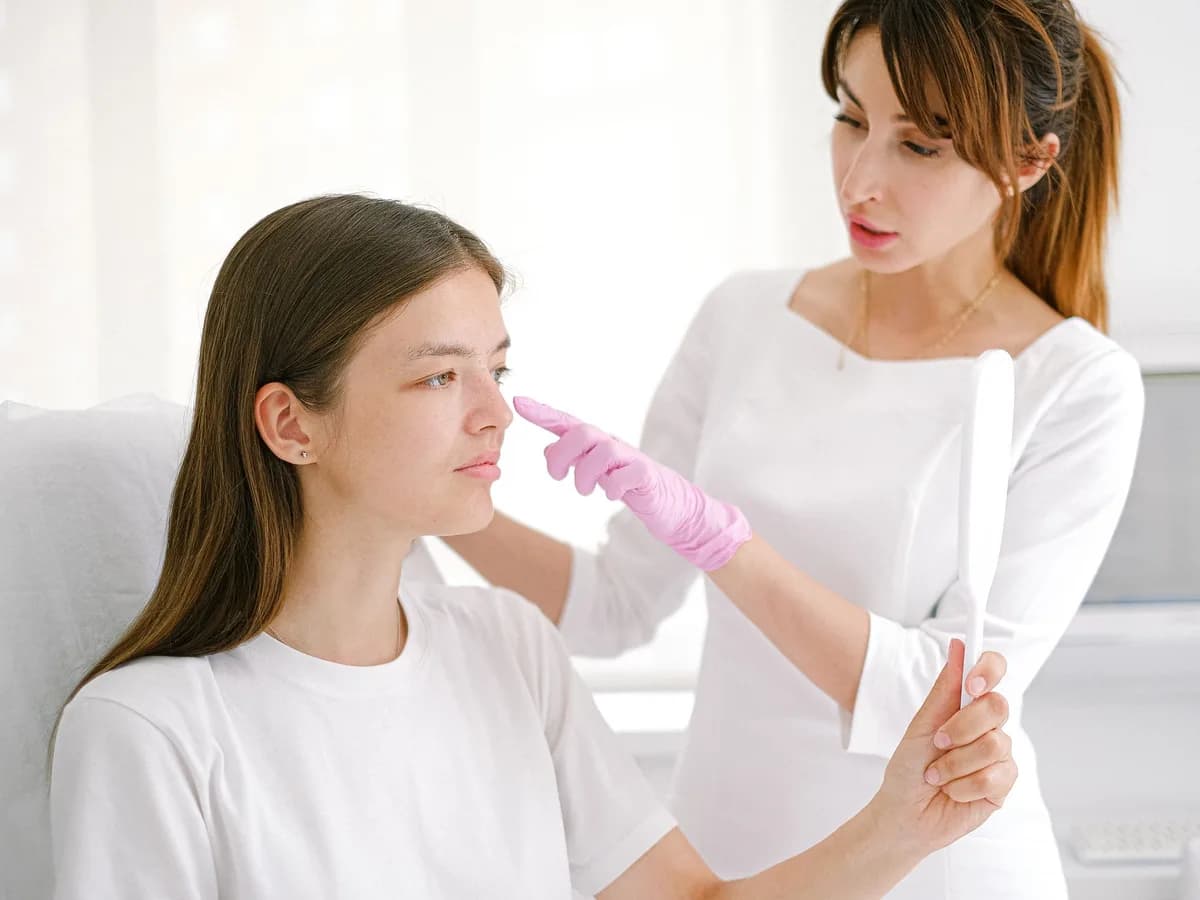
Most people have a mixture, which is why we map the scars under magnification and photograph them before recommending anything.
Which treatment suits which scar
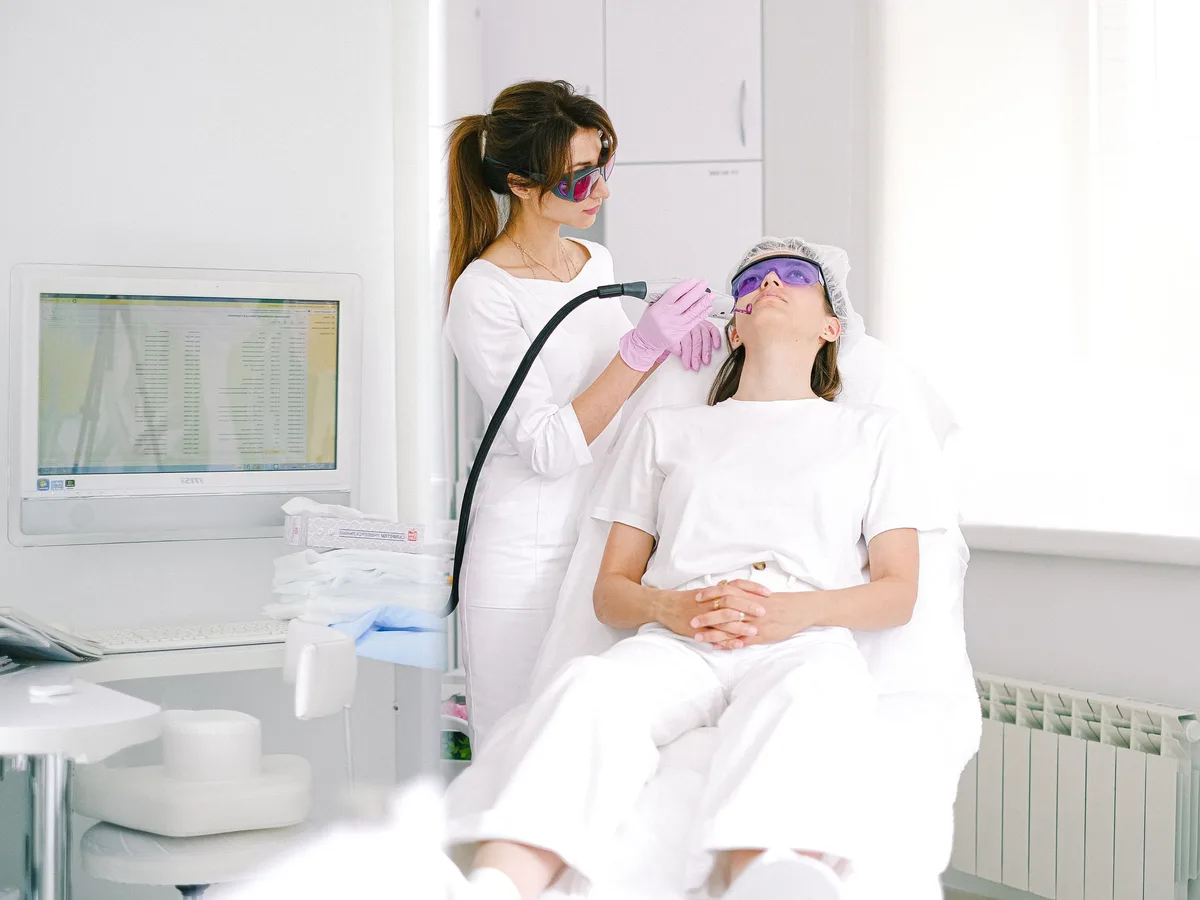
Fractional CO2 laser for boxcar scars and texture
The laser creates a grid of microscopic columns in the skin, leaving the tissue between them intact to speed up healing. New collagen forms as the columns repair, softening the sharp edges of boxcar scars and smoothing overall texture. Expect redness and fine scabbing for up to a week.
TCA cross for ice-pick scars
A tiny amount of high-strength trichloroacetic acid is placed precisely into each narrow scar with a fine applicator. The controlled injury at the base of the scar prompts collagen to fill it from below. Each spot forms a small scab that falls off in about a week.
Subcision for rolling scars
Once the area is numb, a fine needle is passed beneath the scar to release the bands that tether it down. Once released, the surface lifts and new collagen fills the space. Bruising for a few days is common.
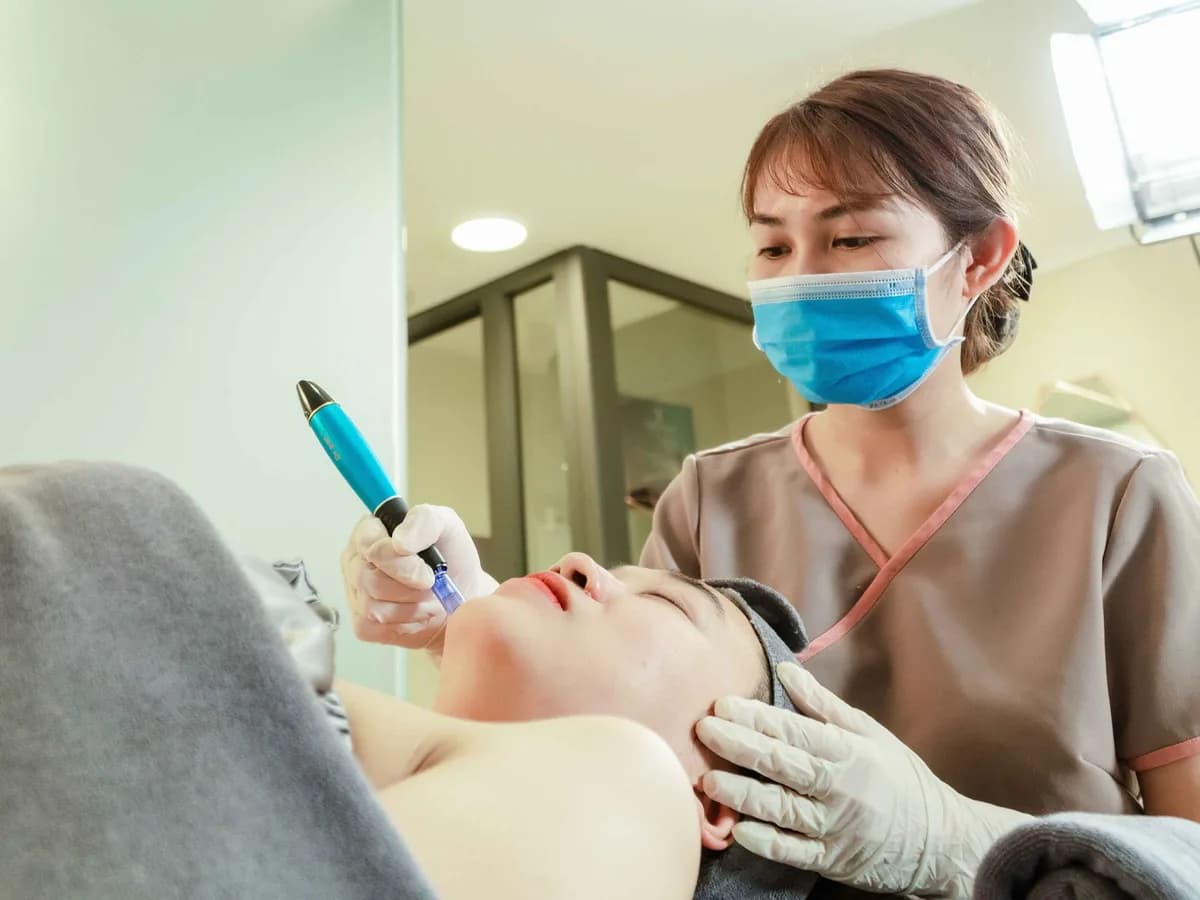
Microneedling for shallow scars and pores
Fine needles create controlled micro-injuries that stimulate collagen across a whole area. It suits shallow scarring and enlarged pores, and it is frequently combined with the other procedures.
What a realistic plan looks like
- Active acne is controlled first. New breakouts make new scars, so acne treatment comes before scar work.
- Four to six sessions, spaced four to six weeks apart, often mixing two procedures.
- Results build slowly. Collagen takes three to six months to form, so the improvement continues after the last session.
- Indian skin needs preparation. Priming creams beforehand and strict sunscreen afterwards lower the risk of darkening.
How much improvement to expect
Pitted scars can usually be improved substantially, often by half or more over a course, but they cannot be erased. Anyone promising flawless skin is over-promising. We show patients before-and-after photographs of their own face at each review, because day-to-day memory is a poor judge of gradual change.
The best scar treatment is prevention
Treat acne early, do not pick or squeeze, and wear sunscreen so marks do not darken. If acne is already leaving dents, that is the moment to see a dermatologist rather than waiting for it to burn out.
You can read more on our acne scars page or see how the procedures are planned on the acne scar treatment page.