
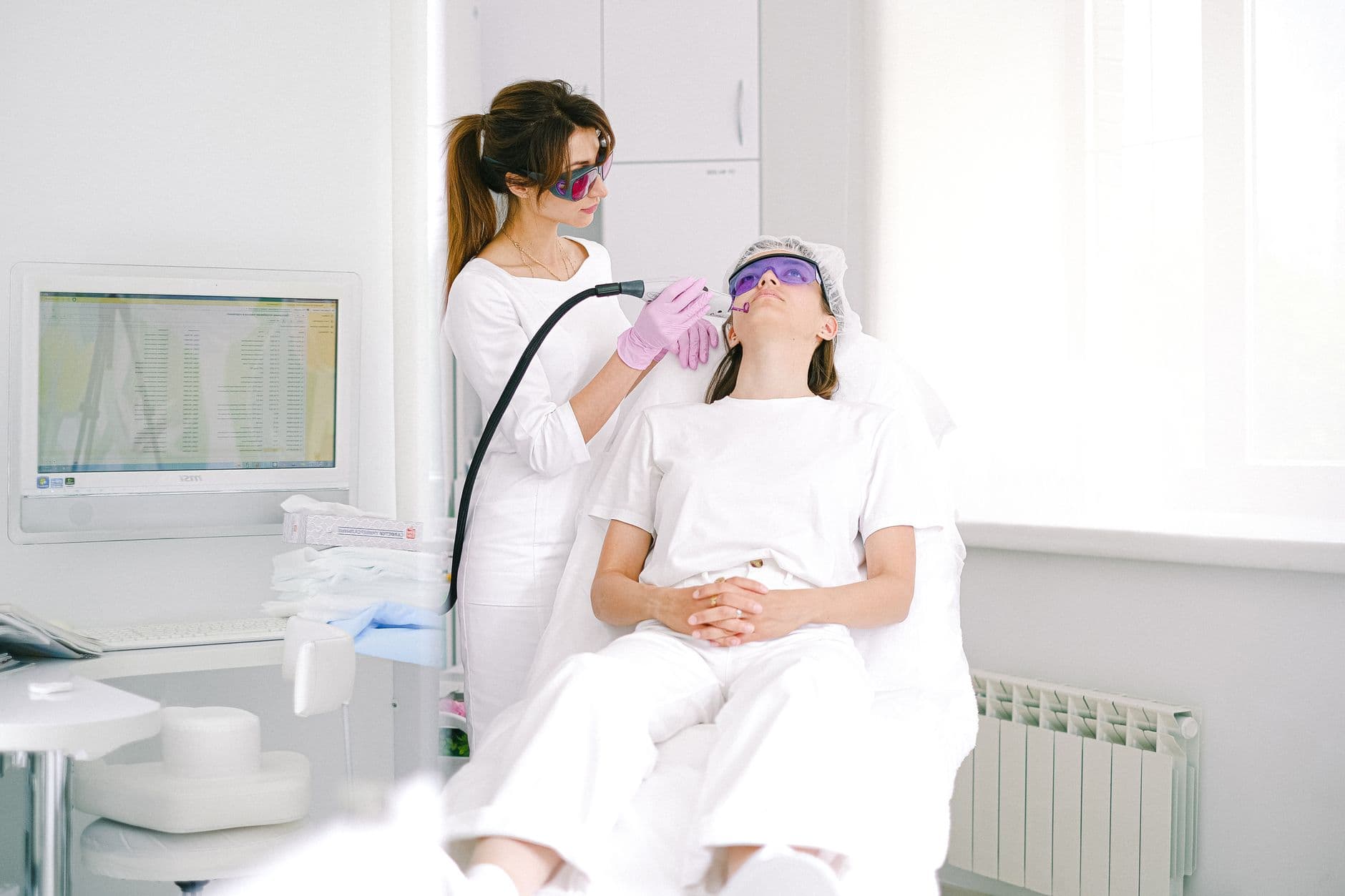
Laser skin treatments help manage many common concerns. These include stubborn acne scars, unwanted facial hair, and uneven tone. However, achieving smooth, reliable results requires more than modern clinical technology. What you do in the weeks and days before your appointment matters just as much. Thorough preparation protects your skin barrier and supports smooth post-procedure healing.
For patients living in sunny Pune neighbourhoods such as Kalyani Nagar, Viman Nagar, and Koregaon Park, proper pre-care requires careful planning. Fitzpatrick skin types IV, V, and VI represent deeper skin tones that face higher risks of post-procedure dyspigmentation, blistering, crusting, and scarring (Fitzpatrick skin typing: Applications in dermatology). In deeper skin tones, epidermal melanin acts as a competitive chromophore (Laser therapy in skin of colour). This pigment absorbs laser energy, which increases the danger of side effects after epidermal injury (Laser therapy in skin of colour).
In inexperienced hands, laser treatments can cause serious complications (Laser hair removal: FAQs). These include burns, scars, and long-term changes to natural skin colour (Laser hair removal: FAQs). Fortunately, adhering strictly to pre-treatment and post-treatment guidelines significantly lowers the chance of adverse effects (Laser hair removal: FAQs). Whether you are planning laser hair reduction, acne scar revision, or laser toning, thoughtful pre-care is essential to protect melanin-rich skin.
Managing Sun Exposure and Active Tanning Before Laser Sessions
Sun protection is the foundation of safe laser treatment for skin of colour. Pune experiences strong sunlight throughout the year. Routine travel between Kalyani Nagar and neighbouring areas often causes accidental sun tanning. Tanning directly affects how your skin responds to laser energy.
Tanned skin contains greater amounts of melanin and absorbs more laser energy, making laser burns more likely (Standard guidelines of care: Laser and IPL hair reduction). A higher degree of pre-treatment skin pigmentation also increases the danger of hyperpigmentation, hypopigmentation, blistering, and crusting (Fitzpatrick skin typing: Applications in dermatology). Furthermore, recent tanning from sun exposure, artificial tanning, or tanning creams significantly impairs skin colour assessment and phototyping before procedures (Fitzpatrick skin typing: Applications in dermatology). In clinical practice, both recent tanning and improper sunscreen use are key variables that raise complication rates in skin types IV through VI (Complications of laser and light-based devices therapy in patients…).
To keep your treatments on schedule and protect your skin, follow these sun-care rules before your session:
- Apply broad-spectrum sunscreen daily across all planned treatment zones, as improper sunscreen use increases the chance of complications (Complications of laser and light-based devices therapy in patients…).
- Avoid intentional tanning and reduce prolonged sun exposure before your treatment (Standard guidelines of care: Laser and IPL hair reduction).
- If your skin is tanned, inform your doctor; mild depigmenting creams like hydroquinone 2% to 4% may be used at night for 10 to 15 days before treatment to reduce melanin levels (Standard guidelines of care: Laser and IPL hair reduction).
Preparing for Laser Skin Treatments: Topicals and Skin Barrier Priming
Many patients make the mistake of using strong home exfoliants right before a laser session. Energy-based devices create controlled thermal reactions in target tissue layers. Treating an irritated or inflamed skin barrier increases downtime and elevates the risk of skin darkening.
In medical dermatology, preparing darker skin tones often includes a dedicated priming phase. Adequate skin priming with sunscreen, topical retinoids, and depigmenting agents—such as kojic acid, glycolic acid, and arbutin—reduces the incidence of complications, particularly post-inflammatory pigmentary changes (Complications of laser and light-based devices therapy in patients…). Furthermore, priming the skin with topical adapalene 0.1% for two weeks before certain resurfacing procedures can improve clinical outcomes (Evidence-based Surgical Management of Post-acne Scarring in Skin of…).
Your dermatologist may advise pausing strong leave-on acids and physical scrubs before your session to keep the barrier intact. Choosing the right laser modality is also essential for safety. Ablative carbon dioxide and Er:YAG lasers should be avoided for acne scar treatment in skin types V and VI due to the risk of post-inflammatory hyperpigmentation from thermal injury (Laser therapy in skin of colour). In darker skin types (IV and V), clinicians should use lower energy settings to lessen the chance of post-inflammatory hyperpigmentation (Evidence-based Surgical Management of Post-acne Scarring in Skin of…).
What to Disclose During Your Pre-Treatment Medical Consultation
A thorough consultation protects your skin before any procedure begins. Your dermatologist needs a clear overview of your health, medications, and healing tendencies. This history allows your doctor to select safe energy levels and avoid unwanted reactions (Complications of laser and light-based devices therapy in patients…, Standard guidelines of care: Laser and IPL hair reduction).
Review the following checklist during your initial clinical consultation:
- Scarring history: Disclose any personal tendency toward keloids, hypertrophic scars, or post-inflammatory hyperpigmentation (Complications of laser and light-based devices therapy in patients…, Standard guidelines of care: Laser and IPL hair reduction).
- Cold sore history: Laser resurfacing can trigger viral flare-ups; patients at risk must receive prophylactic valacyclovir or famciclovir starting one day before the procedure and continuing for 10 days to prevent herpes simplex reactivation (Complications of laser and light-based devices therapy in patients…).
- Isotretinoin use: Historical guidelines advised pausing cosmetic interventions for 6 months after oral isotretinoin (Standard Guidelines of Care: Performing Procedures in Patients on o…). However, concurrent oral isotretinoin is not considered a contraindication for laser therapy (Evidence-based Surgical Management of Post-acne Scarring in Skin of…). An expert task force confirms that laser hair removal and fractional lasers for acne scars or ageing are safe during or immediately after isotretinoin use (Standard Guidelines of Care: Performing Procedures in Patients on o…). For aggressive full-face ablative carbon dioxide resurfacing, waiting 6 months remains the safer choice, and keeping concurrent doses below 0.5 mg/kg is prudent (Standard Guidelines of Care: Performing Procedures in Patients on o…).
- Photosensitising drugs: List all current oral medications, including photosensitising drugs like minocycline or isotretinoin, as well as prolonged sun exposure patterns (Standard guidelines of care: Laser and IPL hair reduction).
- Hormonal factors: In female patients undergoing laser hair reduction, hormonal status must be assessed, and underlying hormonal abnormalities should be ruled out before diagnosing paradoxical hypertrichosis (Complications of laser and light-based devices therapy in patients…).
Pre-Care Guidelines for Laser Hair Reduction: Shaving and Grooming
Laser hair reduction relies on targeted thermal energy. Long-pulsed Nd:YAG lasers cause thermal injury to dark, coarse hairs while sparing epidermal melanin (Laser therapy in skin of colour). For this process to work, the hair root must remain present inside the follicle.
Patients should avoid plucking, waxing, bleaching, thermolysis, and electrolysis in targeted treatment areas before beginning laser hair reduction (Standard guidelines of care: Laser and IPL hair reduction). Plucking and waxing pull the hair shaft out of the root. This leaves no target for laser energy and makes the session ineffective. Chemical bleaching must also be avoided in the treatment area (Standard guidelines of care: Laser and IPL hair reduction).
The proper pre-treatment method is to shave or trim the area. Hair should be trimmed with an electric trimmer or shaved the day before treatment so that hair length is between 1 to 5 mm at the time of therapy (Standard guidelines of care: Laser and IPL hair reduction). Shaving prevents surface hair from burning against the skin. To reduce epidermal melanin absorption of energy, longer wavelengths are considered safer for Fitzpatrick skin types IV through VI (Fitzpatrick skin typing: Applications in dermatology). The long-pulsed 1064 nm Nd:YAG laser is considered the safest laser for hair removal in individuals with skin of colour because its wavelength sits at the end of the absorption spectrum of melanin (Laser therapy in skin of colour).
Day-of-Appointment Instructions for Cleanliness and Treatment Comfort
On the day of your appointment, focus on simple physical preparation. Arriving with clean skin saves time and helps keep the treatment comfortable and hygienic.
Keep these key steps in mind before entering the laser room:
- Cleanse the treatment site: The area should be properly cleaned with soap or detergent and kept free of makeup (Standard guidelines of care: Laser and IPL hair reduction), and the skin will be cleansed immediately before treatment begins (Laser hair removal: FAQs).
- Remove metallic accessories: Clear the treatment area of any metallic items such as chains (Standard guidelines of care: Laser and IPL hair reduction).
- Check for active skin issues: Lasers should be avoided in areas experiencing active cutaneous inflammation or infection (Evidence-based Surgical Management of Post-acne Scarring in Skin of…).
- Use numbing gel when advised: When treating a small area or very sensitive skin, topical numbing gel may be applied, taking about 30 to 60 minutes to take effect (Laser hair removal: FAQs).
- Wear protective eyewear: Everyone inside the laser treatment room must wear protective eyewear during the procedure (Laser hair removal: FAQs).
Prioritising Skin Safety and Dermatologist Care in Kalyani Nagar
Laser treatments deliver the best results when paired with strict clinical preparation. In deeper skin tones, thoughtful pre-care protects against burns and dark spots. Following your doctor's instructions before your session significantly lowers the chance of unwanted side effects (Laser hair removal: FAQs). Shielding your skin from the sun, pausing strong home topicals, and adhering to clinical grooming rules create the right foundation for healthy healing.
For patients in Kalyani Nagar, Viman Nagar, and Koregaon Park, Skin Essence provides medical dermatology and cosmetic laser treatments led by Dr. Daksha Patel, MBBS, MD (Skin & VD). Each treatment plan is designed around the patient's specific skin phototype, medical history, and clinical goals. Whether you are considering laser hair reduction, laser toning, or acne scar revision, an in-person medical evaluation ensures your skin is properly assessed, primed, and protected.
Frequently asked questions
Why is sun avoidance critical before a laser treatment?
Tanned skin contains higher amounts of melanin and absorbs more laser energy, significantly increasing the risk of burns, blistering, and pigmentation changes. Using broad-spectrum sunscreen and avoiding intentional sun exposure helps ensure safe treatment.
Can I wax or pluck my hair before laser hair removal?
No, you must avoid plucking, waxing, and bleaching before laser hair removal because the laser targets the hair root. Instead, shave or trim the treatment area the day before so the hair length is between 1 to 5 mm.
Do I need to stop taking isotretinoin before laser skin procedures?
Laser hair removal and fractional lasers for acne scars or ageing can be safely performed during or immediately after oral isotretinoin use, though concurrent doses should remain below 0.5 mg/kg. However, for full-face ablative carbon dioxide resurfacing, waiting 6 months is still recommended.
How should I prepare my skin on the day of my laser appointment?
Cleanse the treatment site thoroughly with soap or detergent to keep it free of makeup, and remove all metallic accessories like chains. You may also receive a topical numbing gel 30 to 60 minutes before the session for comfort.