
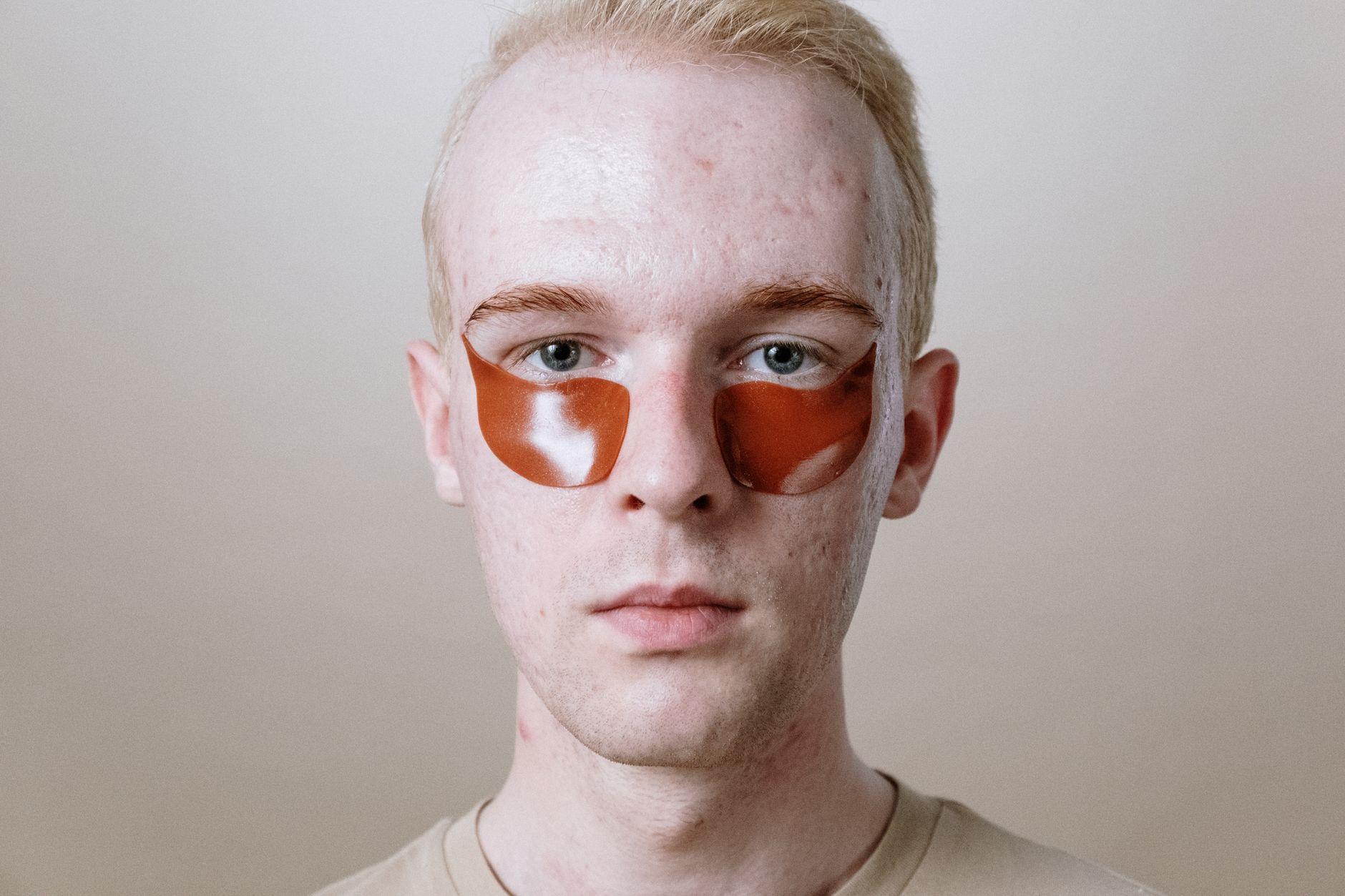
For many women and men dealing with breakouts in Pune, clearing a pimple often brings only temporary relief. In its place, a stubborn red mark frequently lingers for weeks or months. It is very common to assume that any mark left after a flare-up is a form of pigmentation. As a result, many people turn immediately to over-the-counter brightening serums, chemical exfoliants, or lightening creams. However, these post-blemish red spots represent a fundamentally different biological process than traditional dark spots.
When red marks fail to fade after weeks of using vitamin C, glycolic acid, or depigmenting preparations, patient frustration is understandable. In clinic consultations across Pune, particularly in Kalyani Nagar, dermatologists observe this pattern often. Applying harsh brightening regimes to fresh redness only irritates the skin further. The core issue is that red marks are vascular, not made of melanin pigment. They stem from microscopic changes within delicate capillary beds beneath the epidermis rather than an accumulation of melanin pigment.
For anyone seeking effective red acne marks treatment in Pune, the first step is shifting focus. You need vascular calming and skin barrier restoration rather than harsh exfoliation and pigment suppression. Understanding how post-acne redness forms, why aggressive topical products worsen it, and how clinical dermatological treatments work provides a clear, medically sound path forward. With the right clinical care, you can safely calm the skin and restore an even, healthy complexion.
Post-Inflammatory Erythema vs Pigmentation: The Clinical Difference
To address residual marks effectively, you must understand the difference between two distinct post-acne outcomes. These are post-inflammatory erythema (PIE) and post-inflammatory hyperpigmentation (PIH). While both conditions follow cutaneous inflammation, their underlying biology, chromophores, and clinical management differ significantly.
Post-inflammatory erythema presents as pink, bright red, or purplish macules. These appear precisely where an inflammatory papule, pustule, or cyst previously resided. During the active acne phase, local swelling affects fragile microvascular structures within the dermis. This damage causes capillary dilation and increased blood pooling near the surface of the skin. The primary chromophore in PIE is oxyhaemoglobin within red blood cells, rather than melanin. If you perform a simple diascopy test by pressing a clear glass slide or clean transparent surface firmly against the mark, erythema typically blanches or turns pale momentarily. This happens as blood is pushed out of the dilated capillaries, returning to red once pressure is released.
In contrast, post-inflammatory hyperpigmentation involves the overproduction and irregular deposition of melanin by melanocytes in response to inflammatory mediators. This creates brown, greyish, or black spots that do not blanch under pressure. Epidemiological research confirms that acne-induced post-inflammatory hyperpigmentation is mainly observed in patients with skin phototypes IV to VI (Acne-induced Post-inflammatory Hyperpigmentation: From Grading to T…). These deeper skin phototypes are very common across India. Furthermore, acne-induced post-inflammatory hyperpigmentation can arise even without visible signs of significant inflammation in mild to moderate acne cases (Acne-induced Post-inflammatory Hyperpigmentation: From Grading to T…).
Both types of marks require substantial time to resolve naturally. Clinical literature notes that post-acne sequelae such as post-inflammatory hyperpigmentation and post-inflammatory erythema typically require months to resolve and show minimal initial improvement during early follow-up visits (Optimizing Acne Treatment: The Importance of the First Follow-up). Attempting to treat vascular PIE as if it were melanised PIH is one of the most common reasons patients in Pune experience persistent skin sensitivity and delayed recovery.
Why Aggressive Brightening Products Can Aggravate Red Marks
When confronted with persistent discolouration, the natural instinct for many patients is to intensify their home skincare routine. People frequently purchase concentrated exfoliating cleansers, leave-on acid peels, or depigmenting creams formulated with tyrosinase inhibitors. While these ingredients can be valuable when managing genuine melanin deposition, applying them to reactive vascular redness often backfires.
Adding a skin-lightening cream prescribed by your dermatologist can cause skin irritation, particularly when patients already experience dryness or irritation from other topical acne treatments (Optimizing Acne Treatment: The Importance of the First Follow-up). Your dermatologist will advise whether this is suitable for you. The epidermal tissue overlying post-inflammatory erythema is structurally vulnerable, as the underlying capillary network is already dilated from prior inflammation. Exposing this fragile zone to strong acids or potent depigmenting agents can trigger secondary irritation.
The consequences of over-treating vascular redness include:
- Skin barrier disruption and heightened cutaneous irritation when strong active agents are layered onto drying topical acne regimens.
- Aggravated microvascular dilation, prolonging visible redness and extending recovery timelines.
- Secondary activation of melanocytes, potentially inducing post-inflammatory hyperpigmentation over the existing erythema in deeper skin phototypes.
Allowing microvascular networks to stabilise requires maintaining an intact, calm epidermal barrier. If a topical skincare regimen causes burning, dryness, or persistent flushing, it impairs the gentle environment necessary for post-inflammatory erythema to fade.
Controlling Active Breakouts as the Essential First Phase
A critical tenet in dermatological care is that controlling active acne is the essential primary step because post-inflammatory hyperpigmentation and post-inflammatory erythema typically subside over time as active breakouts decrease (Optimizing Acne Treatment: The Importance of the First Follow-up). Regardless of the type of post-acne mark present, stabilizing the skin must take priority (Optimizing Acne Treatment: The Importance of the First Follow-up).
When inflammatory papules and pustules continue to erupt, each new blemish initiates a fresh cycle of follicular rupture, cytokine release, and capillary dilation. Attempting to clear older red marks while ignoring ongoing breakouts is fundamentally counterproductive. New vascular lesions continually replace fading ones. A structured medical acne treatment programme planned by an MD dermatologist helps halt this continuous inflammatory loop.
Patients must also maintain realistic expectations regarding recovery timelines. At early clinical follow-ups, post-inflammatory erythema and hyperpigmentation typically show little initial improvement as they are the consequence of past pimples and require months to fade (Optimizing Acne Treatment: The Importance of the First Follow-up). Understanding this natural biological timeline prevents premature discontinuation of therapy or impulsive switching between unsuitable cosmetic products.
Clinical Approaches to Red Acne Marks Treatment in Pune
When post-acne redness persists beyond several months or causes substantial distress, in-clinic dermatological procedures provide targeted pathways to support tissue recovery. Unlike harsh over-the-counter creams, clinical modalities directly address specific biological targets within the skin without causing widespread barrier breakdown.
One established approach in medical dermatology involves selective vascular photothermolysis. Research demonstrates that a 585-nm pulsed dye laser targets oxyhaemoglobin and causes selective photothermolysis of the dilated vascular component of inflammation associated with acne (Laser and light based treatments of acne). Furthermore, administering a pulsed dye laser at low, nonpurpuric fluences can reduce inflammatory acne lesions (Laser and light based treatments of acne). In clinical studies evaluating combination laser protocols, combining a 595-nm pulsed dye laser with a 1450-nm diode laser produced significant improvement in post-inflammatory erythema resulting from acne, which was attributed to vascular selective photothermolysis (Laser and light based treatments of acne).
In addition to vascular lasers, dermatologists frequently utilise gentle clinical chemical peels and laser toning to support skin regeneration and reduce background inflammation. Light, superficial chemical peels formulated for sensitive or reactive skin gently enhance epidermal turnover and decongest follicles without triggering heat-induced hyperpigmentation. Laser toning delivers low-fluence energy across the treatment area, assisting in refining uneven tone and calming chronic tissue reactivity.
For patients in Pune who present with a combination of concerns—such as active breakouts, textural indentations, and folliculitis from facial grooming—these therapies can be coordinated cohesively. For example, individuals undergoing acne scar treatment for atrophic scars, or patients receiving laser hair reduction to prevent inflammatory pseudofolliculitis along the jawline and neck, can have their procedures sequenced safely under the supervision of an MD dermatologist.
Barrier Support and Daily Sun Defence for Pune Weather
Clinical treatments must always be underpinned by structured daily home care. Pune's regional climate, characterised by prolonged dry periods, intense sun exposure throughout much of the year, and urban environmental pollutants, presents unique challenges for healing skin. The pathophysiology of acne-induced post-inflammatory hyperpigmentation involves innate immunity, Cutibacterium acnes, and external factors such as ultraviolet radiation, visible light, and air pollution (Acne-induced Post-inflammatory Hyperpigmentation: From Grading to T…).
When vascular red marks are exposed to unfiltered solar radiation and environmental stressors, melanocytes can become active, which may lead to dark marks forming over existing redness. Daily photoprotection is therefore essential. Clinical research demonstrates the measurable benefit of comprehensive sun protection: a hybrid broad-spectrum SPF 50 sunscreen containing 11% zinc oxide, 3.5% octinoxate, and 5% niacinamide demonstrated a 69.78% improvement in post-inflammatory erythema and a 78.68% improvement in post-inflammatory hyperpigmentation over 12 weeks (The Aesthetic Edge: March 2026).
To protect healing microcapillaries without clogging congested pores, daily skincare should adhere to several practical principles:
- Defending against ultraviolet radiation, visible light, and air pollution, which are known external factors in post-inflammatory mark development (Acne-induced Post-inflammatory Hyperpigmentation: From Grading to T…).
- Sunscreen formulas utilising non-comedogenic bases with niacinamide and antioxidants, which support the skin barrier, minimise inflammation, and protect against environmental pollutants (The Aesthetic Edge: March 2026).
- Avoidance of harsh physical scrubs or aggressive chemical exfoliants while microcapillary networks are actively recovering.
Sunscreen formulas with non-comedogenic bases, niacinamide, and antioxidants help control excess oil, reduce inflammation, support the skin barrier, and defend against environmental stressors like pollution (The Aesthetic Edge: March 2026). By protecting vulnerable skin, you maintain the calm environment required for vascular erythema to settle steadily over time.
Planning a Personalised Path to Clear Skin in Kalyani Nagar
Navigating post-acne recovery requires moving past generalized skincare trends and recognising the distinct physiological nature of post-inflammatory erythema. Red marks are not dark spots. They are vascular marks of past inflammation that demand calming, barrier reinforcement, and careful clinical care rather than aggressive bleaching.
At Skin Essence in Kalyani Nagar, Pune, medical dermatology and cosmetic treatments are led by an MD dermatologist. Every treatment plan at the clinic is individually designed by the dermatologist around the patient's specific skin type and goals, rather than read off a fixed chart. Whether your recovery requires medical acne treatment to halt fresh breakouts, gentle chemical peels, laser toning, or acne scar treatment, care is calibrated to protect Indian skin tones against irritation and unwanted pigmentation.
If lingering red marks or active breakouts are affecting your skin, seek a professional evaluation to establish an accurate diagnosis and treatment strategy. Call the clinic or WhatsApp the clinic to speak with the team at Kalyani Nagar, Pune.
Frequently asked questions
What is the difference between red acne marks and brown acne marks?
Red marks are post-inflammatory erythema caused by dilated microcapillaries and pooled blood from past inflammation, which blanch when pressed. Brown marks are post-inflammatory hyperpigmentation caused by excess melanin deposition and do not turn pale under pressure.
Why do over-the-counter brightening creams often fail on red acne marks?
Brightening creams typically target melanin pigment rather than dilated blood vessels. Applying harsh exfoliating acids or strong depigmenting agents can disrupt the skin barrier, aggravate underlying capillaries, and prolong redness.
Why must active breakouts be controlled before treating red marks?
Post-inflammatory erythema subsides as active breakouts decrease. Treating red marks while new pimples continue to erupt leads to a continuous cycle of fresh capillary damage and ongoing inflammation.
How does sunscreen help improve post-inflammatory erythema?
Daily broad-spectrum sun protection shields recovering capillary beds from ultraviolet rays and environmental pollution, preventing secondary melanocyte activation that can turn red marks into persistent brown pigmentation.
This information is general and not a substitute for a consultation. Results vary from person to person.