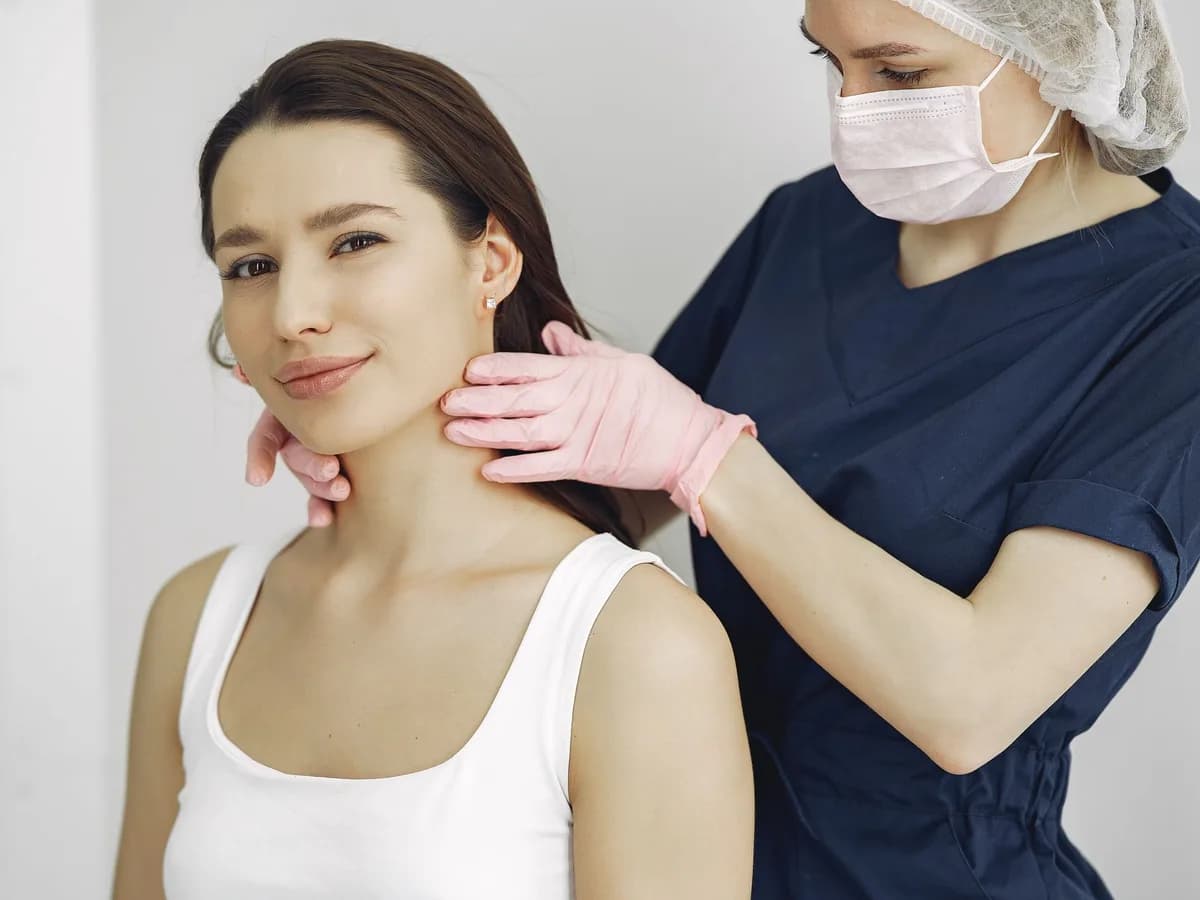

For many women and men in Pune, benign skin growths such as moles, viral warts, and skin tags are a frequent source of aesthetic concern or physical discomfort. Moles situated along the collarbone or jawline often catch on clothing, jewellery, or shirt collars, while warts on the hands or soles can cause noticeable tenderness during routine movement. In seeking a smoother appearance and relief from constant irritation, individuals naturally look for accessible solutions. However, choosing how to remove these skin lesions requires thorough dermatological consideration.
Too often, individuals turn to quick salon snipping, parlour threading, or caustic chemical kits ordered online. These non-medical approaches carry notable risks. When people attempt at-home mole removal or unsupervised procedures, they are unlikely to properly sanitise tools, prep the skin, or provide appropriate postoperative care, creating a high risk of infection that delays wound healing and increases scarring (DIY Don'ts: Why At-Home Mole Removal Is a Bad Idea). What began as an attempt to clear a minor blemish can rapidly result in a persistent, visible texture defect.
The safest and most reliable pathway to clear skin is an individualised minor surgical procedure conducted by a qualified dermatologist. In a medical clinic, every lesion is evaluated carefully before treatment begins. Using advanced electrosurgical technologies such as radiofrequency instruments, dermatologists can remove lesions while generating minimal heat and collateral tissue damage, supporting faster healing and reducing post-procedure complications such as pain, swelling, and infection (Electrosurgery). This clinical control is especially vital for Indian skin tones, which demand meticulous thermal management to prevent post-inflammatory pigmentation and uneven healing.
Understanding Your Lesion: Benign Moles, Viral Warts, and Skin Tags
Before undergoing any removal procedure, it is essential to recognise that skin growths differ fundamentally in their biological origin and anatomical depth. A technique suitable for a narrow, superficial skin tag can prove entirely ineffective or counterproductive when applied to a viral wart or a deep dermal mole. A comprehensive clinical consultation allows a dermatologist to categorise the lesion accurately:
- Benign Dermal Moles (Naevi): Clusters of melanocytic cells that may present as flat or raised spots. Electrosection is well suited for excising benign dermal naevi (Electrosurgery). Attempting amateur removal often only cuts off the top of the mole, leaving portions of the lesion down in deeper layers of the skin, failing cosmetically and complicating future proper removal (DIY Don'ts: Why At-Home Mole Removal Is a Bad Idea).
- Skin Tags (Acrochordons): Soft, small outgrowths that tend to develop in friction-prone areas such as the neck, underarms, and groin folds. In clinical electrosurgery, these lesions can be excised with electrosection or treated using electrofulguration (Electrosurgery).
- Viral Warts (Verrucae): Protruding epidermal lesions that can be treated with modalities such as electrofulguration, during which thermolysis generates smoke and fumes that can contain Human Papillomavirus (HPV) particles (Electrosurgery). They commonly arise on the fingers, palms, elbows, and soles of the feet.
- Seborrhoeic Keratoses and Dermatosis Papulosa Nigra (DPN): Protruding warty lesions frequently observed on the face, neck, and upper body that dermatologists can treat or shave using electrofulguration and electrosection (Electrosurgery).
Understanding the distinct nature of each lesion is essential. For viral warts, electrosurgical destruction requires careful clinical technique because the resulting fumes can carry HPV particles (Electrosurgery). Attempting to pick at, abrade, or remove warts and moles at home also carries significant hazards. When an individual attempts DIY removal, there is no way to determine whether a lesion is benign or malignant, creating a dangerous risk of incompletely excising a melanoma whose cells can remain in the skin and spread (DIY Don'ts: Why At-Home Mole Removal Is a Bad Idea).
When a growth is treated without clinical assessment, partial removal remains a frequent complication. If residual portions of a mole remain down in deeper layers of the skin, the cosmetic outcome fails, and the resulting tissue damage complicates future proper removal (DIY Don'ts: Why At-Home Mole Removal Is a Bad Idea).
Clinical Removal Techniques: Radiofrequency Ablation and Precision Excision
Modern clinical dermatology relies on advanced electrosurgical modalities to ensure lesions are treated safely and with minimal tissue trauma. Electrosurgical systems use high-frequency alternating electric currents to generate controlled thermal energy for cutting and coagulation (Electrosurgery).
In electrosurgery, high-frequency alternating electric current at 200 to 10,000 V is passed through the skin to generate heat, with radiofrequency devices operating at frequencies exceeding 1,500 kHz for fine cutting (Electrosurgery). This approach allows electrosection to combine precise tissue cutting with vessel coagulation while causing minimal peripheral heat damage (Electrosurgery).
Radiofrequency Electrosection
Electrosection is suited for excising relatively vascular lesions, including protruding dermal naevi, skin tags, and seborrhoeic keratoses (Electrosurgery). By combining precise surgical cutting with rapid microvascular coagulation, this technique produces minimal peripheral heat damage in surrounding tissue (Electrosurgery). Consequently, patients benefit from reduced post-procedure pain, less swelling, a lower risk of infection, and enhanced wound healing that yields subtle, discreet cosmetic outcomes (Electrosurgery). Furthermore, because collateral thermal destruction is tightly constrained, excised tissue margins remain well preserved should histological evaluation be indicated (Electrosurgery).
Electrofulguration and Environmental Safety
For small, protruding, or superficial lesions such as delicate skin tags, viral warts, and dermatosis papulosa nigra, dermatologists frequently utilise electrofulguration (Electrosurgery). In this technique, the active electrode is held 1 to 2 mm away from the skin surface, generating a controlled electric spark that dehydrates and destroys the target tissue without requiring mechanical incision (Electrosurgery).
Procedural safety during wart destruction also demands strict attention to surgical plumes. The electrosurgical destruction and thermolysis of viral warts generate smoke and fumes that can contain HPV particles, bacteria, carcinogens, and toxic gases such as benzene and formaldehyde, posing an exposure hazard if inhaled (Electrosurgery). In a clinical environment, medical teams manage these procedural fumes with specialised extraction and ventilation protocols to maintain high standards of patient and operator safety.
The Hidden Risks of Salon Snips and At-Home Removal Kits
Despite the availability of clinical dermatological care, individuals in Pune are often tempted by salon services offering thread ligation or blade snipping for neck tags, or by online advertisements for caustic burn pens and DIY mole lasers. Dermatologists strongly advise against at-home and unsupervised removals because they carry substantial risks of infection, scarring, incomplete removal, and missed diagnoses (DIY Don'ts: Why At-Home Mole Removal Is a Bad Idea).
Non-medical environments such as beauty parlours lack sterile surgical protocols. People attempting removal at home or in salons are unlikely to pay the necessary attention to sanitising instruments, prepping the skin, or providing proper postoperative care (DIY Don'ts: Why At-Home Mole Removal Is a Bad Idea). When the skin becomes infected, healing at the site is significantly delayed, which markedly increases the chances of scarring (DIY Don'ts: Why At-Home Mole Removal Is a Bad Idea).
Furthermore, DIY instruments cannot control the depth or margin of tissue destruction. Documented complications of unsupervised at-home removals include (DIY Don'ts: Why At-Home Mole Removal Is a Bad Idea):
- Indented, chicken pox-like scars left at the treatment site (DIY Don'ts: Why At-Home Mole Removal Is a Bad Idea).
- Hypertrophic, bumpy scars that remain elevated above the surrounding skin (DIY Don'ts: Why At-Home Mole Removal Is a Bad Idea).
- Incomplete excision, where only the top of the mole is removed, leaving portions down in deeper layers of the skin that fail cosmetically and complicate future removal (DIY Don'ts: Why At-Home Mole Removal Is a Bad Idea).
- Cellular changes caused by using at-home laser devices to zap a mole, which can alter cell morphology and potentially lead a pathologist to misdiagnose a benign mole as melanoma (DIY Don'ts: Why At-Home Mole Removal Is a Bad Idea).
Consulting a dermatologist ensures that any lesion is properly evaluated and treated using professional surgical or electrosurgical standards, protecting the skin against avoidable trauma and irregular scarring.
Scar Minimisation and Pigmentation Control for Indian Skin Types
Conducting minor skin procedures on Indian skin tones requires a careful clinical understanding of ethnic skin physiology. In pigmented skin types, melanocytes respond actively to inflammatory events, making medical expertise essential for managing post-procedure recovery and protecting against unwanted colour changes.
In darker skin types, melanocyte size, shape, and production rates are greater than in lighter skin, and melanin is contained in larger melanosomes (Ethnic dermatology). The enzyme tyrosinase, which catalyses the production of melanin, is also more active in darker skin (Ethnic dermatology). In addition, melanosomes in darker skin tend to degrade at a slower rate than those in fair skin (Ethnic dermatology).
Cutaneous inflammation results in the release of inflammatory mediators that stimulate melanogenesis by melanocytes, leading to post-inflammatory hyperpigmentation in pigmented skin (Ethnic dermatology). When skin trauma occurs, this increased melanin production can leave noticeable dark discolouration at the affected site.
Clinical precision is therefore critical. Modalities like radiofrequency electrosection minimise peripheral heat and collateral tissue damage during lesion removal (Electrosurgery). By limiting surrounding tissue trauma, dermatologists help minimise unnecessary cutaneous inflammation, reducing the triggers that lead to post-inflammatory hyperpigmentation on Indian skin.
This biological insight also helps dermatologists harmonise lesion removal with other cosmetic programmes. For patients in Pune undergoing laser hair reduction, acne treatment, or acne scar treatment, sequencing is planned with medical care. For instance, removing dark, raised moles or vascular skin tags before starting laser hair removal across the face or body ensures that hair reduction lasers do not inadvertently deliver concentrated heat into pre-existing pigmented lesions.
Post-Procedure Recovery: Daily Care and Wound Healing Guidelines
Achieving an unblemished cosmetic outcome depends as much on diligent aftercare as it does on procedural precision. Dermatological aftercare focuses on supporting natural tissue regeneration, preventing infection, and shielding healing skin from external irritants.
- Maintain Cleanliness and Hygiene: Proper postoperative care and wound cleanliness are vital, as poor sanitation and post-procedure neglect significantly increase the risk of infection and delayed healing (DIY Don'ts: Why At-Home Mole Removal Is a Bad Idea). Follow your dermatologist's exact guidance on keeping the site clean and dry.
- Allow Scabs to Detach Naturally: A fine, protective crust forms over the treated area within a few days. It is essential never to scratch or forcefully peel this crust away, as physical disruption of healing tissue can result in chicken pox-like indented scars or bumpy hypertrophic marks (DIY Don'ts: Why At-Home Mole Removal Is a Bad Idea).
- Rigorous Sun Protection: Because inflamed skin in darker skin types readily releases mediators that stimulate melanocytes and induce hyperpigmentation (Ethnic dermatology), protecting vulnerable tissue from direct sunlight is crucial. Shield the healing area from Pune's sun using physical cover, clothing, and broad-spectrum sunscreen once permitted by your doctor.
- Pause Active Skincare: Temporarily hold strong cosmetic actives, chemical exfoliants, retinoids, and fragranced formulations away from the treated area until complete tissue recovery is confirmed by your doctor.
Downtime following radiofrequency ablation is typically brief. Superficial crusting on the face generally resolves over several days as the skin regenerates, whereas lesions treated on the trunk or limbs may take somewhat longer to re-epithelialise. Most patients comfortably return to their routine professional and personal schedules immediately following their outpatient visit.
Consulting an MD Dermatologist for Mole and Wart Removal in Kalyani Nagar
Addressing unwanted skin lesions should never involve risky grooming shortcuts or salon blades. Consulting a medical dermatologist ensures your skin growth is accurately evaluated, viral transmission hazards are controlled, and removal is executed with minimal thermal spread, protecting you against unnecessary scarring and persistent pigmentation.
At Skin Essence in Kalyani Nagar, Pune, mole and wart removal is supervised by Dr. Daksha Patel, MBBS, MD (Skin & VD). With 17+ years of experience in dermatology and cosmetology, having treated over 3,00,000 patients and performed more than 10,000 cosmetic treatments, Dr. Patel formulates each procedure around the patient's individual skin type, lesion characteristics, and aesthetic goals.
Whether you are seeking the removal of an irritating mole, targeted eradication of viral warts, or coordinating lesion removal alongside laser hair reduction, acne treatment, or acne scar treatment, scheduling a consultation at Skin Essence in Kalyani Nagar, Pune ensures the clinical precision, medical safety, and personalised care your skin deserves.
Frequently asked questions
Why is radiofrequency ablation preferred over salon snipping for mole removal?
Radiofrequency electrosection cuts and coagulates tissue with minimal peripheral heat and collateral damage, reducing pain, infection risk, and scarring. Salon snipping or at-home attempts lack sterile protocols and depth control, creating a high risk of infection, delayed healing, and indented or hypertrophic scars.
How does clinical removal prevent post-inflammatory hyperpigmentation on Indian skin?
Indian skin contains more active tyrosinase and larger melanosomes that produce excess pigment when exposed to inflammation. Dermatologists use precision technologies like radiofrequency to limit collateral tissue trauma and thermal damage, significantly reducing the inflammatory triggers that cause dark spots.
What happens during the post-procedure healing period?
A fine crust forms over the site within a few days and must be allowed to detach naturally to avoid scarring. Daily recovery requires keeping the wound clean, using rigorous sun protection to avoid pigmentation, and avoiding harsh cosmetic actives until healing is complete.