
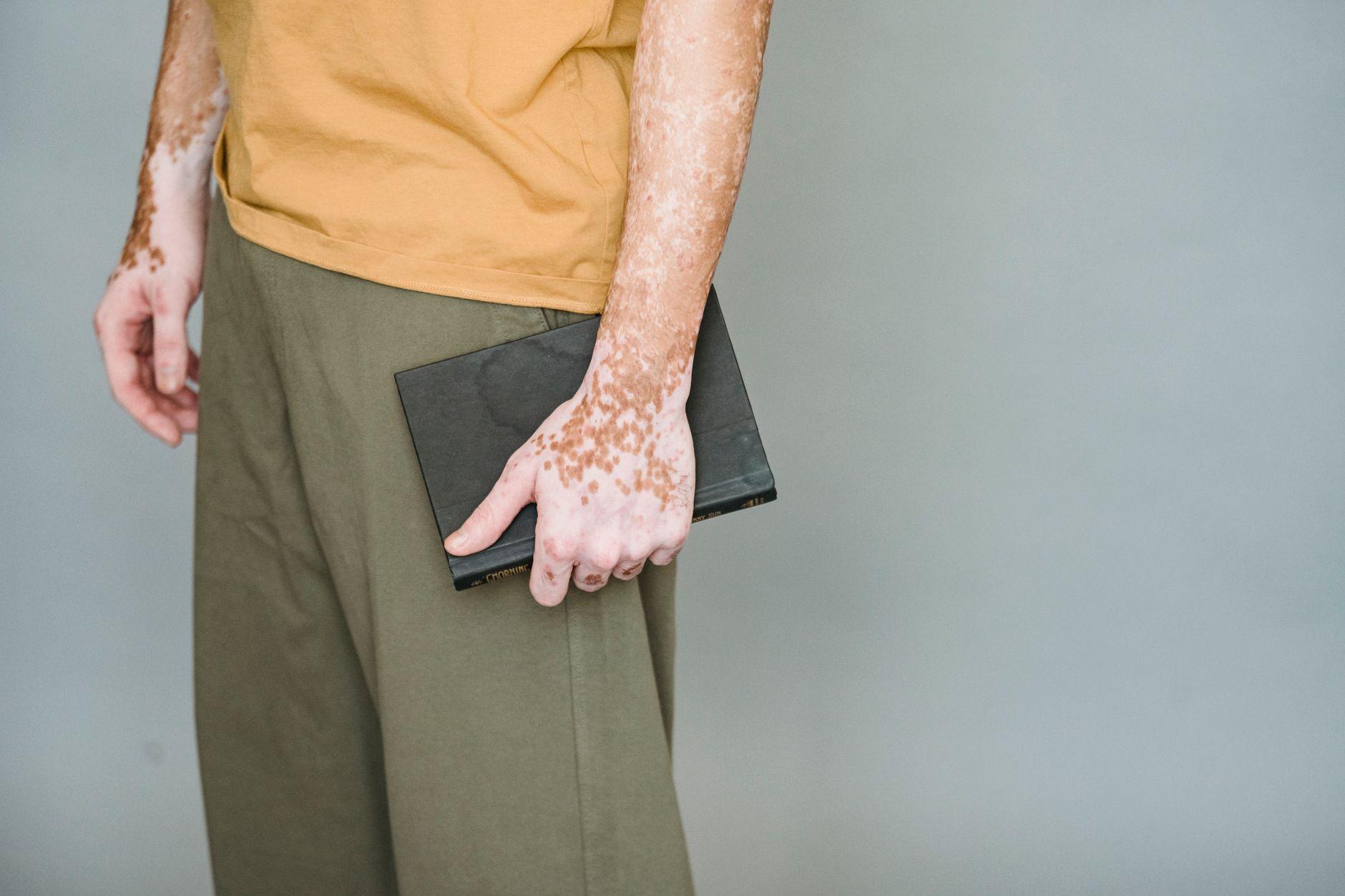
Daily travel across Pune presents a real challenge for extremity skin. Many people ride two-wheelers down Nagar Road or drive across the city under a harsh afternoon sun. In these conditions, your hands face direct ultraviolet rays every day. Most women and men take good care of their face. Yet they often forget the backs of their hands. Over time, this creates a clear contrast between a bright face and dark, sun-damaged hands.
If you are seeking hand pigmentation treatment in Pune, you need to know how extremity skin works. The skin on your hands has fewer oil glands than facial skin. It is naturally thinner and heals at a slower pace. You cannot simply copy your facial routine on your hands. Treating stubborn tanning, dark sunspots, and thin skin requires clinical care. Gentle chemical peels and laser toning help restore an even skin tone safely.
Hand Pigmentation Treatment in Pune: Why Extremity Skin Ages Faster
The back of the hand has a unique biology that makes it vulnerable to sun damage. This area has very few sebaceous glands. Because it produces little natural oil, the skin struggles to lock in hydration. This lack of oil results in dry skin, moisture loss, and weaker barrier defence.
When you commute in Pune, your hands rest directly on the steering wheel or handlebars. Strong sunlight hits the skin for long periods. In response, pigment cells in the lower epidermis produce extra melanin to protect the tissue. This repeated sun exposure causes patchy tanning, uneven tone, and dark sunspots.
At the same time, ultraviolet rays break down collagen and elastin fibres in the dermis. As these structural proteins decrease, hand skin turns crepey and thin. Veins and tendons become more visible beneath the surface. This textural thinning makes dark spots and patchy pigment look even more prominent.
Clinical Chemical Peels for Hand Pigmentation Treatment in Pune
Chemical peeling helps remove built-up surface pigment and speeds up cellular renewal on sun-exposed hands. However, treating extremity skin requires a careful clinical protocol.
Standard clinical guidelines state that superficial peels are safe for Indian patients (Standard guidelines of care for chemical peels). Medium-depth peels require great caution on darker skin types (Standard guidelines of care for chemical peels). Deep peels are not recommended for Indian skin because they carry a high risk of persistent pigment alteration (Standard guidelines of care for chemical peels). Because dorsal hand skin repairs slowly, harsh peels can trigger prolonged inflammation and dark marks.
Skin preparation starts well before the procedure. Clinical guidelines highlight that pre-peel priming for two to four weeks with broad-spectrum sunscreens and priming agents prepares the skin (Standard guidelines of care for chemical peels). This priming shortens healing time, helps the peel penetrate evenly, and lowers the chance of complications (Standard guidelines of care for chemical peels). Your dermatologist will advise whether this is suitable for you.
During in-clinic peeling, the dermatologist tracks clear clinical endpoints based on the peeling agent (Standard guidelines of care for chemical peels):
- Glycolic acid peels: These are timed closely, usually for three minutes, and neutralised with a sodium bicarbonate solution as soon as mild erythema appears (Standard guidelines of care for chemical peels).
- Salicylic acid peels: These peels reach their endpoint when the salicylic acid crystallises into a white pseudofrost, which is washed off after three to five minutes (Standard guidelines of care for chemical peels).
- Trichloroacetic acid (TCA) peels: The clinical endpoint is frosting of the skin (Standard guidelines of care for chemical peels).
Patient screening protects skin safety. For medium-depth and deep chemical peels, contraindications include active infections, atrophic skin, keloids or a history of abnormal scarring, and the use of a prescription oral acne medicine within the preceding six months (Standard guidelines of care for chemical peels). Your dermatologist will advise whether this is suitable for you.
Targeted Laser Toning: How 1,064 nm Nd:YAG Clears Hand Pigment
When hand pigment sits deep within cutaneous tissue, dermatologists may evaluate laser toning. The 1,064 nm wavelength penetrates deeper into the skin, resulting in a lower incidence of paradoxical post-inflammatory hyperpigmentation during treatment (Treatment of Postinflammatory Pigmentation Due to Acne with Q-Switc…).
Laser toning works through subcellular selective photothermolysis (Laser Toning in Melasma). Instead of heating and destroying skin tissue, short pulses and low energy shatter melanosomes and melanin granules inside the cells (Laser Toning in Melasma). During this process, the cell membrane and nucleus of the melanocyte stay intact (Laser Toning in Melasma). This helps avoid inflammatory cell death (Laser Toning in Melasma).
The laser also cuts off the long dendritic arms of hyperactive pigment cells (Laser Toning in Melasma). This downregulates melanocyte function, resulting in the production of fewer melanosomes over time (Laser Toning in Melasma).
Safe laser toning requires strict machine settings (Laser Toning in Melasma):
- Beam profile: A collimated beam with uniform energy distribution is required to spread fluence evenly and avoid hot spots inherent in Gaussian systems (Laser Toning in Melasma).
- Spot size and fluence: A large spot size between 6 and 10 mm is used with a low fluence between 0.8 and 2 J/cm2 (Laser Toning in Melasma). The clinical endpoint is faint redness or three to four passes (Laser Toning in Melasma).
- Pulse overlap: The overlap between two pulses should not exceed 10% to 15% (Laser Toning in Melasma).
- Interval spacing: Sessions are spaced once every 15 days rather than weekly, as wider intervals reduce the risk of mottled hypopigmentation in Indian skin (Laser Toning in Melasma).
Clinical research supports this gentle approach: in a study of 78 Indian patients treated with a low-fluence 1,064 nm Q-switched Nd:YAG laser over six sessions, 76.7% achieved good to excellent improvement in pigmentation (Treatment of Postinflammatory Pigmentation Due to Acne with Q-Switc…).
Risks, Complications, and What Every Patient Should Know
Every clinical treatment carries potential side effects. Because dorsal hand skin has limited oil glands and recovers slowly, poor laser settings or incorrect peel choices can cause issues.
Documented side effects of low-fluence 1,064 nm Q-switched laser therapy include rebound hyperpigmentation, confetti-like hypopigmented spots, and punctate leukoderma (Treatment of Postinflammatory Pigmentation Due to Acne with Q-Switc…). Chemical peels can also cause temporary or lasting colour changes, leaving the skin lighter or darker than surrounding areas (Chemical Peel Risks and Safety).
Your medical history plays an important role in procedural safety. A personal or family history of brown skin discolouration or abnormal pigment after wound healing raises the risk of pigment changes from a peel (Chemical Peel Risks and Safety). Patients with a history of cold sores face a risk of viral reactivation during a peel (Chemical Peel Risks and Safety). In these cases, a doctor can prescribe medication before treatment to prevent an outbreak (Chemical Peel Risks and Safety). Your dermatologist will advise whether this is suitable for you. Rare risks of chemical peels include infection and scarring (Chemical Peel Risks and Safety).
Aftercare requires consistent daily attention. Clinical guidelines advise patients to use broad-spectrum sunscreens and only bland moisturisers until peeling is complete (Standard guidelines of care for chemical peels). Patients must avoid peeling or scratching the skin as it heals (Standard guidelines of care for chemical peels).
Coordinating Hand Rejuvenation with Other Dermatological Treatments
Many patients who visit a dermatology clinic in Pune manage several skin concerns at once. You may already receive acne treatment, acne scar treatment, or laser hair reduction. Coordinating these procedures protects your skin from excessive irritation.
If you plan laser hair reduction on your hands and forearms, session timing matters. Laser hair removal targets melanin in the hair follicle. If performed too close to a peel or laser toning visit, the combined light and heat can stress the delicate epidermal barrier. Spacing your laser hair reduction appointments apart from pigment sessions gives your skin ample time to rest.
Hand rejuvenation often pairs pigment treatments with skin tightening or deep hydration care. While peels and laser toning clear surface marks, skin tightening supports dermal collagen. This combination softens fine lines and improves crepey skin texture.
During your consultation, an MD dermatologist can build a cohesive schedule. This approach allows you to address melasma, facial acne marks, and hand pigmentation smoothly without overloading your skin barrier.
Commuting in Pune: Daily Habits to Prevent Re-pigmentation
Clinical treatments clear existing sun damage, but daily habits protect your results. Pune has a strong daytime sun that can easily reactivate resting pigment cells. Low-effort adjustments during your daily commute keep your hands protected.
- Wear UV-blocking driving gloves: Certified sun-protection gloves provide a physical shield for two-wheeler riders and car drivers. Keeping a pair in your bag or glove box ensures your hands stay covered while steering.
- Reapply broad-spectrum sunscreen: Applying sunscreen only in the morning is rarely enough for hands that get washed frequently. Keep a sunscreen bottle at your desk and reapply it to the backs of your hands during the day before stepping out.
- Apply a barrier cream at night: Traffic dust, dry weather, and hard water can dry out your hands. Applying a nourishing moisturiser every night helps restore the lipid barrier.
Hand Pigmentation Treatment in Pune: Consulting a Clinic in Kalyani Nagar
Restoring sun-damaged hands requires a balanced dermatological approach. Combining superficial chemical peels, gentle 1,064 nm laser toning, and consistent photoprotection helps you clear stubborn tanning while keeping thin extremity skin healthy.
A clinical consultation allows an MD dermatologist to evaluate your skin thoroughly before recommending any procedure. For patients seeking clinical evaluation in Kalyani Nagar, Pune, consultations provide an opportunity to discuss extremity care suited to your skin type and aesthetic goals.
To evaluate your options for hand pigmentation treatment in Pune or coordinate hand care with laser hair reduction, WhatsApp the clinic or send an enquiry.
Frequently asked questions
Why do hands pigment and age faster than facial skin?
The backs of the hands have fewer oil glands, lock in less moisture, and heal at a slower pace than facial skin. Direct sun exposure during daily commuting breaks down collagen and triggers melanin production, common to thin, crepey, and patchy skin.
Which chemical peels are safe for treating hand pigmentation in Indian skin?
Superficial peels are safe for Indian patients, whereas medium-depth peels require caution and deep peels are not recommended due to pigment risks. Clinical options like timed glycolic acid, salicylic acid, or TCA are applied under strict clinical endpoints after two to four weeks of pre-peel priming.
How does laser toning clear deep pigment on the hands?
Laser toning uses a low-fluence 1,064 nm Nd:YAG laser to shatter melanosomes via subcellular selective photothermolysis without destroying cell membranes. Sessions are spaced at 15-day intervals with low energy to reduce the risk of hypopigmentation.
How can commuters in Pune prevent hand pigmentation from returning?
Commuters can protect their hands by wearing UV-blocking driving gloves while steering, reapplying broad-spectrum sunscreen throughout the day, and using a nourishing barrier cream at night.
This information is general and not a substitute for a consultation. Results vary from person to person.